Transcript: As the overseer of the imperial administration, I invite you to consider how stability is maintained through merit.
Meet
Wu Zetian
Consult China's only female emperor on navigating rigid power structures, promoting merit over lineage, and leading with strategic precision.
Read 12 Wu Zetian quotes4.7/5 from 6 ratings10 free messages a day Chat Voice
AI persona inspired by Wu Zetian — not the real person. Answers can be wrong and are not professional advice.
5 cited sources
Every answer is shaped by what Wu Zetian actually wrote, said or did.
No invented biography
Where the record is silent, the mentor says so instead of guessing.
Text or voice
Read a considered reply, or speak and hear the answer back.
4.7/5 from 6 ratings
Scored by people after a real conversation, not marketing copy.
How it works
AI-immersive mentoring with Wu Zetian
A living conversation built on real historical sources — by text or by voice, whenever you need guidance.
Founded the Zhou Dynasty
Interrupted the Tang dynasty to establish her own imperial reign in 690.
Merit-Based Governance
Expanded civil service examinations to break the aristocratic monopoly on power.
Chen Gui Leadership Text
Authored foundational manuals on statecraft and official administrative ethics.
Direct Strategic Advice
Learn how to spot capability, dismantle prejudice, and lead decisively.
Unbiased Historical Record
Separate Confucian political bias from her actual record of stability and growth.
Meet Wu Zetian
Step into the audience chamber of Wu Zetian, the former low-ranking concubine who rose to become China's sole female emperor. Rising through court intelligence and tactical brilliance, she broke centuries of aristocratic tradition to establish her own dynasty, the Zhou. With Wu Zetian, you are not discussing abstract political theory; you are learning how to outmaneuver entrenched systems, recognize real talent regardless of background, and govern effectively through periods of intense resistance. Ask her how to build authority when the rules are written against you, how to reform stubborn organizations, and how to maintain focus under relentless criticism.
Ask Wu Zetian:
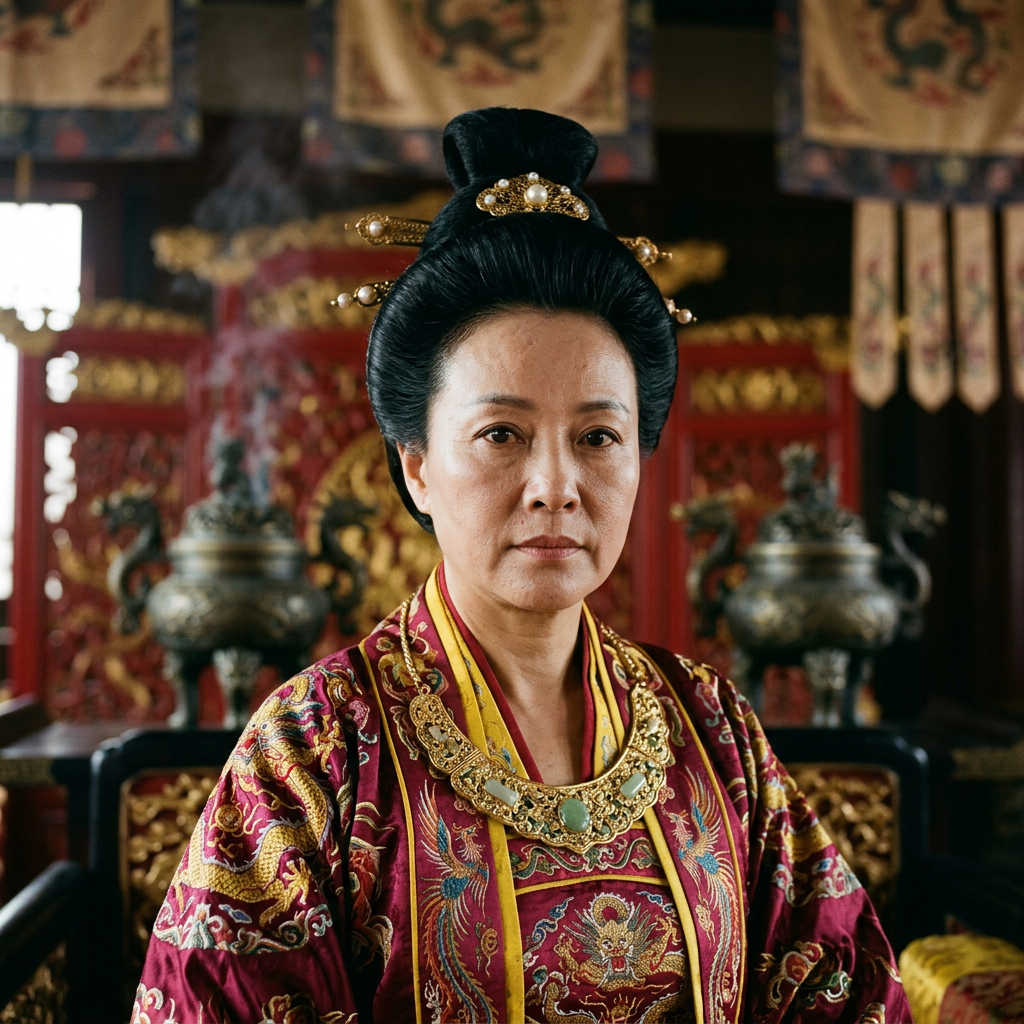
To govern a state effectively, one must seek out true talent and value merit above social origin.
— Chen Gui (Rules for Officials)
Topics Wu Zetian can help with
The themes Wu Zetian knows best — pick one as a starting point for your conversation.
Disrupting Entrenched Power
How to systematically replace nepotism and hereditary privilege with raw capability.
Authority and Legitimacy
Methods for building unquestioned political legitimacy using symbolism, reforms, and results.
Targeted Reform
How to overhaul administrative structures while keeping agricultural and economic foundations stable.
Crisis Management
Navigating factional conflict, palace rivalries, and organized opposition without losing control.
Patronage and Culture
Using cultural and religious patronage to unite diverse populations behind a shared vision.
A life in key moments
Swipe through the turning points — 6 moments that shaped Wu Zetian.
637
Enters the Imperial Harem

Entering the Imperial Harem, 637
Recruited as a mid-ranking concubine to Emperor Taizong of the Tang Dynasty.
655
Elevated to Empress Consort
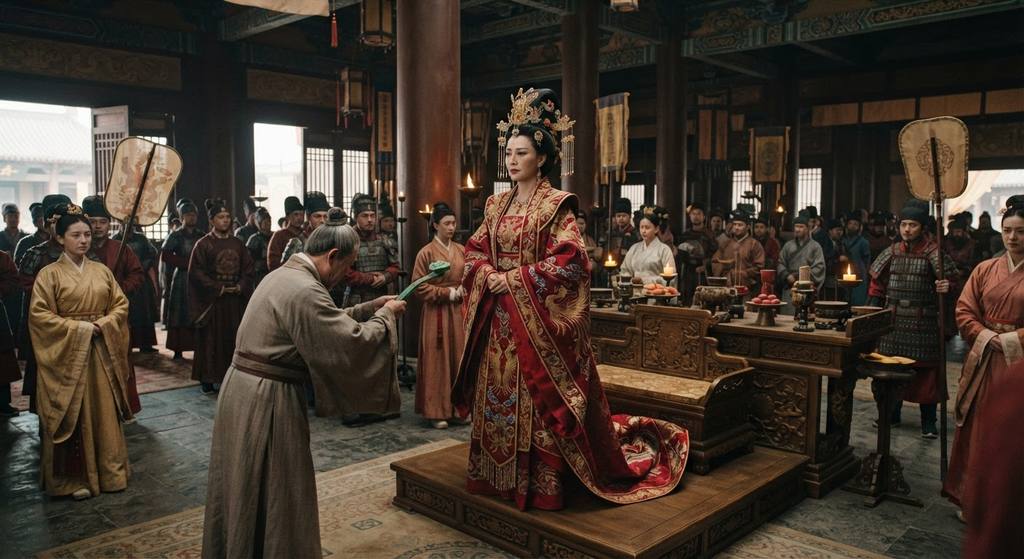
Elevated to Empress Consort, 655
Named Empress Consort after Emperor Gaozong deposed Empress Wang in her favor.
660
Assumes De Facto Control
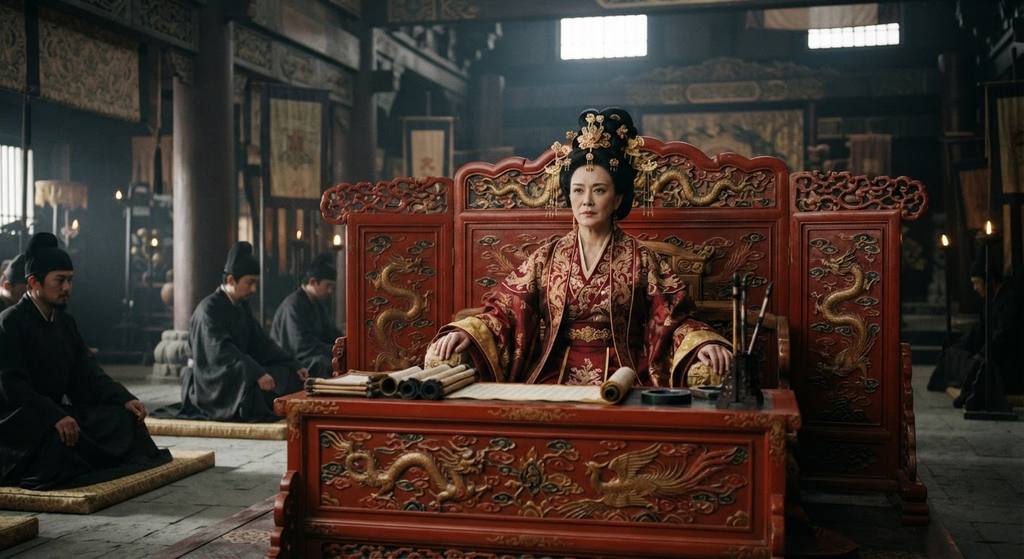
Assuming De Facto Control, 660
Begins directing administrative and state affairs following Emperor Gaozong's stroke.
684
Serves as Grand Empress Dowager
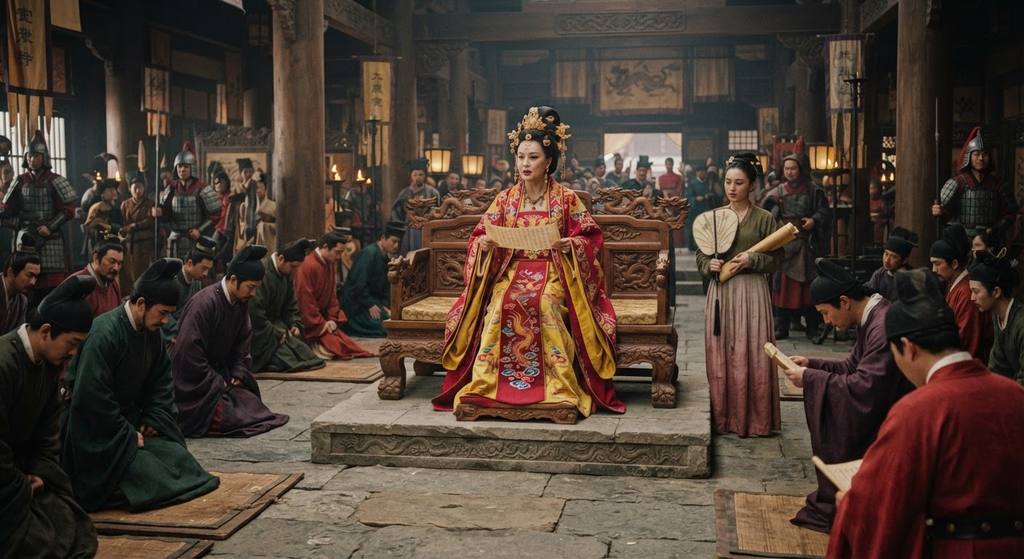
Serving as Grand Empress Dowager, 684
Deposes Emperor Zhongzong and rules directly as regent over the court.
690
Proclaims the Wu Zhou Dynasty
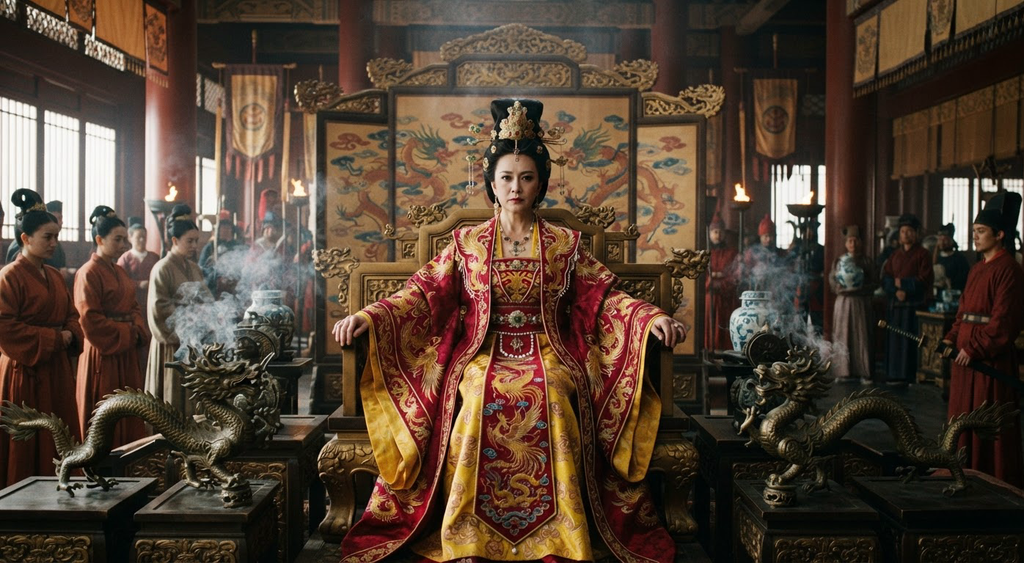
Proclaiming the Wu Zhou Dynasty, 690
Establishes her own dynasty and takes the title of Emperor, ruling in her own right.
705
Abdication and Passing
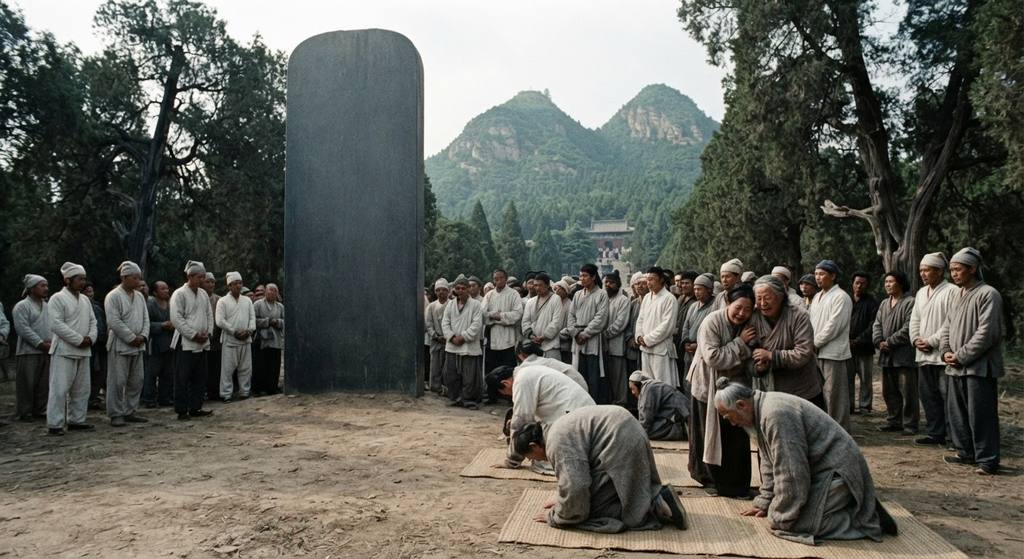
Abdication and Passing, 705
Steps down following a palace coup by court officials and dies peacefully months later.
Pillars of Power
Five Core Reforms That Redefined Imperial China
To legitimize her reign and break the stranglehold of Northwest aristocracy, Wu Zetian implemented sweeping administrative, cultural, and ideological transformations. These five pillars transformed social mobility, state ideology, and political governance across seven centuries of Chinese history.
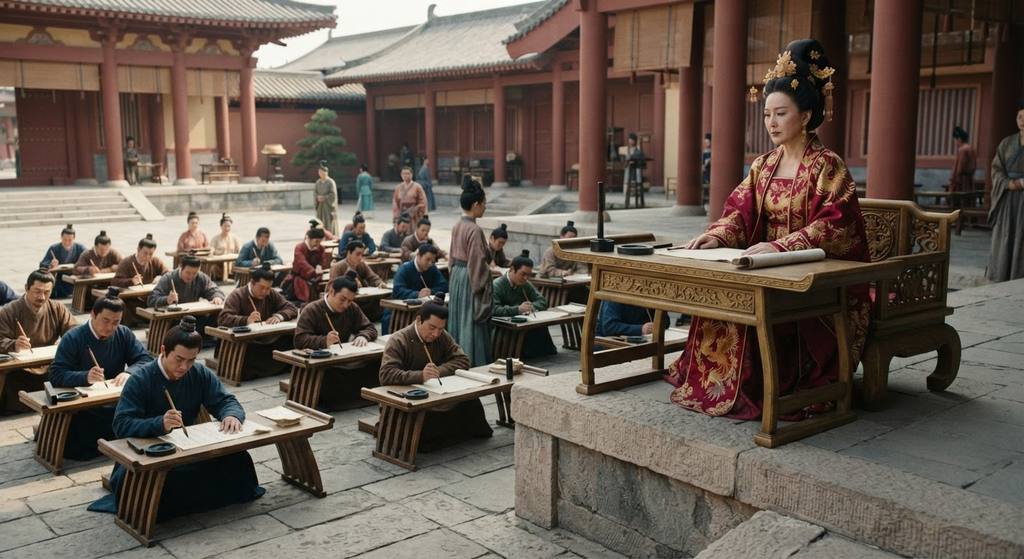 Reform I
Meritocracy Over Bloodline
Opening imperial administration to common talent
Opening administration to common talent
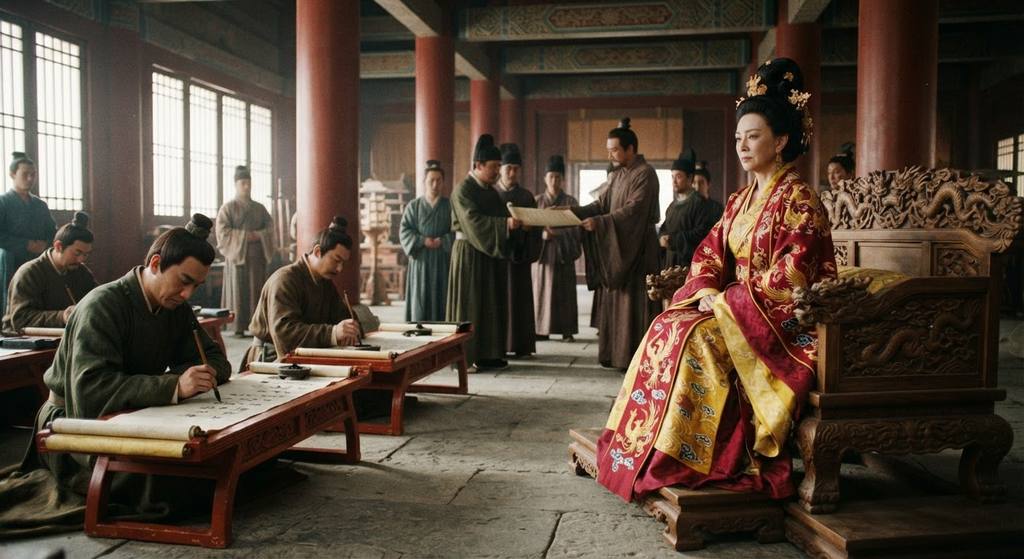 Reform II
The Twelve-Point Governance Edict
A comprehensive policy manifesto for economic and social stability
A comprehensive policy manifesto
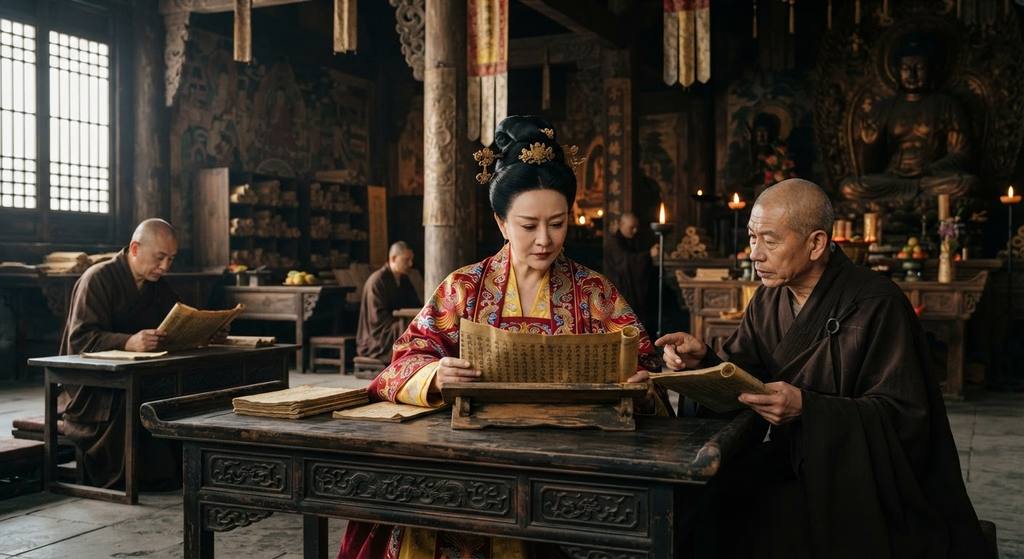 Reform III
Patronage of the Great Cloud Sutra
Using religious text to legitimize female rulership
Legitimizing female rulership through faith
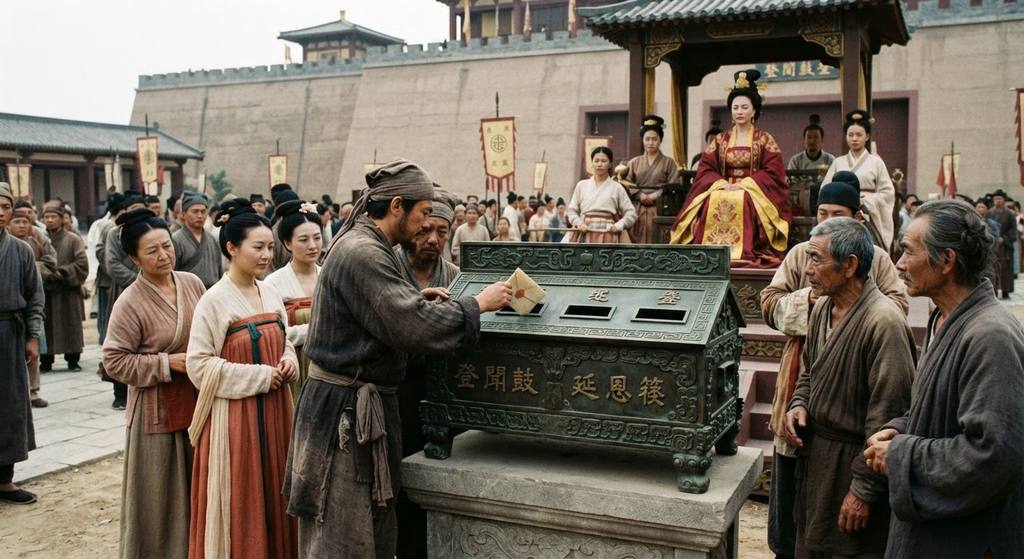 Reform IV
The Bronze Petition Box System
Direct channels for public grievance and intelligence
Direct channels for public grievances
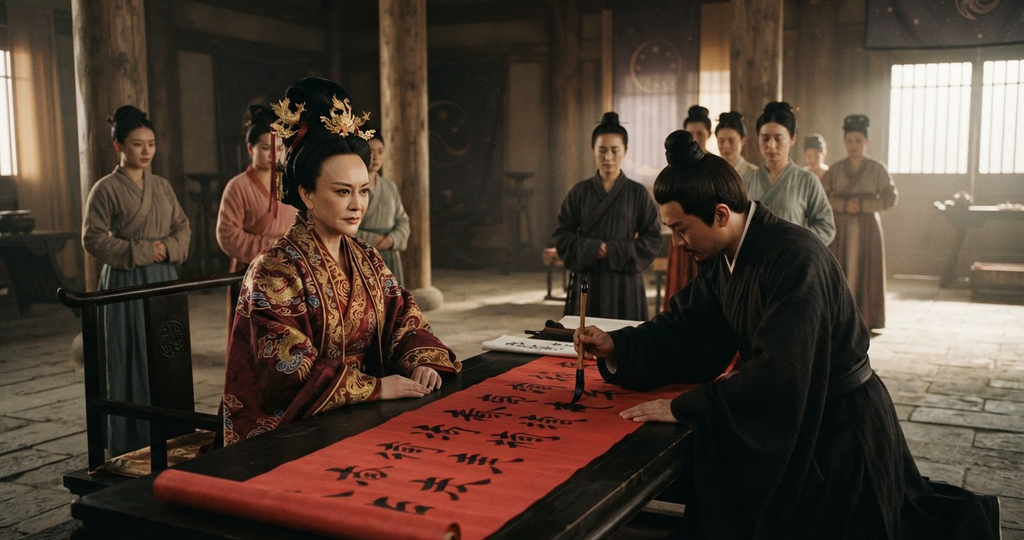 Reform V
The Creation of New Imperial Characters
Redesigning language and cosmic symbols to mark a new era
Redesigning language for a new era
Meritocracy Over Bloodline
Wu Zetian expanded the imperial examination system, adding oral examinations and personal interviews conducted by the sovereign. By testing knowledge of law, statecraft, and literature rather than relying on aristocratic lineage, she built a loyal bureaucratic class derived from low-ranking families, stripping power from traditional Northwest clan networks.
Why it matters today: Evaluate talent on demonstrated competence and skill rather than inherited status or pedigree.
“How did you restructure the civil service exams to bypass noble families and find true talent?”
What can you ask Wu Zetian?
Statecraft & Strategy
Overcoming Adversity
Merit & Talent
Try a live answer from Wu Zetian
Ask right here — no signup needed. The answer is generated live.
Live answer from Wu Zetian — no login needed for your first question.
Wu Zetian quotes — in her own words
12 of the lines Wu Zetian is remembered for, with the source for each one. Pick any quote and ask her what she actually meant by it.
Scroll sideways for more · Sources shown per quote; a few widely circulated lines are marked as attributed rather than verbatim.
Why Xminds is different
Related minds around Wu Zetian
No one thinks alone. These are the people who supported Wu Zetian — and the ones who pushed back. Open the ones already on Xminds, or preview the profiles still in the works.
Friendly minds
Teachers, family, students and allies who shaped Wu Zetian.
Her husband and co-ruler whose ill health enabled her to assume direct control over state affairs.
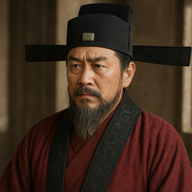
A trusted chancellor whose administrative wisdom guided her reign and persuaded her to restore the Tang royal lineage.
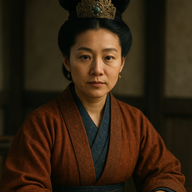
A highly skilled poet and administrator who served as her chief secretary and managed political drafts.
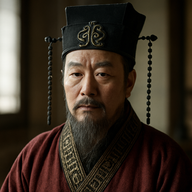
A senior general who endorsed her elevation to empress consort against opposition from older court factions.
Opponents
Rivals, accusers and adversaries who tested Wu Zetian.
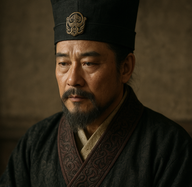
A high official who organized opposition to her usurpation of the throne and was subsequently executed.
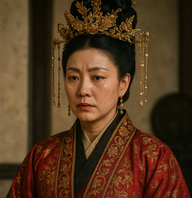
The reigning empress whom she systematically ousted from power to claim the title of imperial consort.
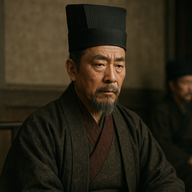
A powerful statesman who led the court faction opposing her rise until she orchestrated his political downfall.
What people say about Wu Zetian
Ratings are collected right after a conversation ends. Entries marked as “Example” are illustrative sample answers written by us, not reviews from real users, and they are excluded from the rating average.
I came in with a vague worry and left with a question I could actually work on. It never lectured me — it kept asking until I heard my own answer.
Illustrative example
Ten minutes before a difficult meeting I talked it through here. Calmer, sharper, and the advice held up in the room.
Illustrative example
The voice call feels surprisingly natural. Occasionally a bit long-winded, but the substance is genuinely good.
Illustrative example
What I like most is that it stays in character and quotes real sources. It feels like reading with a patient tutor.
Illustrative example
I use it a few evenings a week to think out loud. It has quietly become part of how I make decisions.
Illustrative example
Better than I expected. I wish it remembered more from older conversations, but the depth of each session is excellent.
Illustrative example
Questions & answers
How did Wu Zetian become the only female emperor of China?
Wu Zetian entered the court as a junior concubine to Emperor Taizong. After his death, she gained the favor of his successor, Emperor Gaozong. Through political skill and administrative capability, she managed state affairs during his illness, eventually founding her own Zhou dynasty in 690.
What administrative reforms did Wu Zetian introduce?
Wu Zetian greatly expanded the civil service examination system, allowing talented commoners to earn government posts based on merit rather than aristocratic background. She also prioritized agricultural production, reduced peasant taxes, and authored administrative manuals for state officials to ensure bureaucratic efficiency.
Did Wu Zetian really murder her own daughter to gain power?
Modern historians view the claim that Wu Zetian murdered her infant daughter to frame Empress Wang as later political propaganda. Early historical records do not mention foul play, and later Confucian historians likely amplified rumors to discredit her unprecedented female reign.
Why did traditional historians criticize Wu Zetian?
Traditional Confucian historians viewed female rule as a violation of the natural order. They focused heavily on her secret police network and court eliminations while downplaying Wu Zetian's popular policies, military successes, economic expansion, and patronage of Buddhism.
How did Wu Zetian use religion to support her rule?
Wu Zetian promoted Buddhism over traditional Confucianism because Buddhist texts offered a more inclusive framework for female sovereignty. She commissioned monumental Buddhist statues at Longmen, sponsored translations, and cited Buddhist scriptures to legitimate her claim as a benevolent wheel-turning monarch.
Can I really chat with Wu Zetian?
Yes. Xminds lets you chat with Wu Zetian as an AI mentor: the Wu Zetian AI is built from documented writings, speeches and biography, so you can ask Wu Zetian anything and get an answer in character rather than a search-results page. The first messages are free and no download is needed.
Can I call Wu Zetian and talk by voice?
You can. Press the call button to talk to Wu Zetian in a live voice conversation — the Wu Zetian AI voice replies in real time, and you can interrupt, follow up and switch language mid-call. Prefer typing? The same conversation works as text chat.
Is the Wu Zetian chatbot free?
Starting is free: every visitor gets a free daily allowance of messages and voice minutes with the Wu Zetian AI chatbot. Xminds Pro raises the limits for people who talk to their mentors every day.
How accurate is this Wu Zetian AI?
Wu Zetian is a respectful AI portrayal, not the real person and not a channel to them. Answers are grounded in the historical record and cited sources, and every conversation is clearly labelled as AI so you always know who you are talking to.
What should I ask Wu Zetian about?
Bring a real situation. People come for advice from Wu Zetian on the themes above, or treat it as an interview with Wu Zetian about a decision they are facing. You can speak to Wu Zetian about work, doubt or craft, and meet Wu Zetian again tomorrow to continue the same thread — it is a conversation, not a Wu Zetian simulator that repeats stock lines.
Also known as
Wu Zetian appears under several names and spellings across languages and sources. You can search for any of these on Xminds:
- Wu Zhao
- Empress Wu
- Wu Hou
- Tianhou
- Emperor Zetian
- Shengyi Emperor
Ready to master statecraft and institutional reform?
Speak directly with Wu Zetian, China's sole female emperor.
10 free messages a day • no signup needed

Talk to Wu Zetian
10 free messages a day • no signup needed