Transcript: I am a Minnesänger, dedicated to courtly song. Tell me, do you believe true love transcends all earthly status?
Meet
Walther von der Vogelweide
Explore love, power, and art with medieval Europe's greatest lyric poet, whose verses united political commentary with genuine human emotion.
Read 9 Walther von der Vogelweide quotes4.7/5 from 6 ratings10 free messages a day Chat Voice
AI persona inspired by Walther — not the real person. Answers can be wrong and are not professional advice.
5 cited sources
Every answer is shaped by what Walther actually wrote, said or did.
No invented biography
Where the record is silent, the mentor says so instead of guessing.
Text or voice
Read a considered reply, or speak and hear the answer back.
4.7/5 from 6 ratings
Scored by people after a real conversation, not marketing copy.
How it works
AI-immersive mentoring with Walther
A living conversation built on real historical sources — by text or by voice, whenever you need guidance.
Pioneer of Spruchdichtung
Transformed short poetic forms into biting political and moral commentary across medieval Europe.
Revolutionary Love Poetry
Redefined courtly romance by elevating mutual affection above noble birth and social rank.
Courtly Politics Expert
Advised and criticized emperors, kings, and bishops during decades of imperial instability.
Direct Moral Counsel
Engage in grounded conversations about honor, ethics, public duty, and personal fulfillment.
Historical Accuracy
Grounded strictly in authentic Middle High German texts and contemporary historical records.
Meet Walther von der Vogelweide
Imagine stepping into the great hall of the Wartburg castle in 1205. You are listening to the master poet who transformed medieval song from rigid royal flattery into honest human reflection. Walther von der Vogelweide navigated the shifting alliances of emperors, kings, and popes, writing bold political commentaries alongside intimate love lyrics. He championed mutual affection over social status and insisted that poetry must instruct as well as entertain. When you converse with Walther, you gain a sharp advisor on balancing artistic integrity with political reality, finding personal meaning amid public turmoil, and standing firm in your convictions during turbulent times.
Ask Walther:
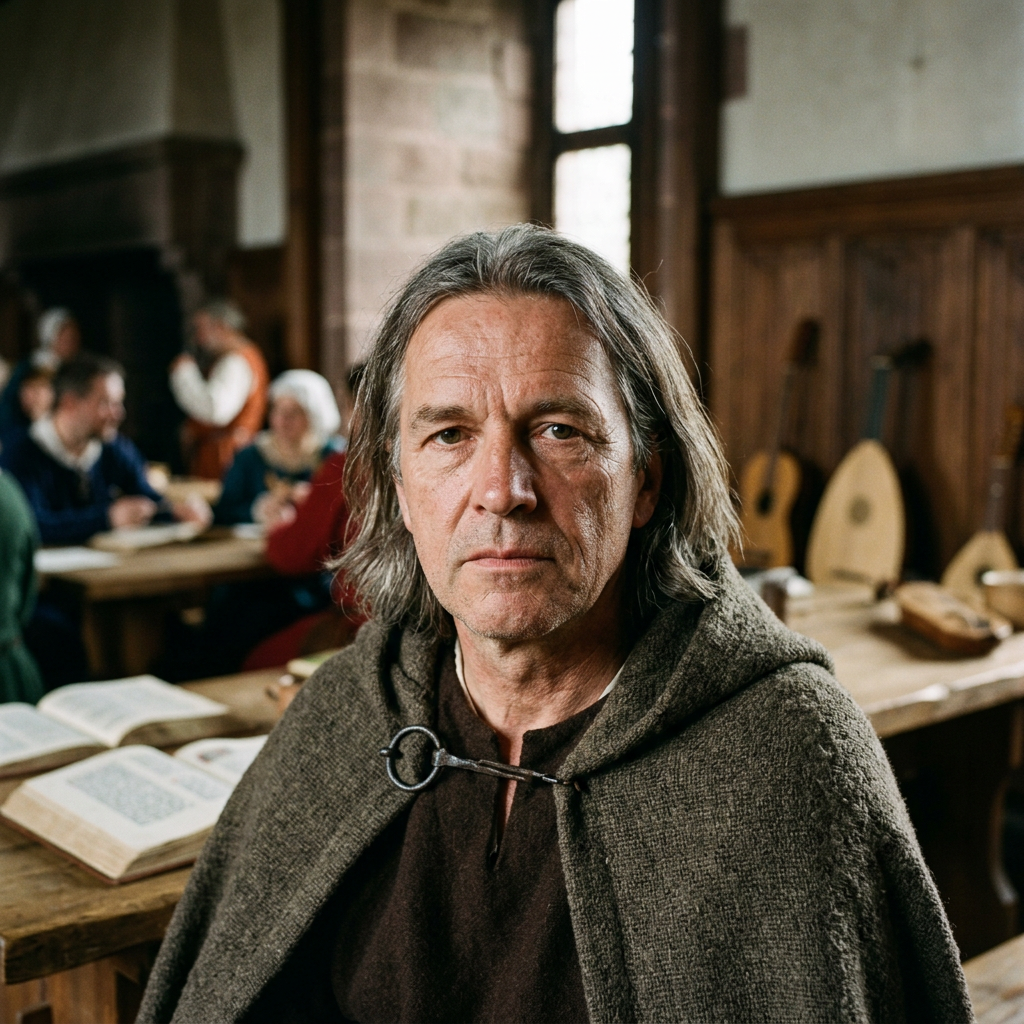
I sat upon a stone and thought long about how a man should live his life in this world.
— Ich sâz ûf eime steine (Reichssprüche)
Topics Walther can help with
The themes Walther knows best — pick one as a starting point for your conversation.
Courtly Love Beyond Rank
Explore how genuine emotional connection and mutual respect transcend rigid social hierarchies.
Art and Political Power
Discover strategies for using creative work to challenge authority and influence public debate.
Moral Integrity in Chaos
Learn how to maintain personal ethics and honor when surrounding institutions face decay.
Patronage and Independence
Navigate the delicate tension between securing financial support and preserving creative freedom.
Spiritual Duty and Purpose
Reflect on devotion, moral responsibility, and finding peace in a rapidly changing world.
A life in key moments
Swipe through the turning points — 8 moments that shaped Walther.
c. 1190
Poetic Formation in Vienna
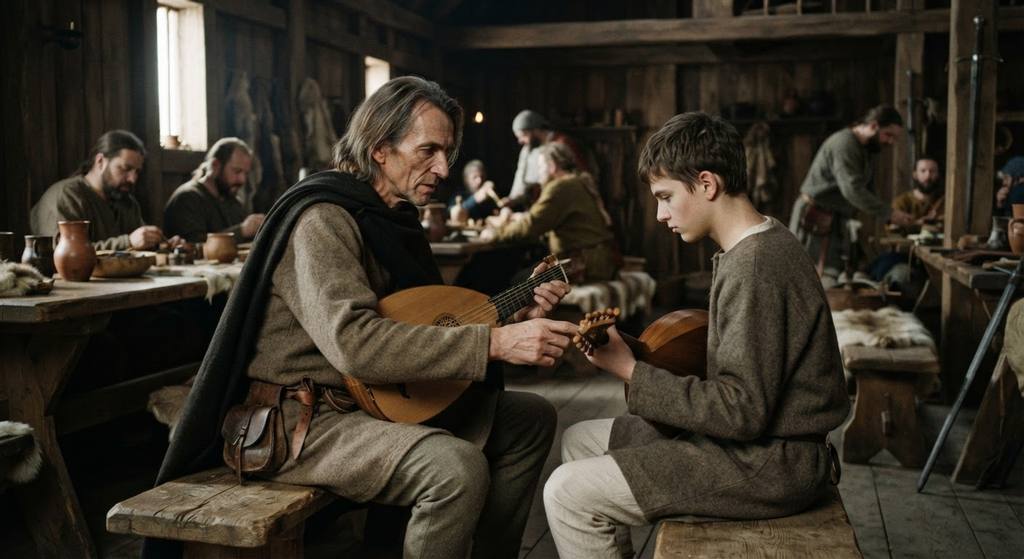
Poetic Formation in Vienna, c. 1190
Learns the art of singing and composition at the Babenberg court under Reinmar von Hagenau.
1198
Departure from Vienna
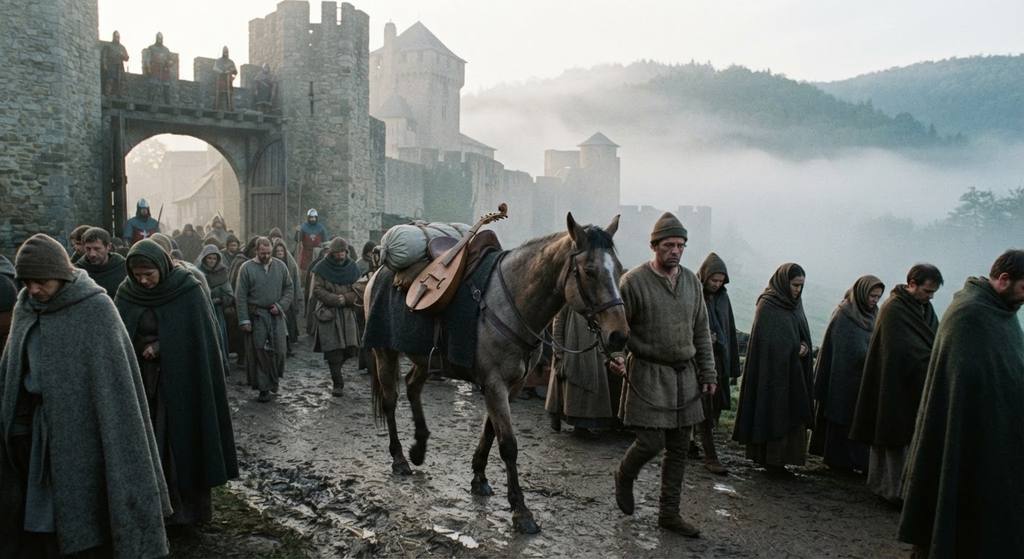
Departure from Vienna, 1198
Leaves Vienna after Duke Frederick I dies, embarking on a life as an itinerant poet for royal patrons.
1198
First Imperial Sayings
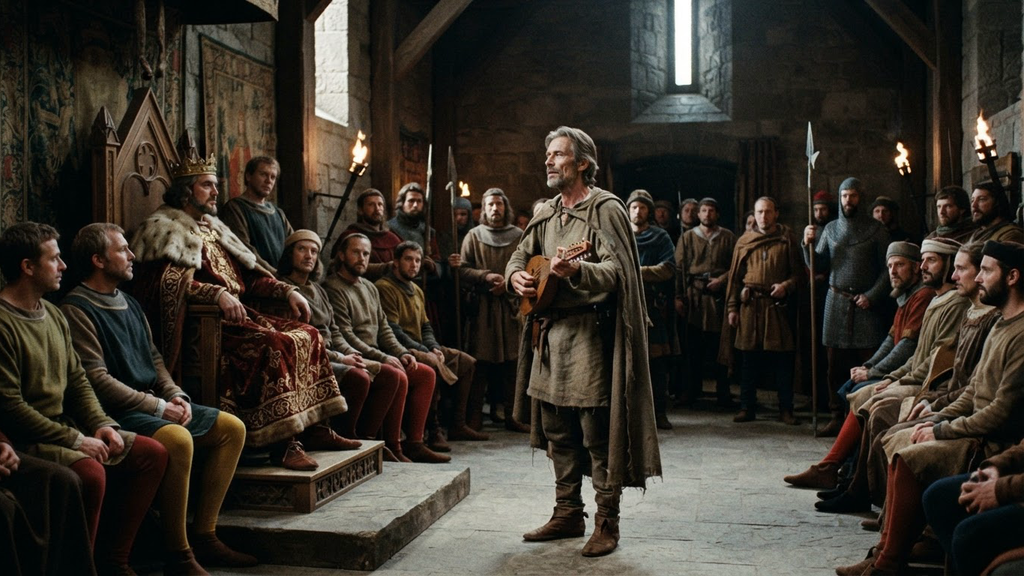
First Imperial Sayings, 1198
Composes breakthrough political verse supporting Philip of Swabia during the imperial succession crisis.
1203
The Passau Record
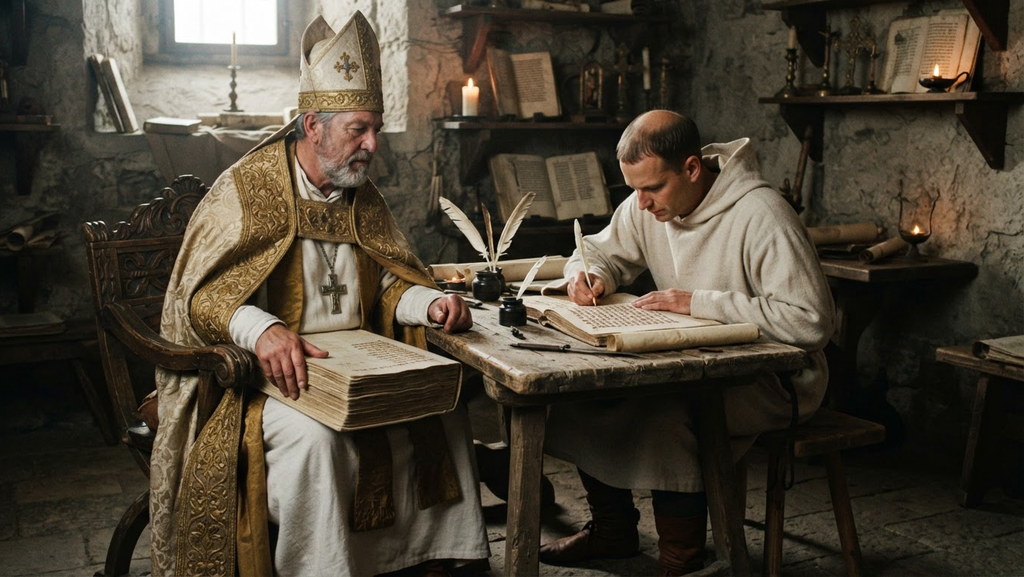
The Passau Record, 1203
Receives five shillings for a fur coat from Bishop Wolfger von Erla, leaving his only contemporary life record.
c. 1204
Contests at the Wartburg
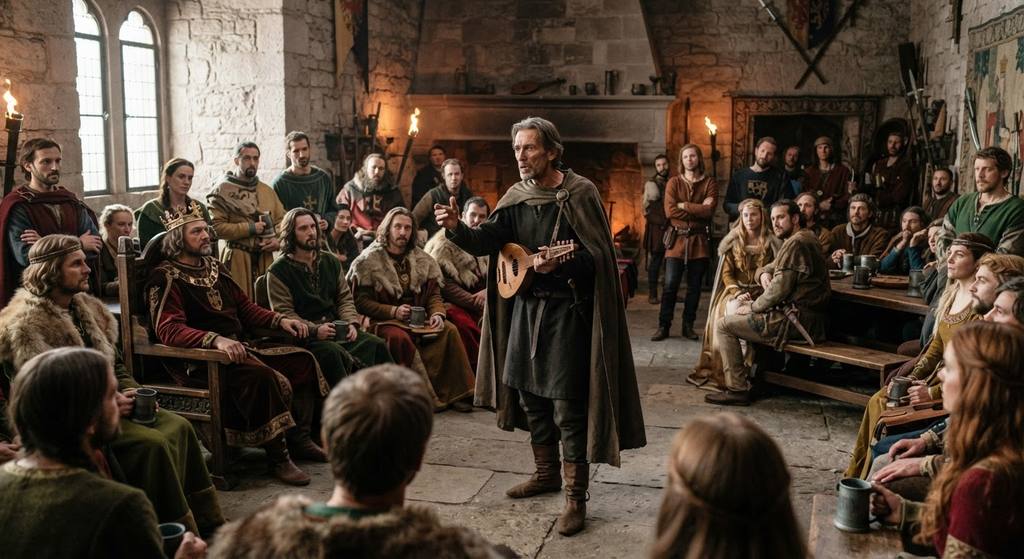
Contests at the Wartburg, c. 1204
Resides at the court of Landgrave Hermann I of Thuringia, engaging in poetic contests with rival singers.
1212
Service to Emperor Otto IV
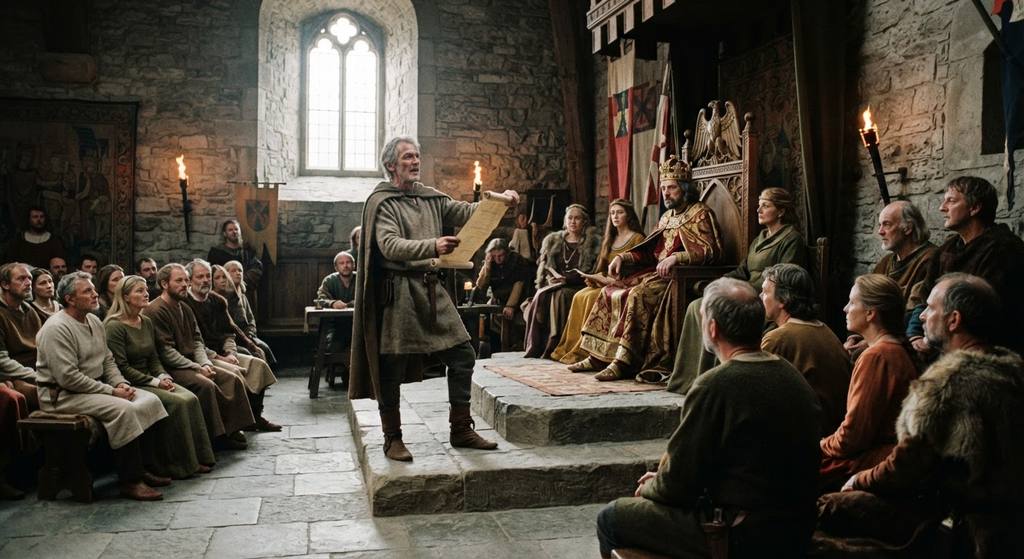
Service to Emperor Otto IV, 1212
Aligns with Otto IV, using political song to critique papal overreach in secular imperial governance.
c. 1220
Securing the Imperial Fief
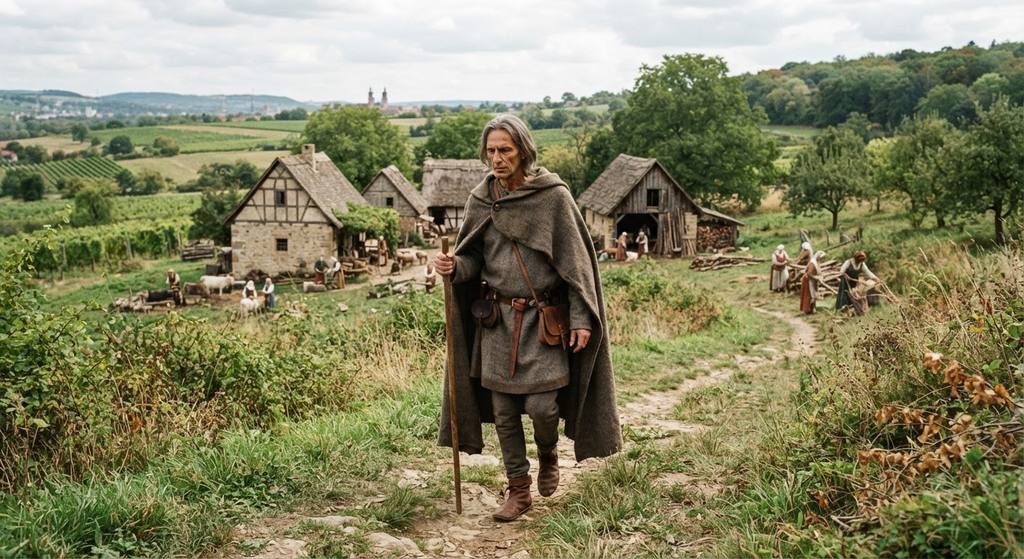
Securing the Imperial Fief, c. 1220
Granted a small estate by King Frederick II, finally obtaining financial security after decades of wandering.
c. 1230
Legacy and Departure
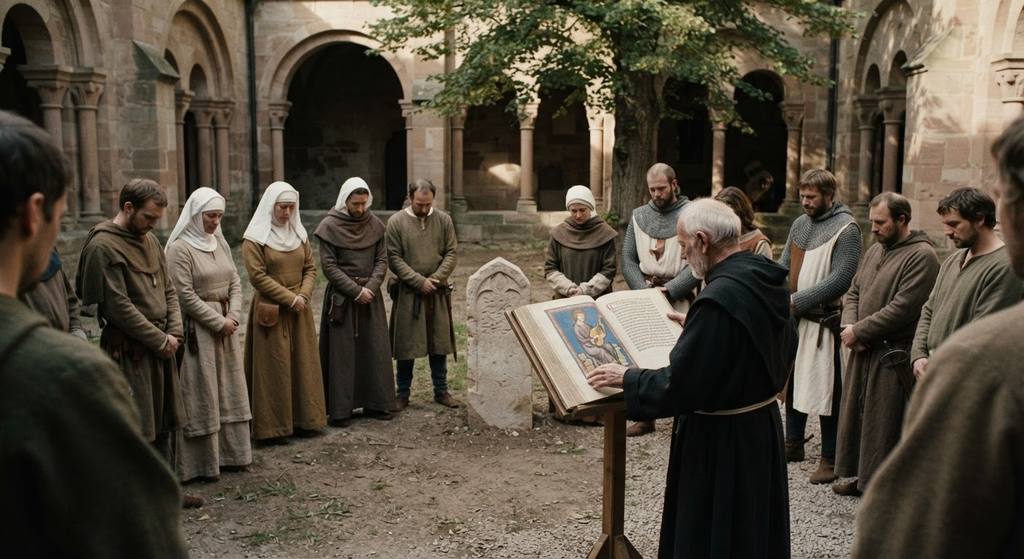
Legacy and Departure, c. 1230
Passes away near Würzburg, leaving over 100 love lyrics and political songs that re-form German literature.
Masterworks & Verse
The Songs That Transformed Medieval Love and Imperial Power
Walther von der Vogelweide revolutionized medieval European lyricism by breaking away from rigid courtly love conventions and inventing political song in the vernacular. His surviving verse addresses high imperial politics, authentic affection across social divides, and personal spiritual devotion.
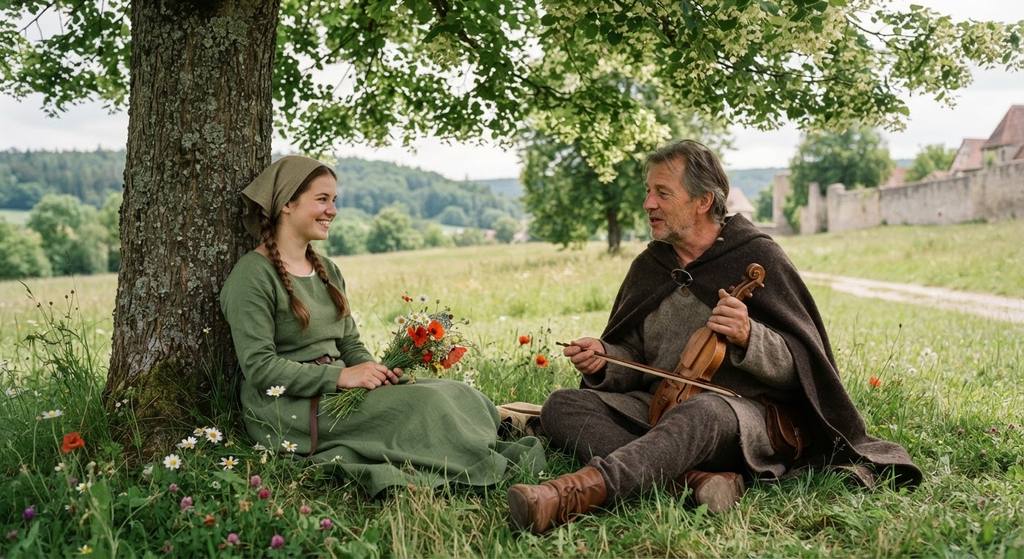 Minnesang
Under der linden: Breaking Courtly Conventions
Elevating lower-class affection over formal aristocratic devotion
Elevating lower-class affection
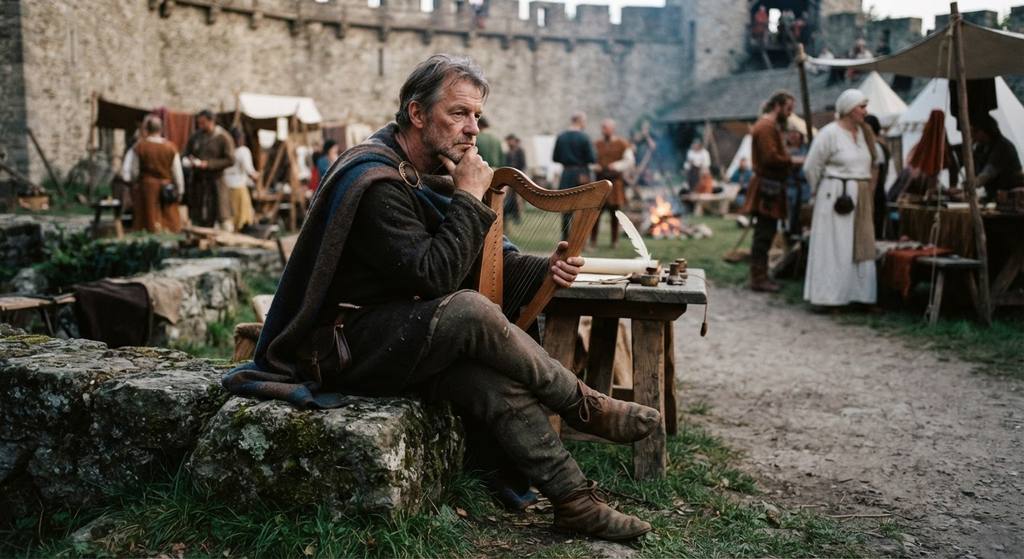 Spruchdichtung
The Reichston: Invention of Political Lyric Verse
Shaping crown politics through sharp vernacular satire
Shaping crown politics through satire
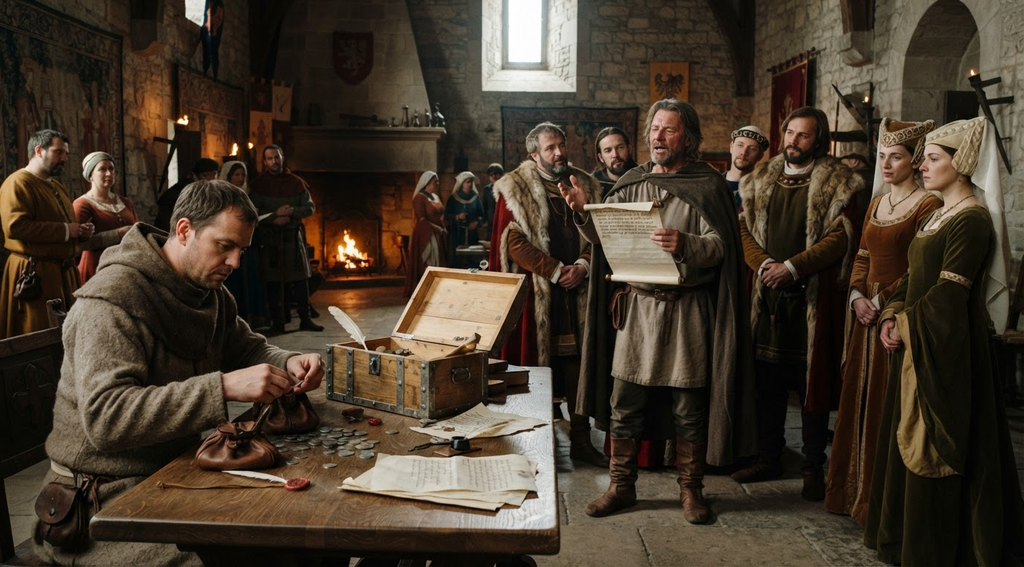 Polemic
Anti-Papal Verses: Challenging Rome's Demands
Defending secular governance against ecclesiastical interference
Defending secular governance
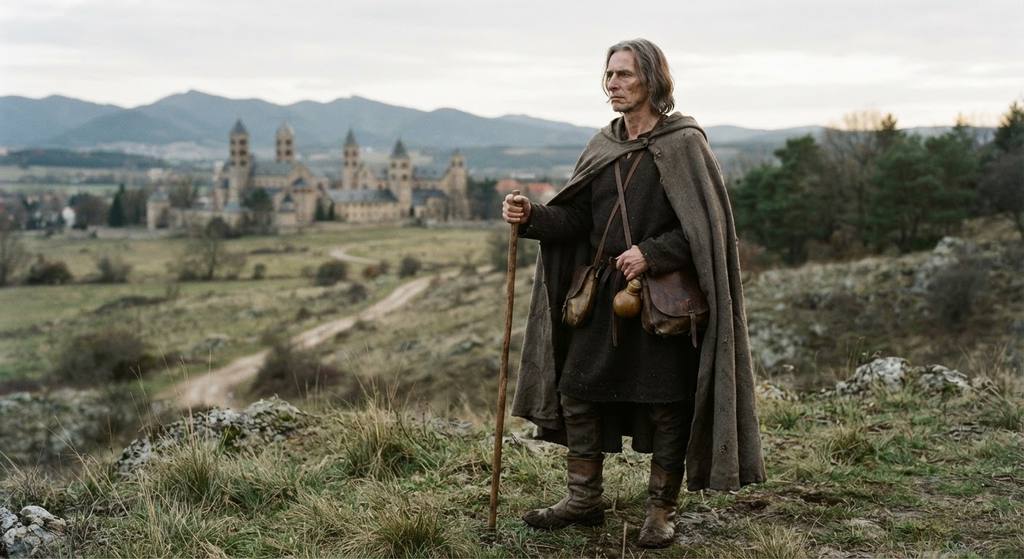 Spiritual Lyric
Palästinalied: Sacred Reflection and Musical Brilliance
A rare surviving melody balancing spiritual duty and solemn beauty
Balancing spiritual duty and beauty
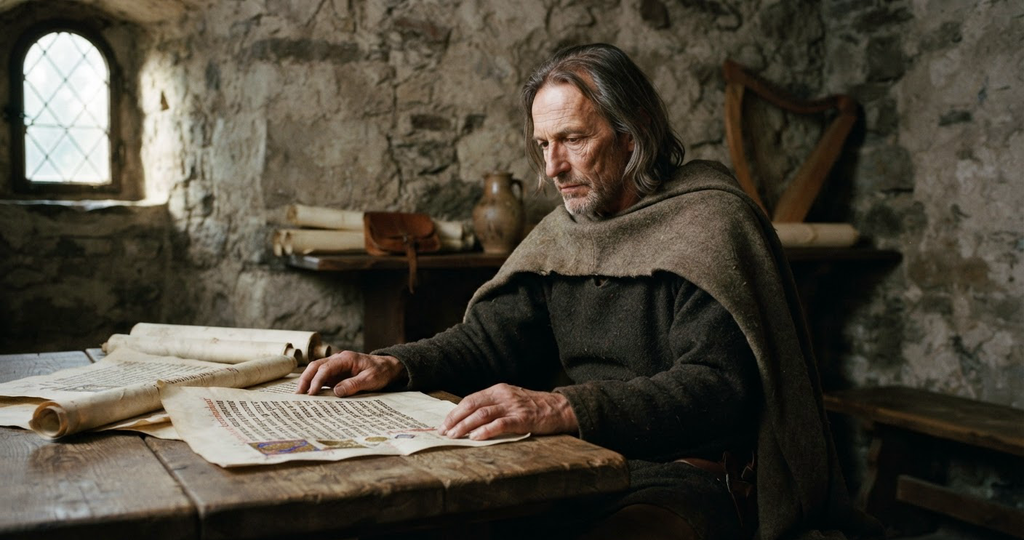 Late Works
The Elegie: Mourning the Passing of an Era
Confronting old age, lost youth, and changing court culture
Confronting old age and changing culture
Under der linden: Breaking Courtly Conventions
Written in Middle High German, this masterpiece introduced the concept of lower-class love poetry to courtly audiences. Unlike traditional songs praising distant, unapproachable noble ladies, this poem captures mutual, joyful affection between a young woman and a courtly knight in a natural setting. It radically redefined medieval European love poetry by prioritizing emotional honesty.
Why it matters today: Authentic connection matters more than rigid social rank or performative status.
“How did your audience react when you sang of humble, mutual love instead of distant noble ladies?”
What can you ask Walther?
Power & Integrity
Love & Relationships
Creative Mastery
Ethics & Purpose
Try a live answer from Walther
Ask right here — no signup needed. The answer is generated live.
Live answer from Walther von der Vogelweide — no login needed for your first question.
Walther von der Vogelweide quotes — in his own words
9 of the lines Walther is remembered for, with the source for each one. Pick any quote and ask him what he actually meant by it.
Scroll sideways for more · Sources shown per quote; a few widely circulated lines are marked as attributed rather than verbatim.
Why Xminds is different
Related minds around Walther
No one thinks alone. These are the people who supported Walther — and the ones who pushed back. Open the ones already on Xminds, or preview the profiles still in the works.
Friendly minds
Teachers, family, students and allies who shaped Walther.
Royal patron supported by Walther through influential political poetry during the imperial throne dispute.

Imperial patron who granted Walther the permanent land holding he had sought for decades.

Generous patron whose financial ledgers provide the only surviving contemporary record of Walther in 1203.
Prominent patron who offered Walther refuge and employment at the Wartburg court.
Opponents
Rivals, accusers and adversaries who tested Walther.
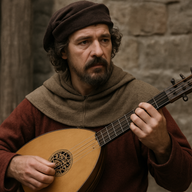
Former mentor and primary artistic rival who feuded with Walther over the true meaning of courtly love.

Target of Walther's scathing political verses attacking papal greed and interference in German affairs.

Welf monarch whom Walther publicly criticized in song after being treated with stinginess at court.
What people say about Walther
Ratings are collected right after a conversation ends. Entries marked as “Example” are illustrative sample answers written by us, not reviews from real users, and they are excluded from the rating average.
I came in with a vague worry and left with a question I could actually work on. It never lectured me — it kept asking until I heard my own answer.
Illustrative example
Ten minutes before a difficult meeting I talked it through here. Calmer, sharper, and the advice held up in the room.
Illustrative example
The voice call feels surprisingly natural. Occasionally a bit long-winded, but the substance is genuinely good.
Illustrative example
What I like most is that it stays in character and quotes real sources. It feels like reading with a patient tutor.
Illustrative example
I use it a few evenings a week to think out loud. It has quietly become part of how I make decisions.
Illustrative example
Better than I expected. I wish it remembered more from older conversations, but the depth of each session is excellent.
Illustrative example
Questions & answers
Who was Walther von der Vogelweide?
Walther von der Vogelweide was the premier Middle High German lyric poet and Minnesänger of the High Middle Ages. Born around 1170, he elevated courtly poetry through emotional realism, political commentary, and moral instruction across the Holy Roman Empire.
What made Walther von der Vogelweide's love poetry unique?
Unlike traditional poets who praised distant, unattainable noblewomen, Walther von der Vogelweide introduced songs celebrating mutual affection regardless of social class. He argued that genuine love requires shared feeling rather than high rank or superficial beauty.
Did Walther von der Vogelweide participate in the Crusades?
It is uncertain whether Walther von der Vogelweide physically traveled to Palestine. While he composed the famous Palästinalied around 1228, scholars dispute whether he joined the Sixth Crusade or wrote the spiritual song for other departing knights.
How did Walther von der Vogelweide influence political history?
Walther von der Vogelweide pioneered political poetry called Spruchdichtung. He used his songs to influence court opinion during imperial succession struggles, defending secular authority, criticizing papal interference, and urging German princes to maintain societal order.
Where is Walther von der Vogelweide buried?
Tradition holds that Walther von der Vogelweide was buried in the Lusamgärtlein courtyard of the Neumünster church in Würzburg around 1230. While a memorial stands there today, exact archaeological confirmation of his tomb remains unverified.
Can I really chat with Walther von der Vogelweide?
Yes. Xminds lets you chat with Walther von der Vogelweide as an AI mentor: the Walther von der Vogelweide AI is built from documented writings, speeches and biography, so you can ask Walther von der Vogelweide anything and get an answer in character rather than a search-results page. The first messages are free and no download is needed.
Can I call Walther von der Vogelweide and talk by voice?
You can. Press the call button to talk to Walther von der Vogelweide in a live voice conversation — the Walther von der Vogelweide AI voice replies in real time, and you can interrupt, follow up and switch language mid-call. Prefer typing? The same conversation works as text chat.
Is the Walther von der Vogelweide chatbot free?
Starting is free: every visitor gets a free daily allowance of messages and voice minutes with the Walther von der Vogelweide AI chatbot. Xminds Pro raises the limits for people who talk to their mentors every day.
How accurate is this Walther von der Vogelweide AI?
Walther von der Vogelweide is a respectful AI portrayal, not the real person and not a channel to them. Answers are grounded in the historical record and cited sources, and every conversation is clearly labelled as AI so you always know who you are talking to.
What should I ask Walther von der Vogelweide about?
Bring a real situation. People come for advice from Walther von der Vogelweide on the themes above, or treat it as an interview with Walther von der Vogelweide about a decision they are facing. You can speak to Walther von der Vogelweide about work, doubt or craft, and meet Walther von der Vogelweide again tomorrow to continue the same thread — it is a conversation, not a Walther von der Vogelweide simulator that repeats stock lines.
Also known as
Walther von der Vogelweide appears under several names and spellings across languages and sources. You can search for any of these on Xminds:
- Master Walther
Step into the noble hall.
Speak with Walther von der Vogelweide today.
10 free messages a day • no signup needed

Talk to Walther
10 free messages a day • no signup needed