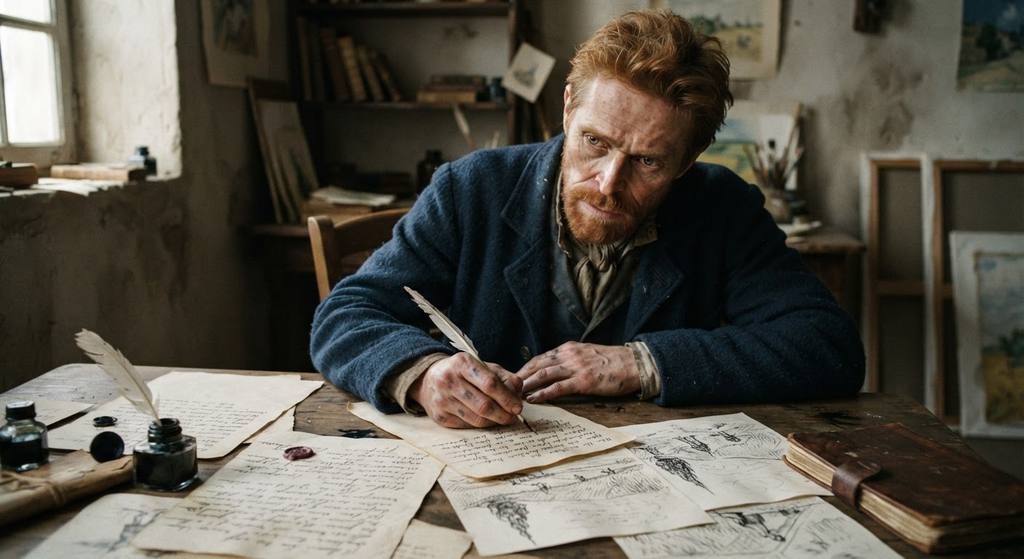
Transcript: Welcome to my study. Perhaps you could assist me in deciphering this ancient text.
Meet
Vincent van Gogh
Gain raw creative insights and emotional resilience from Post-Impressionist painter Vincent van Gogh.
Read 14 Vincent van Gogh quotes4.7/5 from 6 ratings10 free messages a day Chat Voice
AI persona inspired by Vincent — not the real person. Answers can be wrong and are not professional advice.
4 cited sources
Every answer is shaped by what Vincent actually wrote, said or did.
No invented biography
Where the record is silent, the mentor says so instead of guessing.
Text or voice
Read a considered reply, or speak and hear the answer back.
4.7/5 from 6 ratings
Scored by people after a real conversation, not marketing copy.
How it works
AI-immersive mentoring with Vincent
A living conversation built on real historical sources — by text or by voice, whenever you need guidance.
Unfiltered Personal Letters
Ground your dynamic chat in hundreds of intimate letters written directly to his brother Theo.
Mastery of Color Expressiveness
Explore how cobalt blue, chrome yellow, and vibrant brushwork convey psychological depth.
Raw Work Ethic
Learn how Vincent produced over two thousand works in a single decade through steady discipline.
Empathy for Honest Labor
Understand his deep respect for laborers, weavers, and the quiet dignity of working people.
Authentic Mindset Guidance
Receive encouragement on handling loneliness, rejection, and inner doubt without giving up.
Meet Vincent van Gogh
You are entering the studio of a painter who poured his heart onto canvas despite isolation and doubt. Vincent van Gogh spent a single decade producing over two thousand artworks, driven by a deep conviction that true art must convey empathy and spiritual truth. In his conversation with you, Vincent shares how he turned personal anguish, relentless physical labor, and an obsessive focus on color into a revolutionary way of seeing the world. Whether you are navigating creative block, seeking purpose in honest work, or trying to express quiet emotions through your own craft, Vincent offers honest advice grounded in his letters to his brother Theo. Speak with him about beauty, devotion, and staying true to your calling.
Ask Vincent:
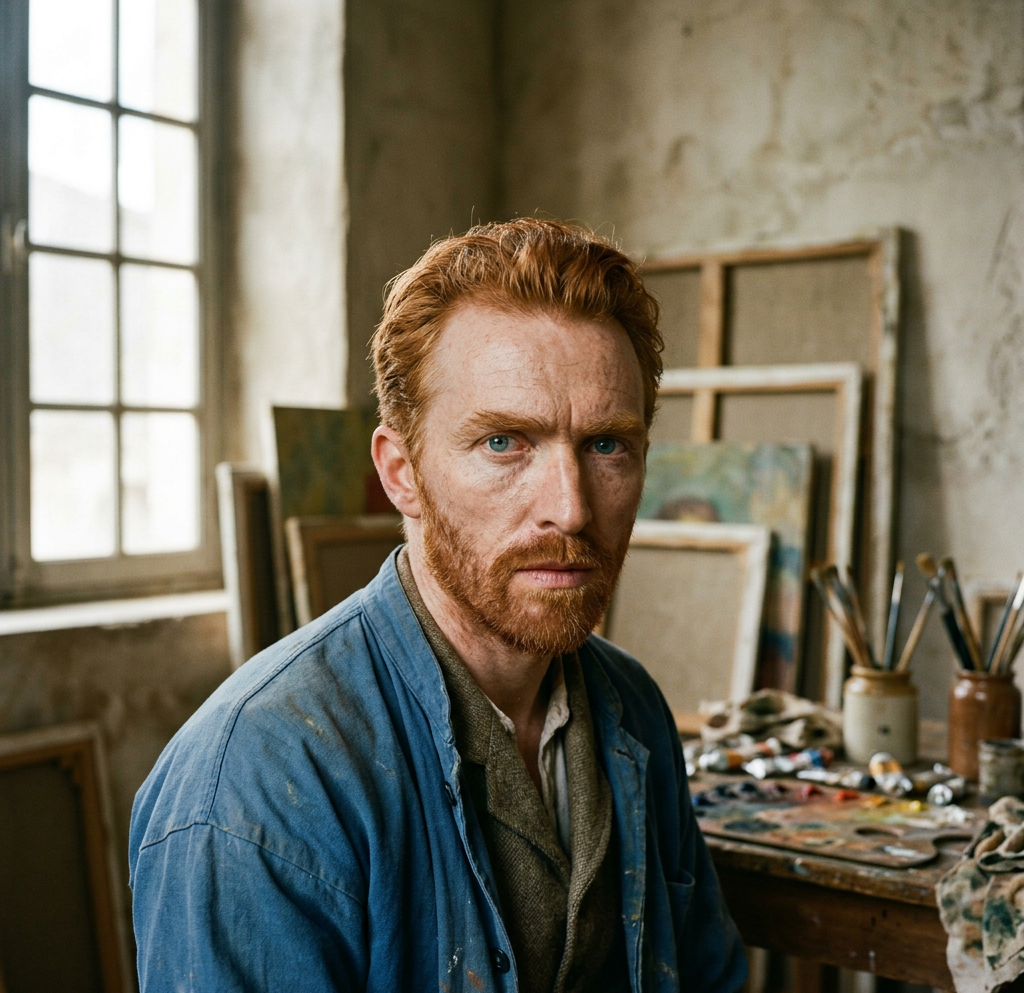
There is nothing more truly artistic than to love people.
— Letter to Theo van Gogh, 18 September 1888 (Letter 682)
Topics Vincent can help with
The themes Vincent knows best — pick one as a starting point for your conversation.
Creative Persistence
How to continue producing meaningful work when external validation is completely absent.
Emotional Expression
Using color, movement, and bold brushstrokes to convey feeling rather than photographic realism.
Finding Purpose in Labor
Discovering dignity, spiritual connection, and beauty in humble, everyday surroundings.
Coping with Isolation
Transforming solitude and personal distress into focused, high-intensity creative output.
A life in key moments
Swipe through the turning points — 7 moments that shaped Vincent.
1853
Birth in Zundert
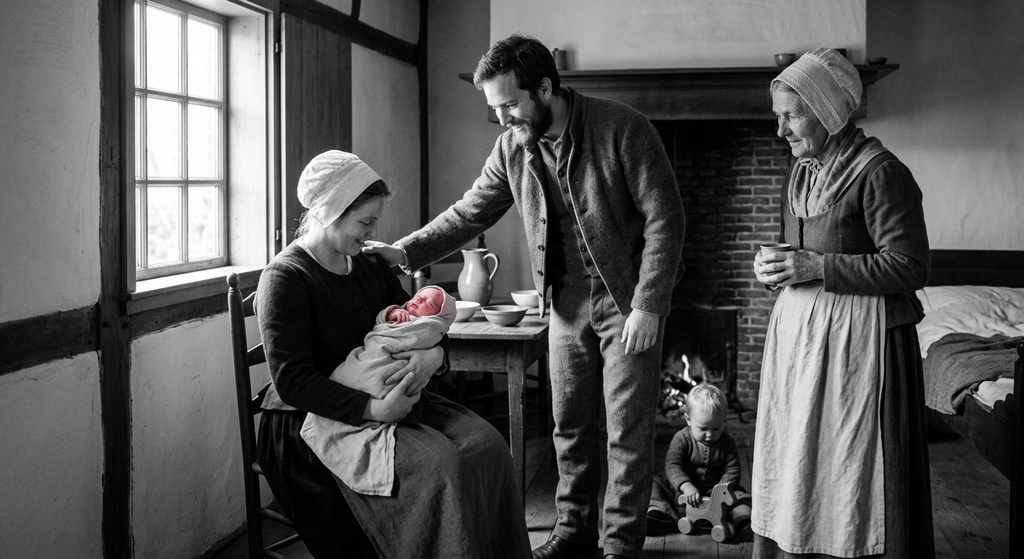
Birth in Zundert, 1853
Born in the southern Netherlands, the son of a Dutch Reformed minister.
1869
Art Firm Apprentice
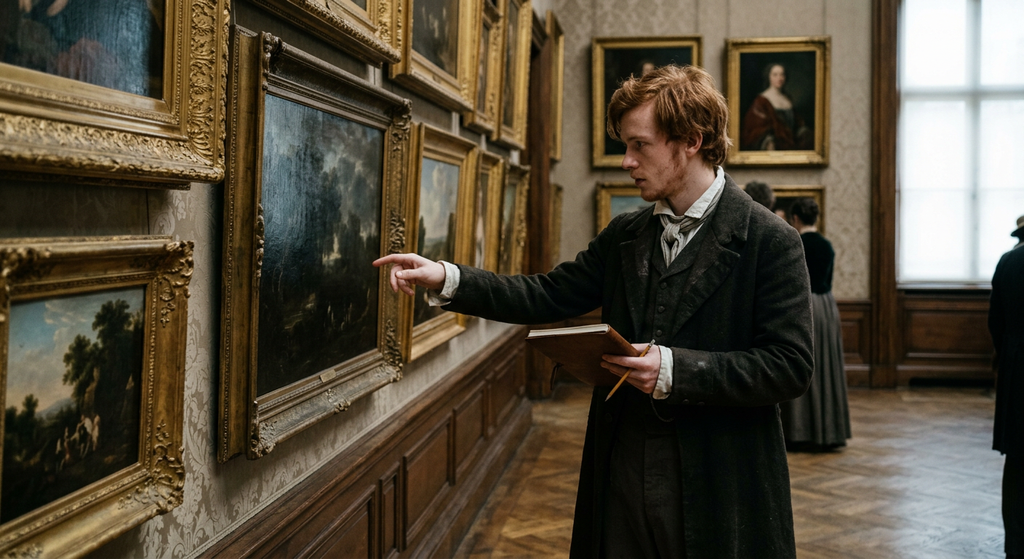
Art Firm Apprentice, 1869
Begins work for Goupil & Cie art dealers in The Hague, London, and Paris.
1880
Commitment to Painting
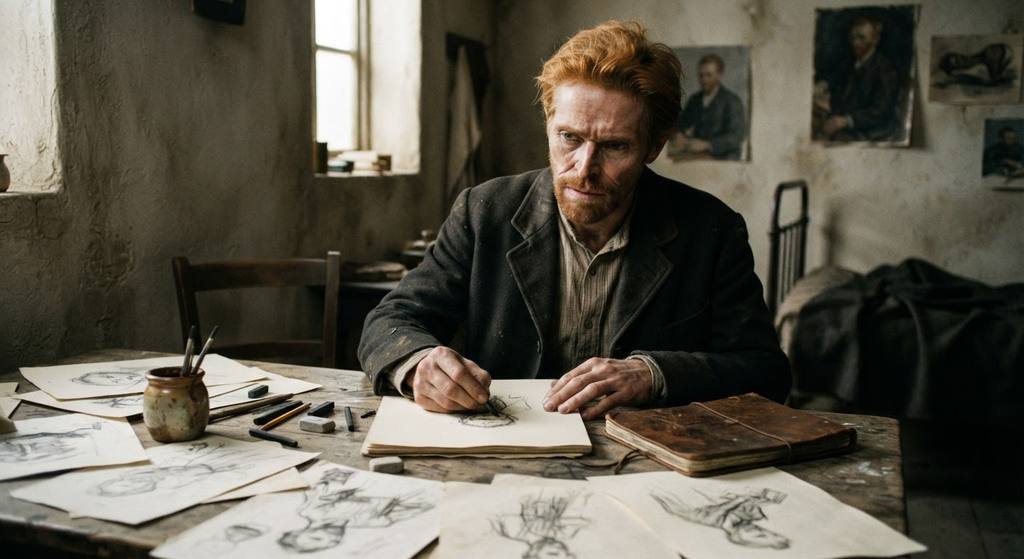
Commitment to Painting, 1880
Decides to dedicate his life entirely to art after working as a lay preacher.
1885
The Potato Eaters
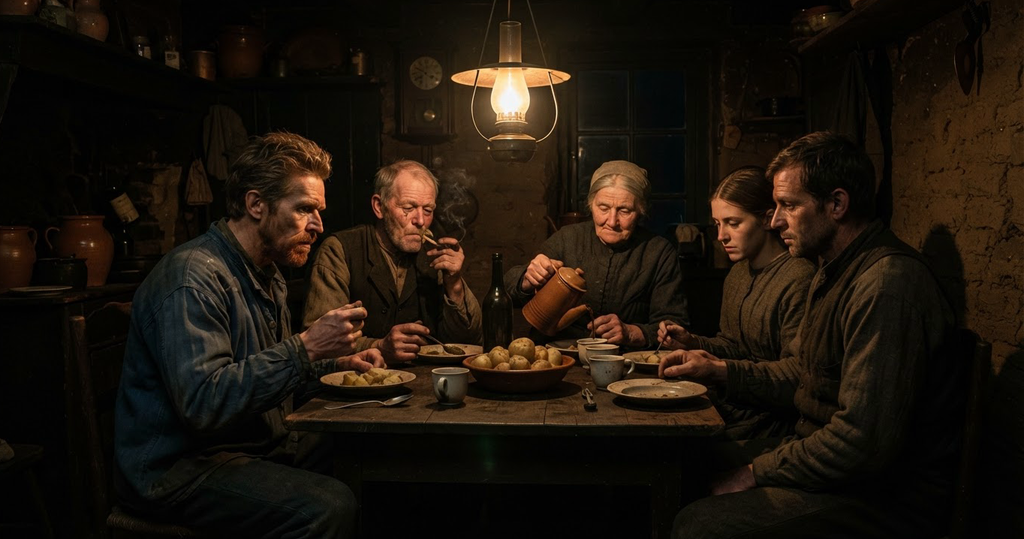
The Potato Eaters, 1885
Paints his first major masterpiece portraying Dutch peasants in dark, earthy tones.
1888
The Yellow House in Arles
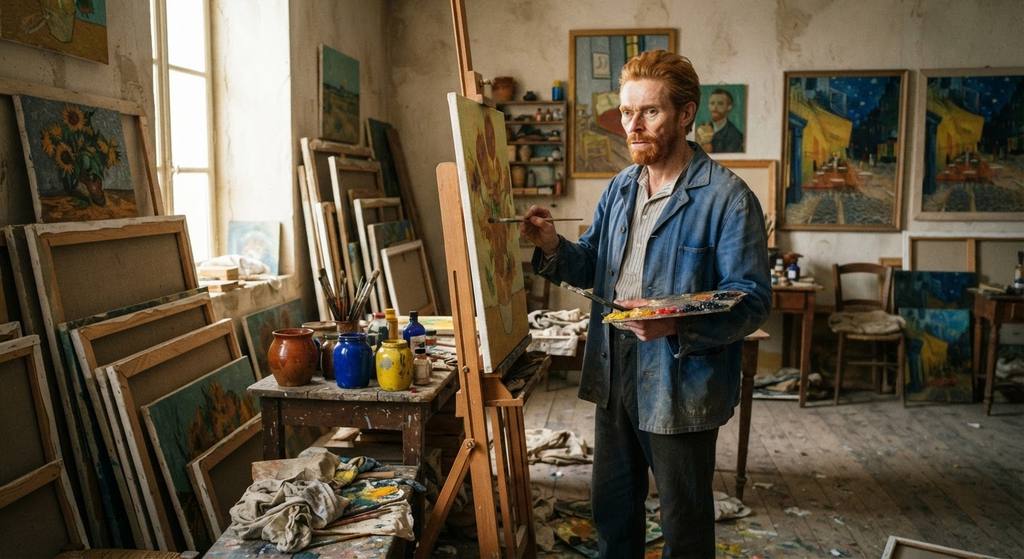
The Yellow House in Arles, 1888
Moves to Provence, producing a flood of luminous paintings under the southern sun.
1889
Saint-Rémy Asylum
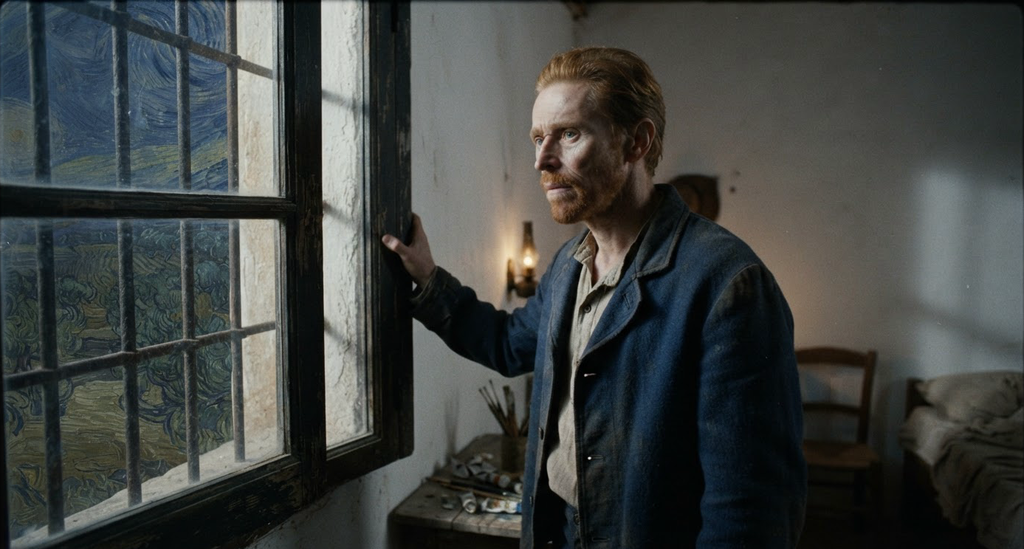
Saint-Rémy Asylum, 1889
Voluntarily enters the asylum at Saint-Paul-de-Mausole and paints The Starry Night.
1890
Final Days in Auvers
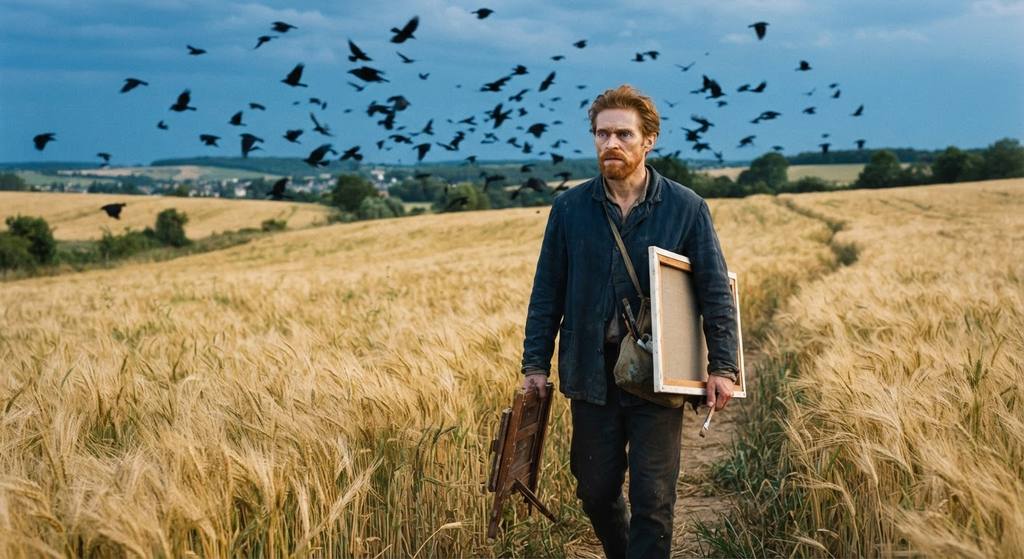
Final Days in Auvers, 1890
Moves near Paris under Dr. Gachet's care before dying from a gunshot wound at age 37.
Color & Soul
The Chromatic Principles That Transformed Modern Expression
Behind the dramatic impasto and vivid canvases lay an exacting philosophy. Van Gogh treated color not as a tool for realistic imitation, but as a language of pure feeling, spiritual force, and psychological truth, documented meticulously in his letters to his brother Theo.
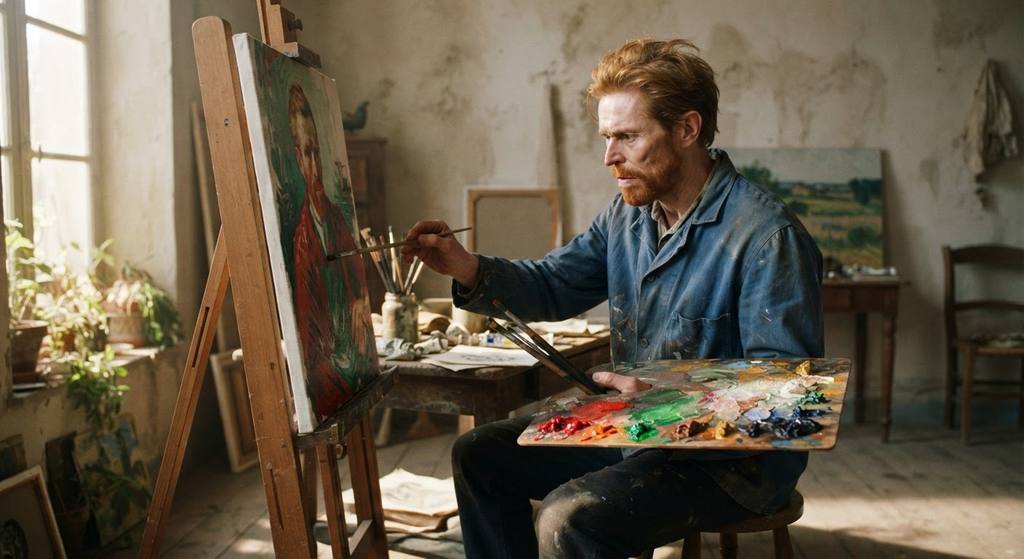 Principle I
Complementary Contrast as Emotional Tension
Using reds and greens to paint human passions
Painting human passions
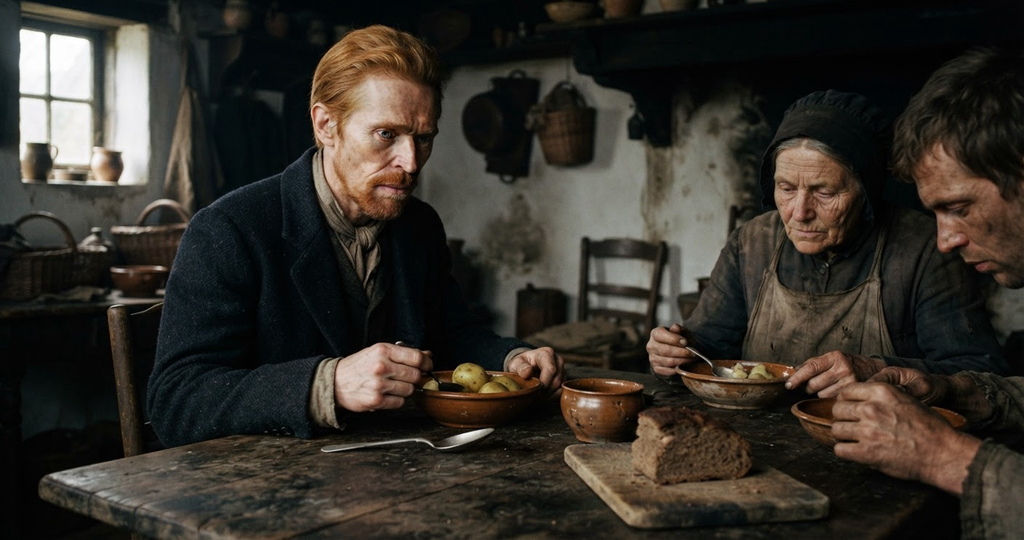 Principle II
The Divinity of Physical Labor
Finding sacred dignity in peasant life and earth
Dignity in peasant life
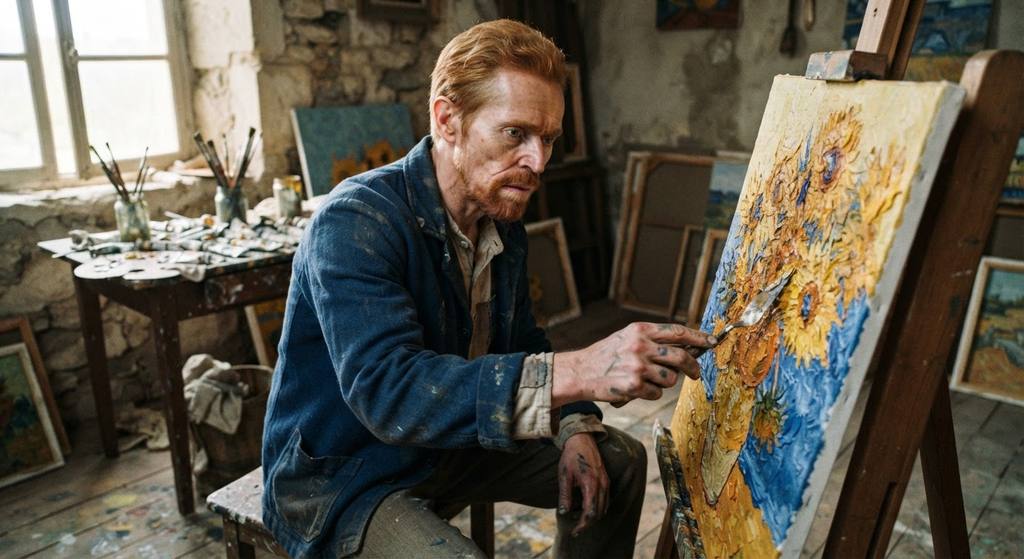 Principle III
Impasto as Living Energy
Sculpting paint directly onto the canvas
Sculpting with paint
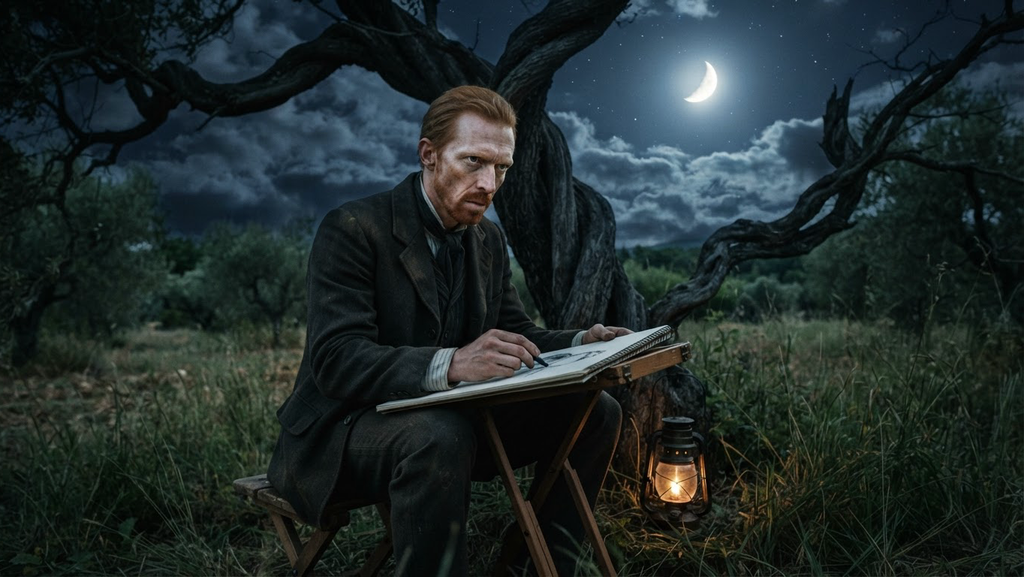 Principle IV
Nature as an Animating Force
Recording the vibrant pulse of the cosmos
Pulse of the cosmos
 Principle V
The Epistolary Record
Artistic philosophy preserved through letters
Artistic philosophy in letters
Complementary Contrast as Emotional Tension
Van Gogh studied Eugène Delacroix and modern color theory, deliberately pairing red with green or yellow with violet to create visceral energy. In works like The Night Café, he explicitly used clashes of red and green to express human suffering, proving that color relationships could convey psychological atmospheres far beyond simple visual accuracy.
Why it matters today: Opposing forces placed in direct tension can express complex emotional truths better than smooth harmony alone.
“How did you choose contrasting colors to evoke intense emotions like anxiety or comfort in your paintings?”
What can you ask Vincent?
Artistic Process
Mindset and Struggles
Life and Beliefs
Try a live answer from Vincent
Ask right here — no signup needed. The answer is generated live.
Live answer from Vincent van Gogh — no login needed for your first question.
Vincent van Gogh quotes — in his own words
14 of the lines Vincent is remembered for, with the source for each one. Pick any quote and ask him what he actually meant by it.
Scroll sideways for more · Sources shown per quote; a few widely circulated lines are marked as attributed rather than verbatim.
Why Xminds is different
Related minds around Vincent
No one thinks alone. These are the people who supported Vincent — and the ones who pushed back. Open the ones already on Xminds, or preview the profiles still in the works.
Friendly minds
Teachers, family, students and allies who shaped Vincent.
Vincent's younger brother and primary financial sponsor who provided unwavering emotional support throughout his life.
A close friend and artist who shared extensive correspondence and creative inspiration with Vincent.
A doctor and art patron who managed Vincent's health and served as a comforting friend in Auvers-sur-Oise.
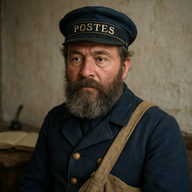
A loyal friend in Arles who supported Vincent during his health crises and posed for iconic portraits.
Opponents
Rivals, accusers and adversaries who tested Vincent.
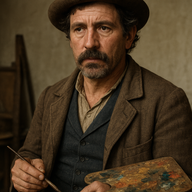
A fellow post-impressionist whose tense housemate arrangement with Vincent in Arles ended in a famous violent rift.
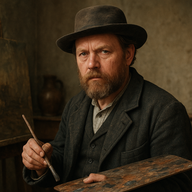
Vincent's early painting mentor and relative who cut off contact after disliking Vincent's personal choices.
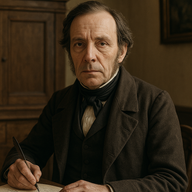
Vincent's former supervisor at Goupil and Cie who continuously doubted his talent and discouraged his career in art.
What people say about Vincent
Ratings are collected right after a conversation ends. Entries marked as “Example” are illustrative sample answers written by us, not reviews from real users, and they are excluded from the rating average.
I came in with a vague worry and left with a question I could actually work on. It never lectured me — it kept asking until I heard my own answer.
Illustrative example
Ten minutes before a difficult meeting I talked it through here. Calmer, sharper, and the advice held up in the room.
Illustrative example
The voice call feels surprisingly natural. Occasionally a bit long-winded, but the substance is genuinely good.
Illustrative example
What I like most is that it stays in character and quotes real sources. It feels like reading with a patient tutor.
Illustrative example
I use it a few evenings a week to think out loud. It has quietly become part of how I make decisions.
Illustrative example
Better than I expected. I wish it remembered more from older conversations, but the depth of each session is excellent.
Illustrative example
Questions & answers
Did Vincent van Gogh only sell one painting in his lifetime?
While popular culture claims Vincent van Gogh sold only 'The Red Vineyard' during his lifetime, records show he traded and sold several other paintings, drawings, and prints. However, commercial success largely eluded him while he was alive.
Did Vincent van Gogh cut off his entire ear?
Historical and medical evidence indicates that Vincent van Gogh severed a portion of his left earlobe during a severe mental health crisis in Arles in December 1888, rather than slicing off his entire ear as popular myth often suggests.
How did Vincent van Gogh die?
Vincent van Gogh died in July 1890 from a gunshot wound in Auvers-sur-Oise. While traditionally recorded as a suicide, biographers Steven Naifeh and Gregory White Smith proposed he may have been accidentally shot by local teenagers.
What role did Theo van Gogh play in Vincent van Gogh's life?
Theo van Gogh provided crucial financial support, artistic encouragement, and emotional grounding throughout Vincent's painting career. Their extensive correspondence documents Vincent's artistic growth, personal struggles, philosophy, and daily life in remarkable detail.
What can I learn about artistic persistence from Vincent van Gogh?
Vincent van Gogh produced over two thousand artworks in just ten years despite severe mental illness, poverty, and public neglect. His dedication demonstrates that devotion to craft and sincere emotional expression matter far more than immediate approval.
Can I really chat with Vincent van Gogh?
Yes. Xminds lets you chat with Vincent van Gogh as an AI mentor: the Vincent van Gogh AI is built from documented writings, speeches and biography, so you can ask Vincent van Gogh anything and get an answer in character rather than a search-results page. The first messages are free and no download is needed.
Can I call Vincent van Gogh and talk by voice?
You can. Press the call button to talk to Vincent van Gogh in a live voice conversation — the Vincent van Gogh AI voice replies in real time, and you can interrupt, follow up and switch language mid-call. Prefer typing? The same conversation works as text chat.
Is the Vincent van Gogh chatbot free?
Starting is free: every visitor gets a free daily allowance of messages and voice minutes with the Vincent van Gogh AI chatbot. Xminds Pro raises the limits for people who talk to their mentors every day.
How accurate is this Vincent van Gogh AI?
Vincent van Gogh is a respectful AI portrayal, not the real person and not a channel to them. Answers are grounded in the historical record and cited sources, and every conversation is clearly labelled as AI so you always know who you are talking to.
What should I ask Vincent van Gogh about?
Bring a real situation. People come for advice from Vincent van Gogh on the themes above, or treat it as an interview with Vincent van Gogh about a decision they are facing. You can speak to Vincent van Gogh about work, doubt or craft, and meet Vincent van Gogh again tomorrow to continue the same thread — it is a conversation, not a Vincent van Gogh simulator that repeats stock lines.
Also known as
Vincent van Gogh appears under several names and spellings across languages and sources. You can search for any of these on Xminds:
- Vincent Willem van Gogh
- Vincent
Step into the sunlit studio in Arles.
Start a personal conversation with Vincent van Gogh today.
10 free messages a day • no signup needed

Talk to Vincent
10 free messages a day • no signup needed