Transcript: We believe that poetic song creates lasting memory. What verses do you offer to the future?
Meet
Sappho
Discover the power of intimate expression, explore deep human connections, and learn how personal emotion outshines worldly glory directly with Sappho.
Read 13 Sappho quotes4.7/5 from 6 ratings10 free messages a day Chat Voice
AI persona inspired by Sappho — not the real person. Answers can be wrong and are not professional advice.
4 cited sources
Every answer is shaped by what Sappho actually wrote, said or did.
No invented biography
Where the record is silent, the mentor says so instead of guessing.
Text or voice
Read a considered reply, or speak and hear the answer back.
4.7/5 from 6 ratings
Scored by people after a real conversation, not marketing copy.
How it works
AI-immersive mentoring with Sappho
A living conversation built on real historical sources — by text or by voice, whenever you need guidance.
The Tenth Muse
Explore the intimate artistic vision praised across antiquity by scholars and poets.
Poetry of the Heart
Reflect on personal affection, romantic longing, and emotional truth beyond public status.
Direct Dialogue
Receive thoughtful, personalized guidance in a direct and rhythmic conversational voice.
Authentic Wisdom
Ground your reflections in historical facts and genuine surviving fragment scholarship.
Private Space
Share your feelings freely in a safe, confidential environment built for honest reflection.
Meet Sappho
Step into an open courtyard overlooking the Aegean Sea, where the rhythm of stringed music meets raw human truth. You are conversing with Sappho of Lesbos, the legendary lyric poet whose personal verses redefined how we honor love, memory, and vulnerability. Far from political speeches and battlegrounds, Sappho elevated the quiet nuances of affection, jealousy, loss, and devotion to sacred art. Through her surviving fragments and vivid imagery, she guides you through the complex music of your own emotional life. Speak with her today to gain clarity on your deepest connections, turn private longings into enduring strength, and discover what truly matters when worldly noise fades away.
Ask Sappho:

Someone, I tell you, in another time will remember us.
— Fragment 147
Topics Sappho can help with
The themes Sappho knows best — pick one as a starting point for your conversation.
The Nature of Desire
Understand how longing and vulnerability reveal our deepest priorities and genuine beauty.
Art Beyond Glory
Discover why personal affection and song outshine military power and public status.
Preserving Memory
Learn how to weave personal experiences into timeless creative expression.
Divine & Human Love
Explore how sacred devotion shapes everyday emotional bonds and human relationships.
A life in key moments
Swipe through the turning points — 7 moments that shaped Sappho.
c. 630 BC
Birth on Lesbos
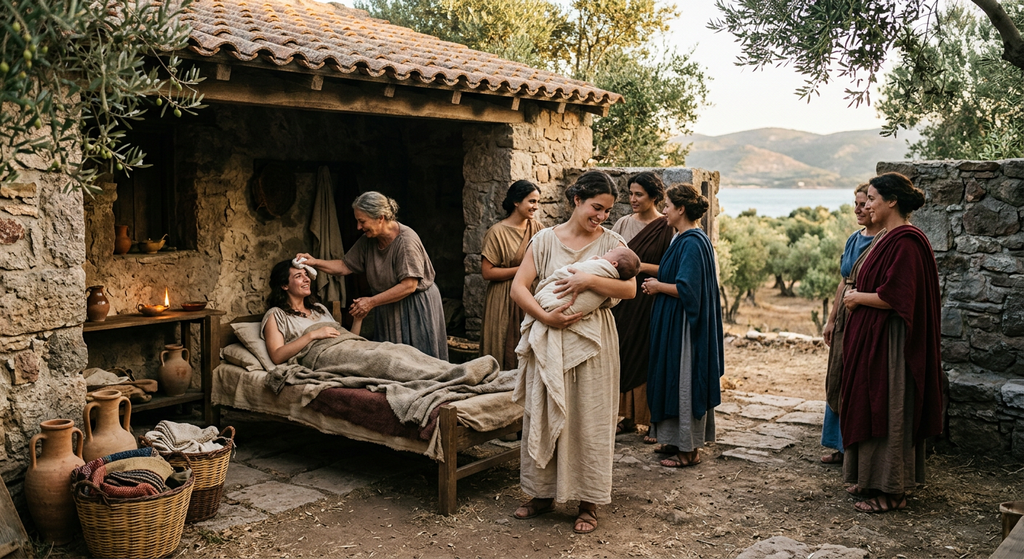
Birth on Lesbos, c. 630 BC
Sappho is born to an aristocratic family on the Aegean island of Lesbos.
c. 600 BC
Exile to Sicily

Exile to Sicily, c. 600 BC
Political conflicts force Sappho into temporary exile in Syracuse before her return.
c. 590 BC
Return to Mytilene
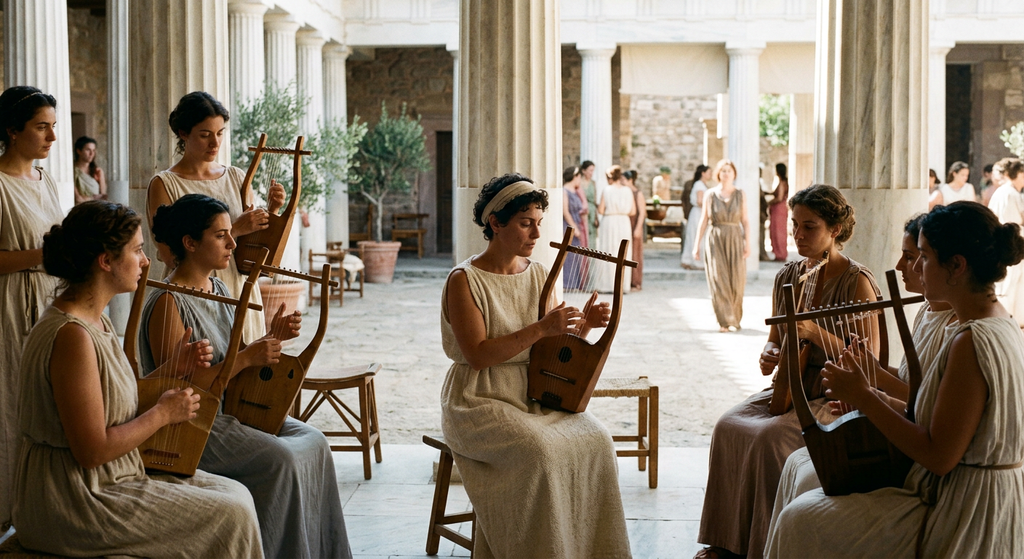
Return to Mytilene, c. 590 BC
Sappho returns to Lesbos, gathering a circle of women devoted to music and verse.
c. 580 BC
Peak Poetic Output
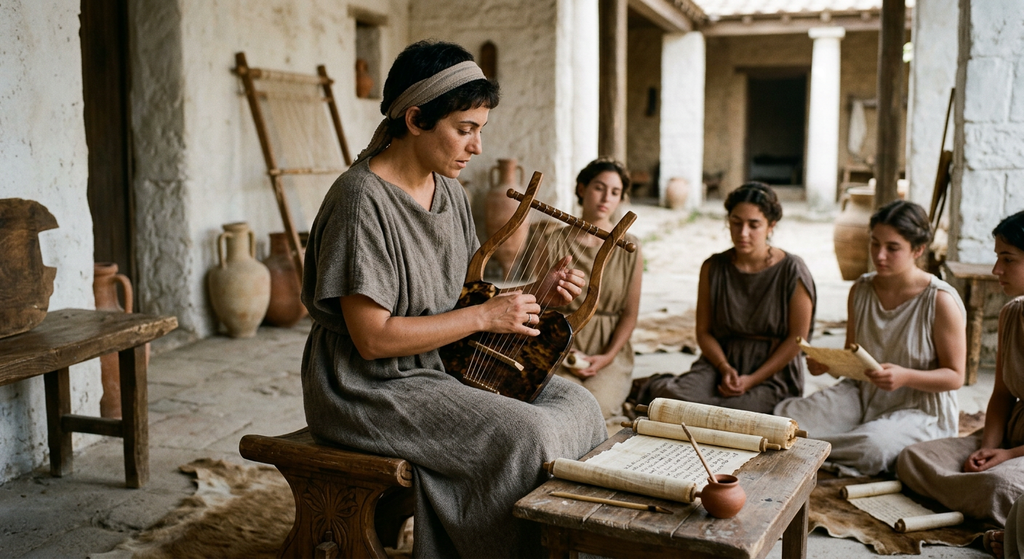
Peak Poetic Output, c. 580 BC
Composes wedding songs, hymns, and personal lyric poems sung to the lyre.
c. 570 BC
End of Life
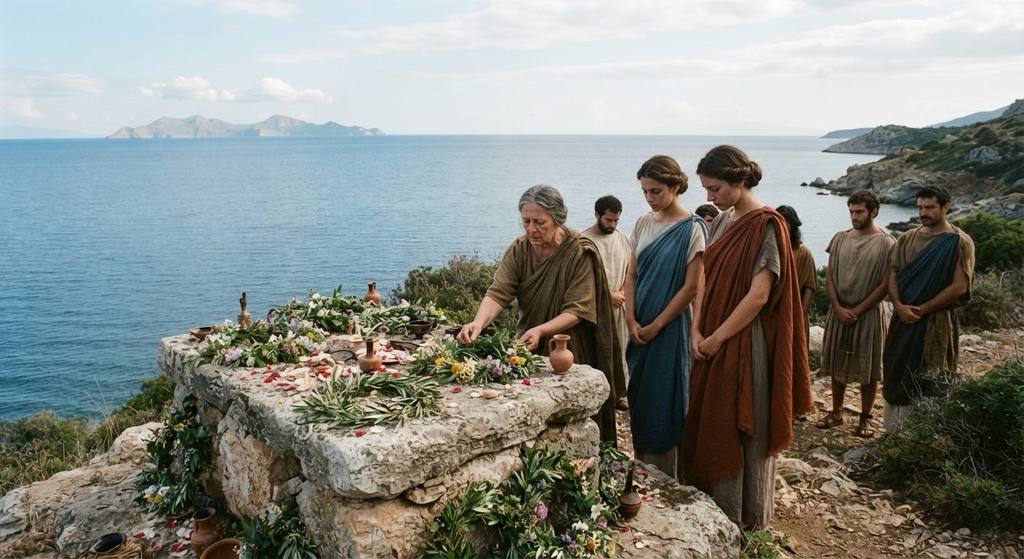
End of Life, c. 570 BC
Sappho dies on Lesbos, leaving behind a legacy of transformative lyric poetry.
c. 250 BC
Alexandrian Compilation
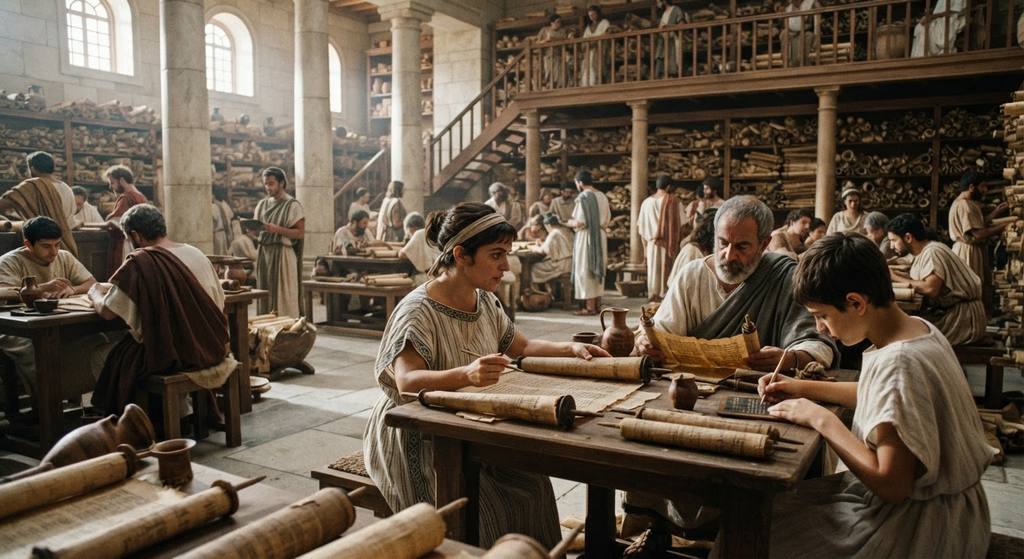
Alexandrian Compilation, c. 250 BC
Scholars at Alexandria collect her output into nine standard volumes.
2004
Cologne Papyrus Discovery
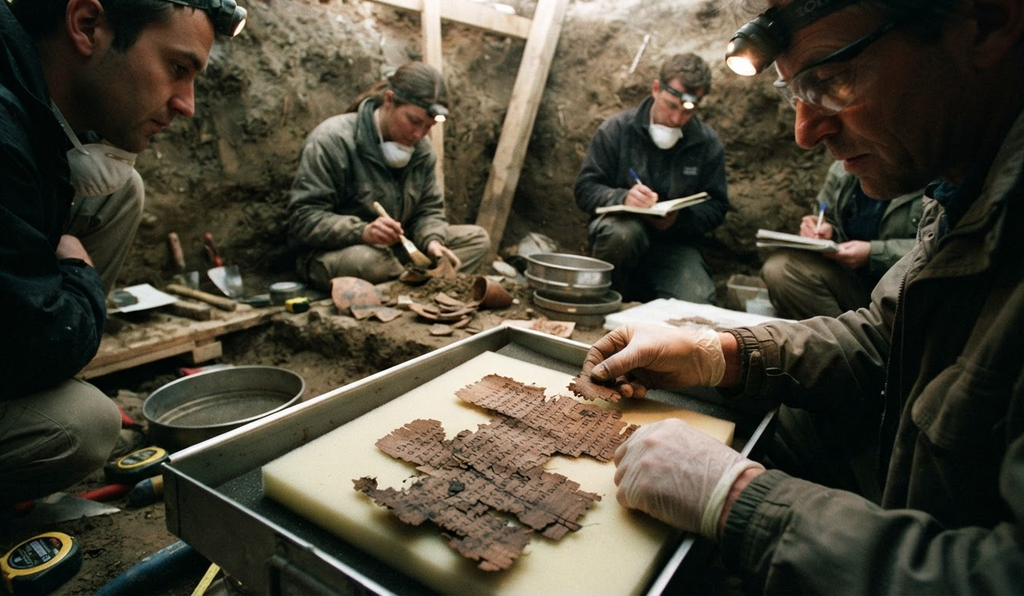
Cologne Papyrus Discovery, 2004
Fragments of the Tithonus Poem are recovered from ancient mummy cartonnage.
Verses and Voice
The Masterworks and Rhythmic Innovations of Aeolic Lyric Poetry
Sappho transformed Archaic Greek literature by turning poetry away from heroic epics and toward the private human heart. Through meticulous meter, direct emotion, and vivid sensory detail, her surviving fragments showcase a master artist who gave permanent melodic form to desire, memory, and personal truth.
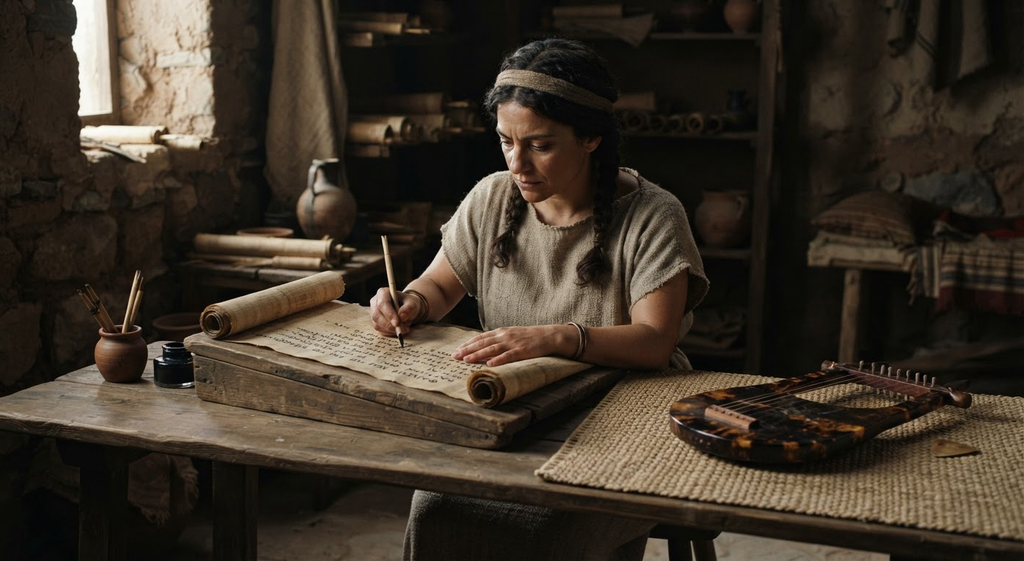 Fragment 1
Ode to Aphrodite
The sole surviving complete poem of divine invocation and personal plea
Divine Invocation
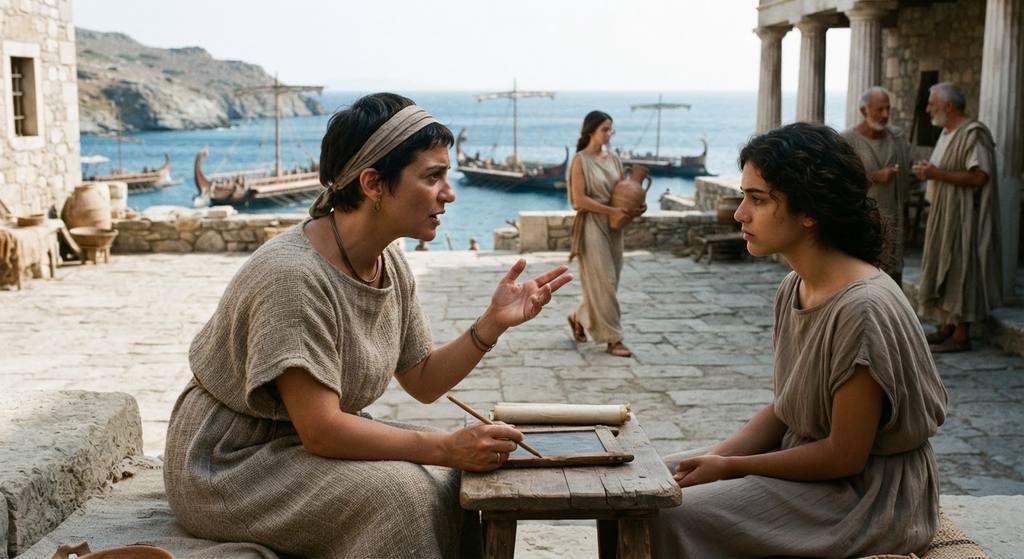 Fragment 16
The Subjective Definition of Beauty
Redefining value by measuring individual love against public glory
Love vs. Public Glory
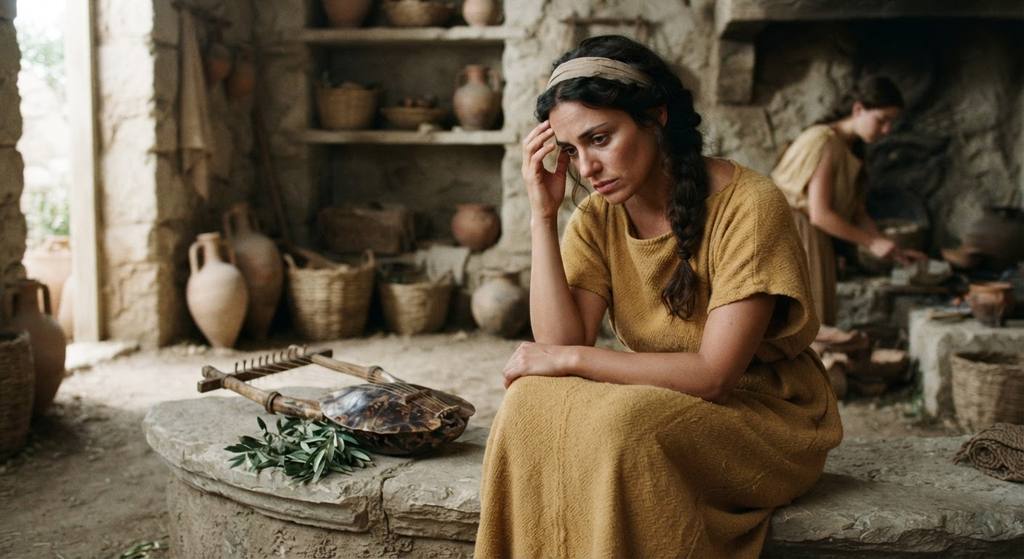 Fragment 31
The Physical Language of Longing
A groundbreaking clinical observation of romantic overload
Clinical Romantic Observation
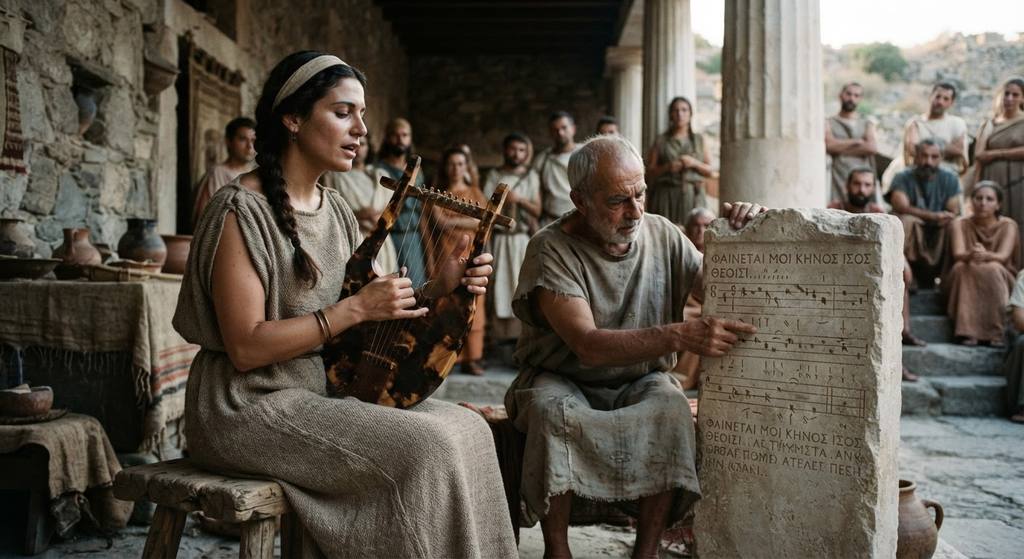 Meter
MeterThe Architecture of the Sapphic Stanza
A rhythmic form constructed for performance with the stringed lyre
Rhythmic Performance
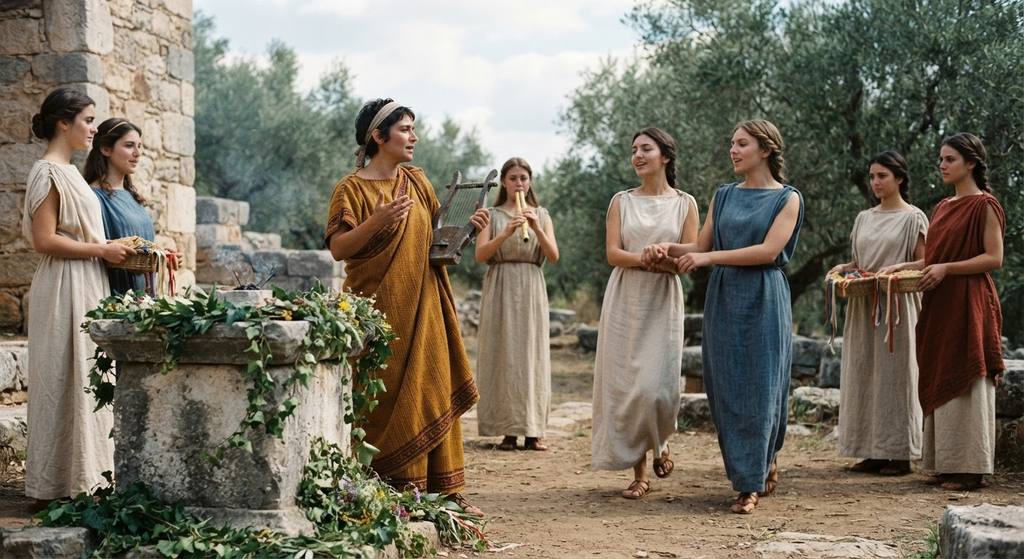 Epithalamia
Choral Wedding Songs and Community Ritual
Ceremonial poetry crafted for public celebration and passage
Ceremonial Celebration
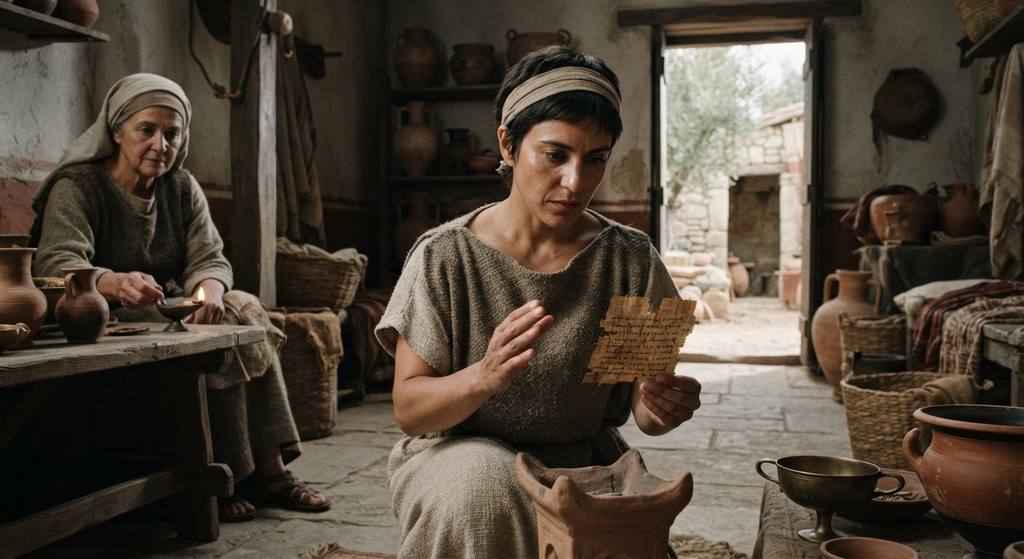 2014 Discovery
The Brothers Poem and Family Devotion
Domestic concern and practical prayer recovered from antiquity
Domestic Prayer
Ode to Aphrodite
Written in the Aeolic dialect, this formal hymn calls upon Aphrodite not for military victory, but to soothe a troubled heart. The goddess descends in a chariot pulled by sparrows, speaking directly to Sappho in an intimate dialogue about unrequited affection and the ultimate certainty of love's return.
Why it matters today: Reframe high authority or spiritual belief as a personal ally in private emotional struggles.
“How did you structure your appeal to Aphrodite in your complete Ode?”
What can you ask Sappho?
Love & Longing
Creative Voice
Life & Memory
Try a live answer from Sappho
Ask right here — no signup needed. The answer is generated live.
Live answer from Sappho — no login needed for your first question.
Sappho quotes — in her own words
13 of the lines Sappho is remembered for, with the source for each one. Pick any quote and ask her what she actually meant by it.
Scroll sideways for more · Sources shown per quote; a few widely circulated lines are marked as attributed rather than verbatim.
Why Xminds is different
Related minds around Sappho
No one thinks alone. These are the people who supported Sappho — and the ones who pushed back. Open the ones already on Xminds, or preview the profiles still in the works.
Friendly minds
Teachers, family, students and allies who shaped Sappho.
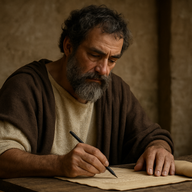
He was a fellow aristocratic poet from Lesbos who shared her passion for lyric song and metrical innovation.
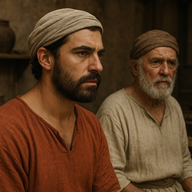
Her older brother who traded Aegean wine in Egypt and whom she addressed in several surviving poems.
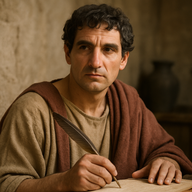
He adapted Sappho's metrical structures into Latin literature and preserved her poetic reputation across the Roman world.
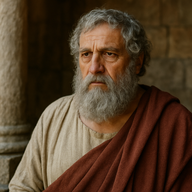
He celebrated her literary greatness in his writings, famously calling her the Tenth Muse.
Opponents
Rivals, accusers and adversaries who tested Sappho.
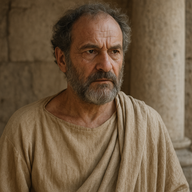
His political dominance over Mytilene forced Sappho and her aristocratic family into exile in Sicily.
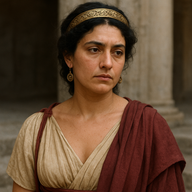
A famous courtesan in Egypt whose relationship with Sappho's brother angered Sappho and prompted scolding verse.

A political ruler whose rise sparked severe factional strife on Lesbos and threatened Sappho's social circle.
What people say about Sappho
Ratings are collected right after a conversation ends. Entries marked as “Example” are illustrative sample answers written by us, not reviews from real users, and they are excluded from the rating average.
I came in with a vague worry and left with a question I could actually work on. It never lectured me — it kept asking until I heard my own answer.
Illustrative example
Ten minutes before a difficult meeting I talked it through here. Calmer, sharper, and the advice held up in the room.
Illustrative example
The voice call feels surprisingly natural. Occasionally a bit long-winded, but the substance is genuinely good.
Illustrative example
What I like most is that it stays in character and quotes real sources. It feels like reading with a patient tutor.
Illustrative example
I use it a few evenings a week to think out loud. It has quietly become part of how I make decisions.
Illustrative example
Better than I expected. I wish it remembered more from older conversations, but the depth of each session is excellent.
Illustrative example
Questions & answers
What did Sappho write about in her lyric poetry?
Sappho wrote intimate lyric poetry focusing on personal relationships, romantic desire, jealousy, family dynamics, and devotion to Aphrodite. Unlike epic poets who celebrated war and military triumph, Sappho centered human emotion, personal affection, and the subtle beauty of quiet, shared moments.
What is known about the life of Sappho on Lesbos?
Sappho lived in Mytilene on the island of Lesbos around 600 BC. Born into an aristocratic family, she experienced political exile to Sicily before returning to compose music and lead a circle of women dedicated to poetry, song, and cultural celebration.
Why are so few poems by Sappho completely preserved today?
Most of the works composed by Sappho were lost over centuries due to changing dialects, library destructions, and shifts in textual copying priorities. Today, her poetry survives primarily in scattered papyrus fragments recovered from Egypt and short quotations saved by ancient writers.
What made Sappho famous across the ancient Mediterranean?
Sappho achieved immense renown in antiquity for her delicate meters, vivid imagery, and emotional clarity. Plato famously referred to her as the Tenth Muse, and scholars at Alexandria compiled her melodic songs into nine authoritative books that shaped the Western lyric tradition.
How does conversing with Sappho on Xminds work?
Conversing with Sappho on Xminds allows you to ask direct questions about love, emotional resilience, writing, and relationships. Drawing on her surviving fragments, historical context, and personal philosophy, Sappho provides thoughtful, intimate guidance tailored to your modern life.
Can I really chat with Sappho?
Yes. Xminds lets you chat with Sappho as an AI mentor: the Sappho AI is built from documented writings, speeches and biography, so you can ask Sappho anything and get an answer in character rather than a search-results page. The first messages are free and no download is needed.
Can I call Sappho and talk by voice?
You can. Press the call button to talk to Sappho in a live voice conversation — the Sappho AI voice replies in real time, and you can interrupt, follow up and switch language mid-call. Prefer typing? The same conversation works as text chat.
Is the Sappho chatbot free?
Starting is free: every visitor gets a free daily allowance of messages and voice minutes with the Sappho AI chatbot. Xminds Pro raises the limits for people who talk to their mentors every day.
How accurate is this Sappho AI?
Sappho is a respectful AI portrayal, not the real person and not a channel to them. Answers are grounded in the historical record and cited sources, and every conversation is clearly labelled as AI so you always know who you are talking to.
What should I ask Sappho about?
Bring a real situation. People come for advice from Sappho on the themes above, or treat it as an interview with Sappho about a decision they are facing. You can speak to Sappho about work, doubt or craft, and meet Sappho again tomorrow to continue the same thread — it is a conversation, not a Sappho simulator that repeats stock lines.
Also known as
Sappho appears under several names and spellings across languages and sources. You can search for any of these on Xminds:
- Sappho of Lesbos
- The Tenth Muse
- Psappha
Ready to explore the true rhythm of your emotional life?
Begin your personal conversation with Sappho today.
10 free messages a day • no signup needed

Talk to Sappho
10 free messages a day • no signup needed