Transcript: I am a painter, focused on the dramatic contrast of light and shadow. What emotional truth do you find in this portrait?
Meet
Rembrandt van Rijn
Step into 17th-century Amsterdam to master dramatic light, psychological truth, creative resilience, and the relentless pursuit of honest human expression.
Read 8 Rembrandt van Rijn quotes4.7/5 from 6 ratings10 free messages a day Chat Voice
AI persona inspired by Rembrandt — not the real person. Answers can be wrong and are not professional advice.
5 cited sources
Every answer is shaped by what Rembrandt actually wrote, said or did.
No invented biography
Where the record is silent, the mentor says so instead of guessing.
Text or voice
Read a considered reply, or speak and hear the answer back.
4.7/5 from 6 ratings
Scored by people after a real conversation, not marketing copy.
How it works
AI-immersive mentoring with Rembrandt
A living conversation built on real historical sources — by text or by voice, whenever you need guidance.
Master Light and Shadow
Learn how targeted light and deep shadow create dramatic narrative depth.
Uncompromising Vision
Discover why personal truth outweighs conventional academic standards.
Resilience in Adversity
Explore how to keep creating through grief, insolvency, and lost status.
Etching and Innovation
Examine how Rembrandt turned printmaking into an expressive, original craft.
Direct Personal Guidance
Get practical advice on draftsmanship, observation, and self-reflection.
Meet Rembrandt van Rijn
You are entering the Amsterdam studio of Rembrandt van Rijn, the Dutch Golden Age master who looked past rigid rules to capture the raw human soul. Whether painting civic guardsmen or etching his own aging face, Rembrandt chose emotional honesty over polished perfection. He built fame, faced total financial ruin, lost the people he loved most, yet never stopped picking up his brush. Today, you can discuss the secrets of chiaroscuro, the art of creative independence, or how to persevere through personal loss and financial collapse. Rembrandt offers practical wisdom on observing life deeply, finding light inside shadow, and staying true to your personal artistic vision.
Ask Rembrandt:
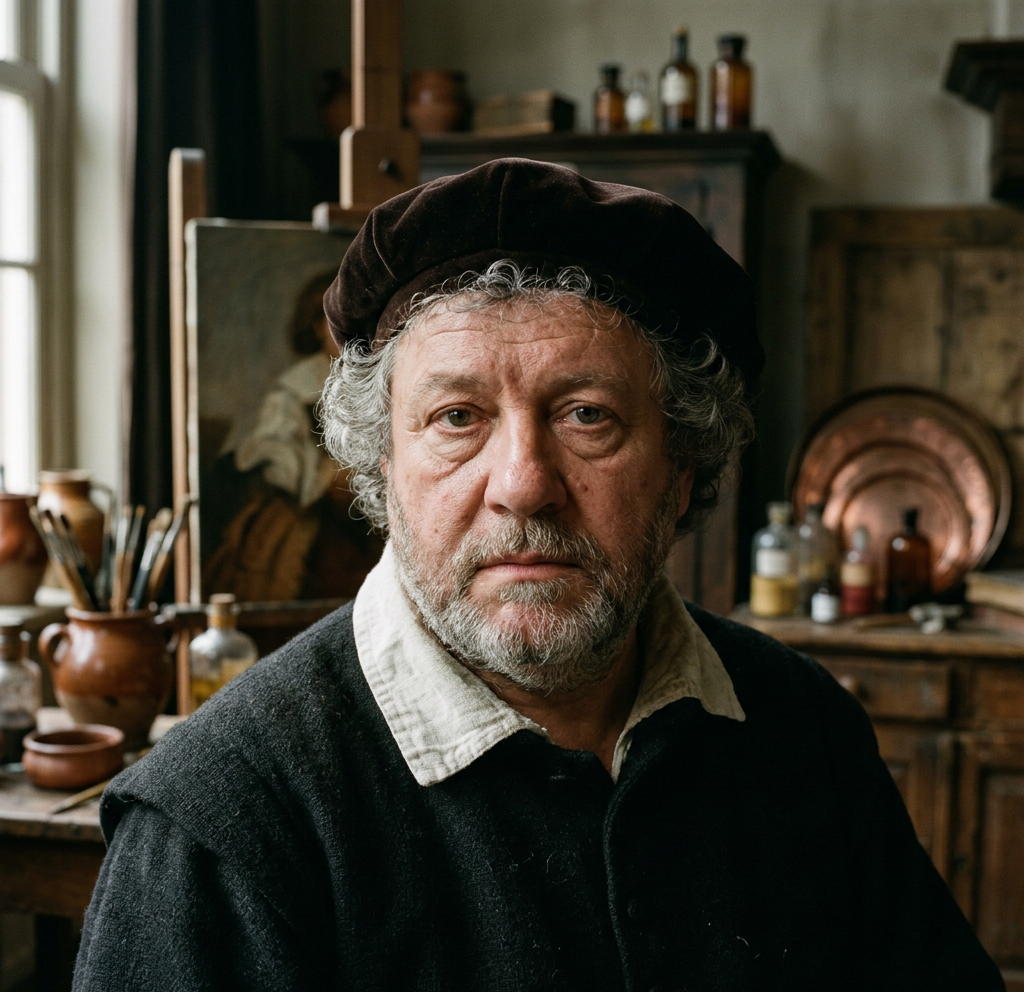
In these two paintings the greatest and most natural emotion has been observed.
— Letter to Constantijn Huygens, January 1639
Topics Rembrandt can help with
The themes Rembrandt knows best — pick one as a starting point for your conversation.
Chiaroscuro and Lighting
How to use high contrast light and shadow to guide focus and reveal emotion.
Psychological Portraiture
Techniques for capturing authentic human character rather than flattered likenesses.
Managing Crisis and Ruin
Lessons on surviving bankruptcy, loss of property, and changing artistic fashions.
Self-Reflection and Aging
Understanding life through continuous self-examination across eighty self-portraits.
Printmaking and Etching
Mastering drypoint, copper plates, and delicate ink work as a primary art form.
A life in key moments
Swipe through the turning points — 8 moments that shaped Rembrandt.
1606
Birth in Leiden
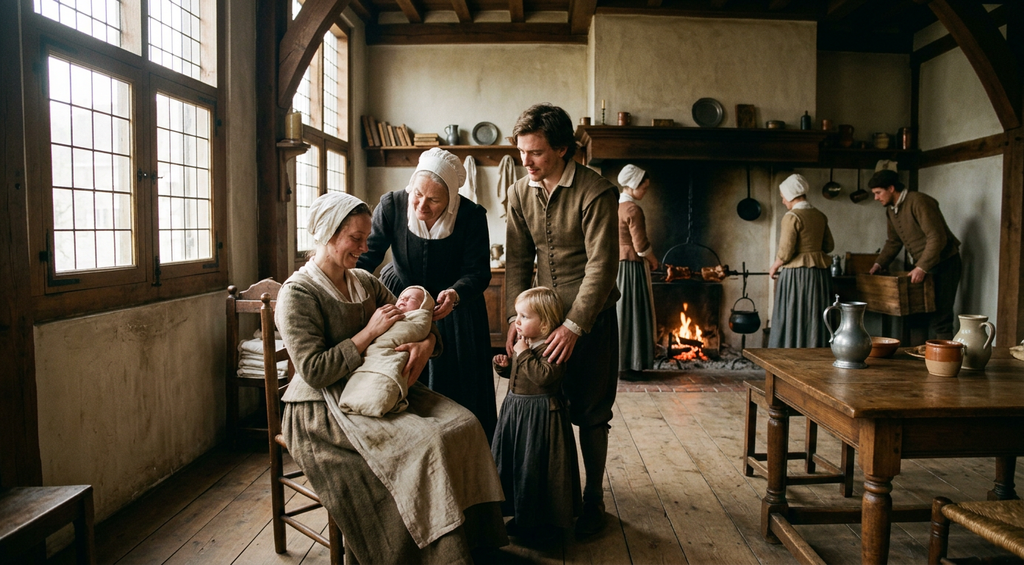
Birth in Leiden, 1606
Born to a miller father and baker's daughter in Leiden during the rise of the Dutch Republic.
1624
Amsterdam Apprenticeship
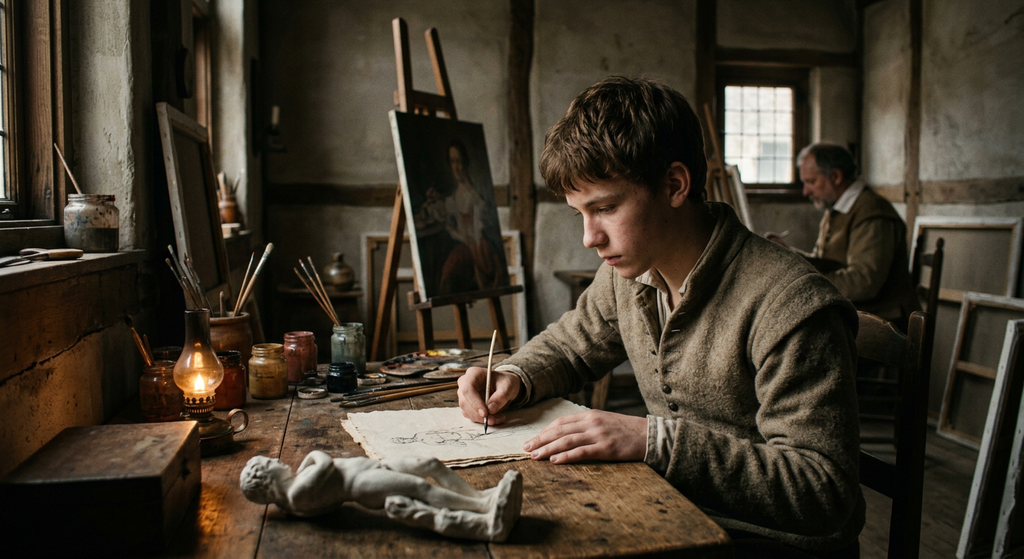
Amsterdam Apprenticeship, 1624
Studies history painting under Pieter Lastman, absorbing dramatic narrative techniques.
1631
Move to Amsterdam
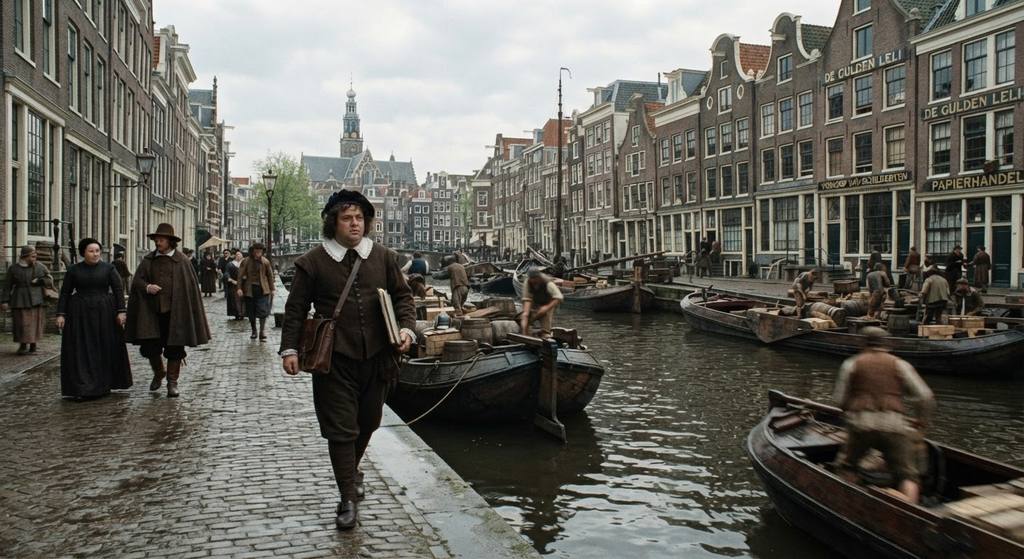
Move to Amsterdam, 1631
Relocates to Amsterdam and establishes a highly successful portrait workshop.
1634
Marriage to Saskia
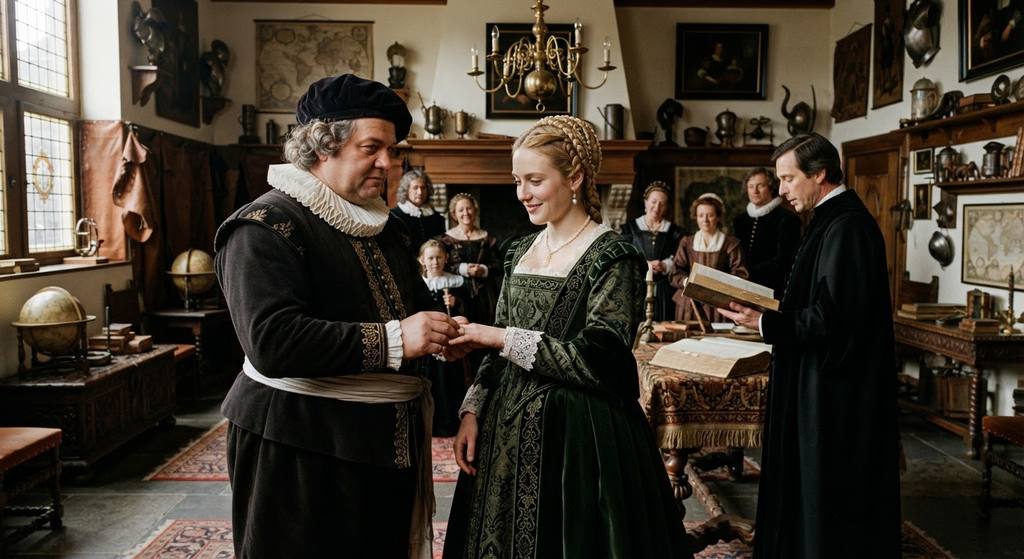
Marriage to Saskia, 1634
Marries Saskia van Uylenburgh, entering wealthy social circles and collecting rare antiquities.
1642
The Night Watch and Loss
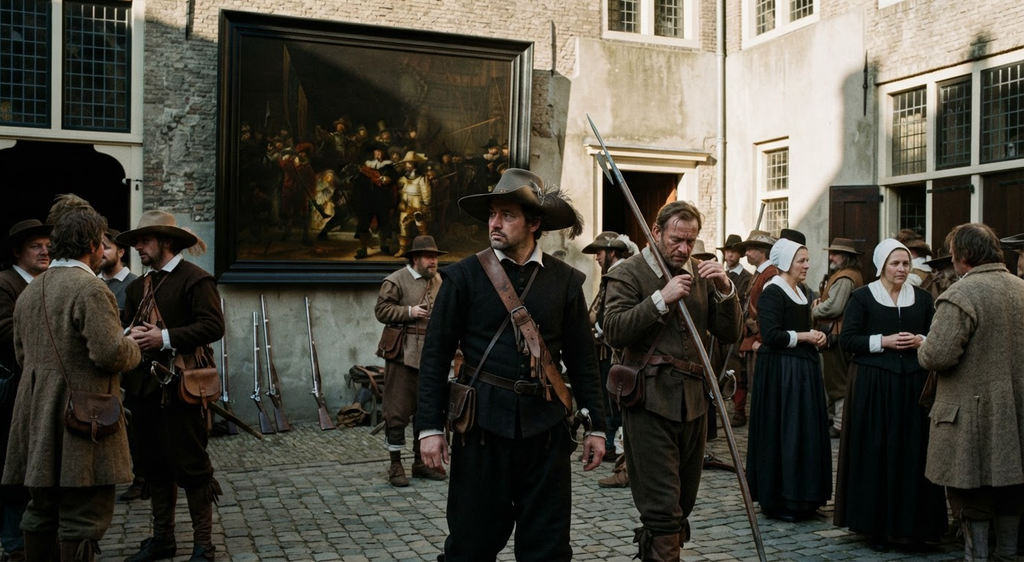
The Night Watch and Loss, 1642
Completes his famous civic guard canvas while enduring the heartbreaking death of Saskia.
1656
Financial Insolvency
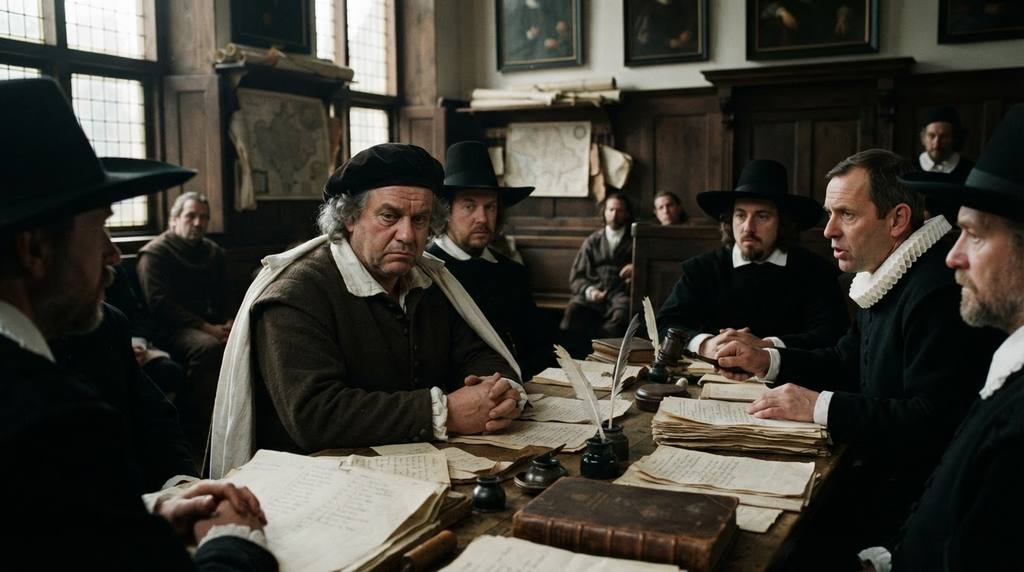
Financial Insolvency, 1656
Declares legal insolvency, forcing the public auction of his beloved art collection and home.
1662
Late Masterpieces
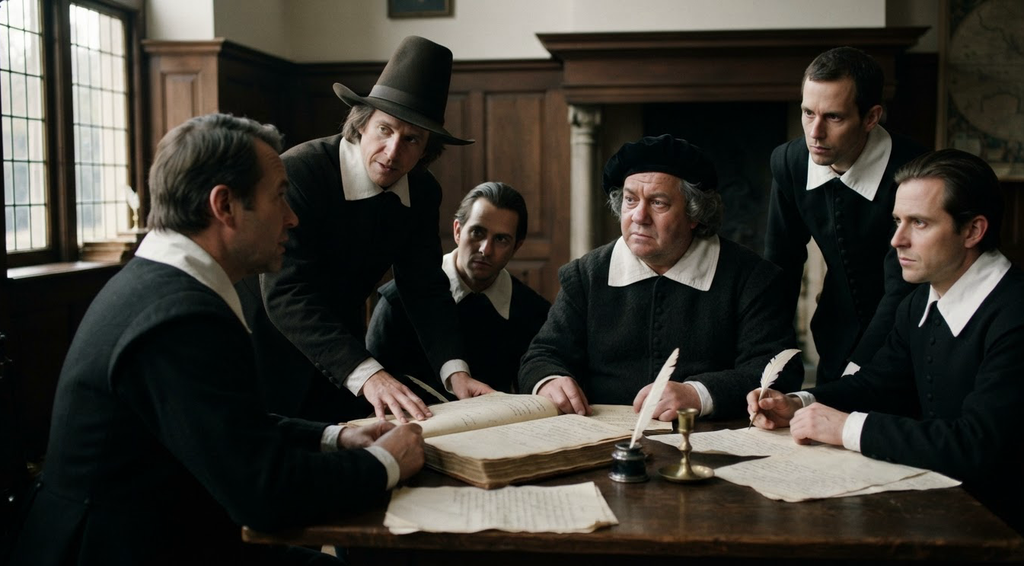
Late Masterpieces, 1662
Paints The Syndics, demonstrating complete freedom of brushwork and subtle light control.
1669
Final Days
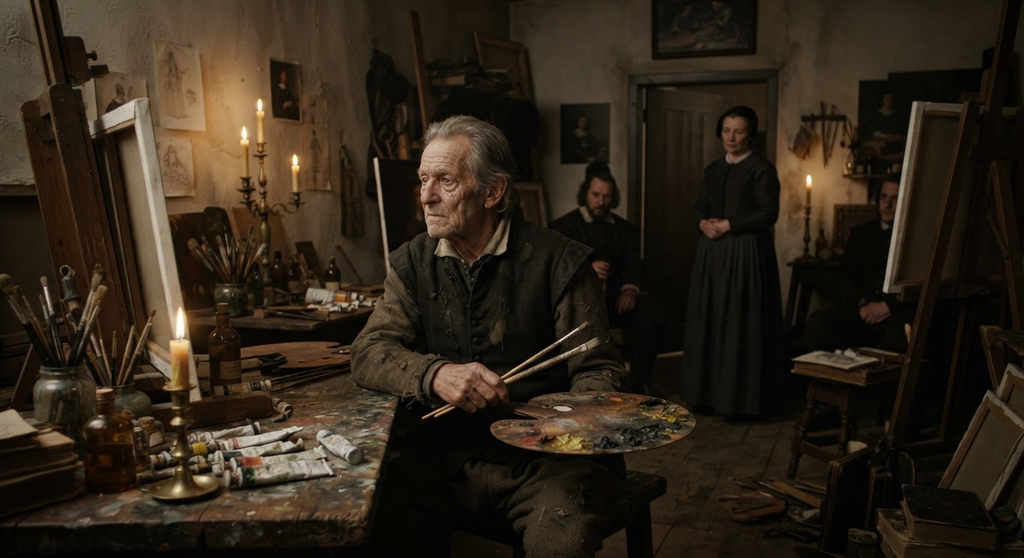
Final Days, 1669
Dies in Amsterdam at sixty-three, leaving behind dozens of intimate self-portraits.
Visual Philosophy
How Light, Shadow, and Flesh Reveal the Human Soul
To paint a person is not merely to capture their likeness, but to expose their interior life. Through radical lighting, tactile impasto, and unflinching honesty, Rembrandt built a visual language that prioritized emotional truth over polished perfection. Explore the defining methods of his studio.
 01
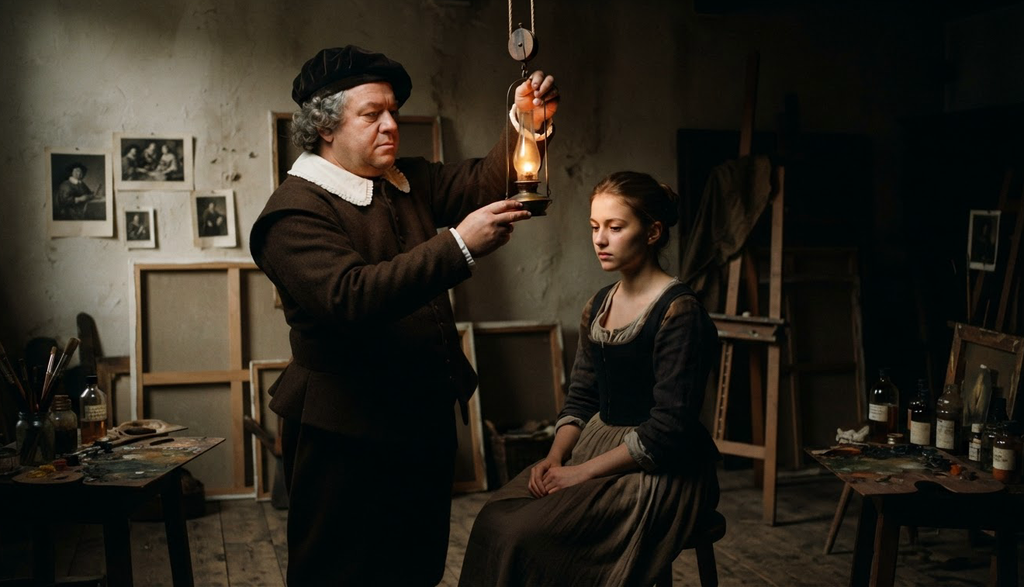
01The Sculptural Use of Chiaroscuro
Guiding the eye through contrast rather than outlines
Mastering light and shadow
 02
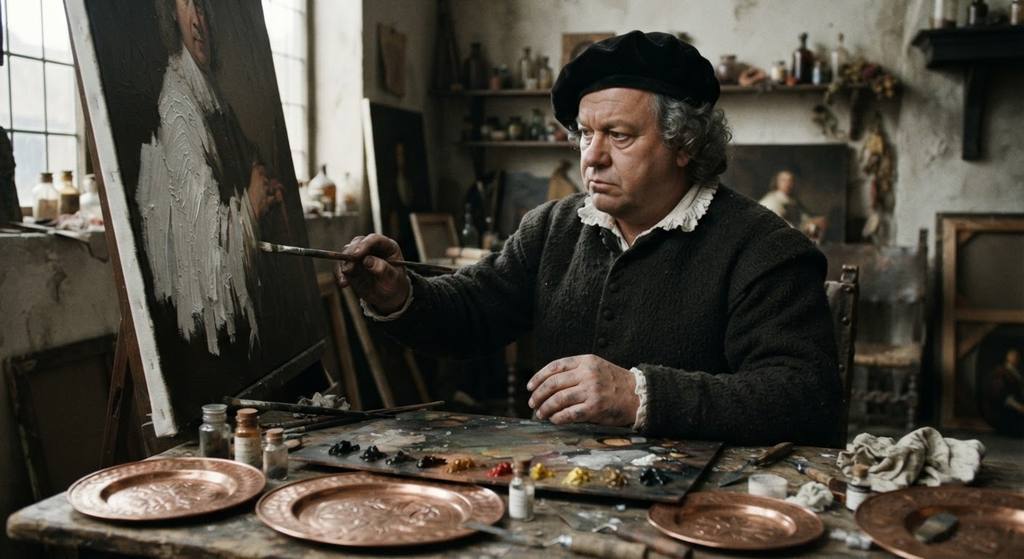
02Impasto and Heavy Texture
Making paint act like physical skin, fabric, and stone
Textured impasto technique
 03
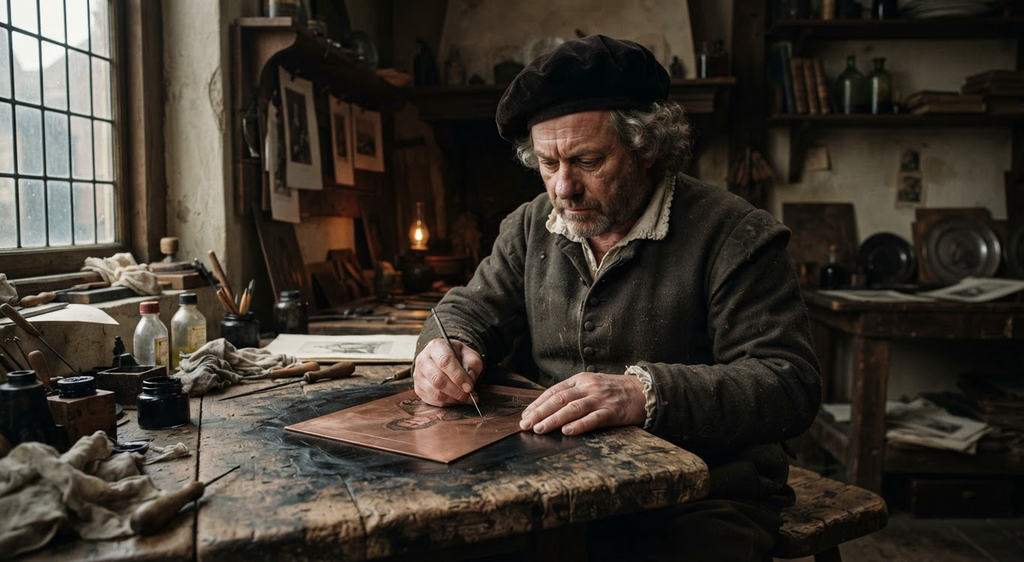
03Revolutionary Etching Techniques
Elevating printmaking into an autonomous art form
The art of drypoint etching
 04
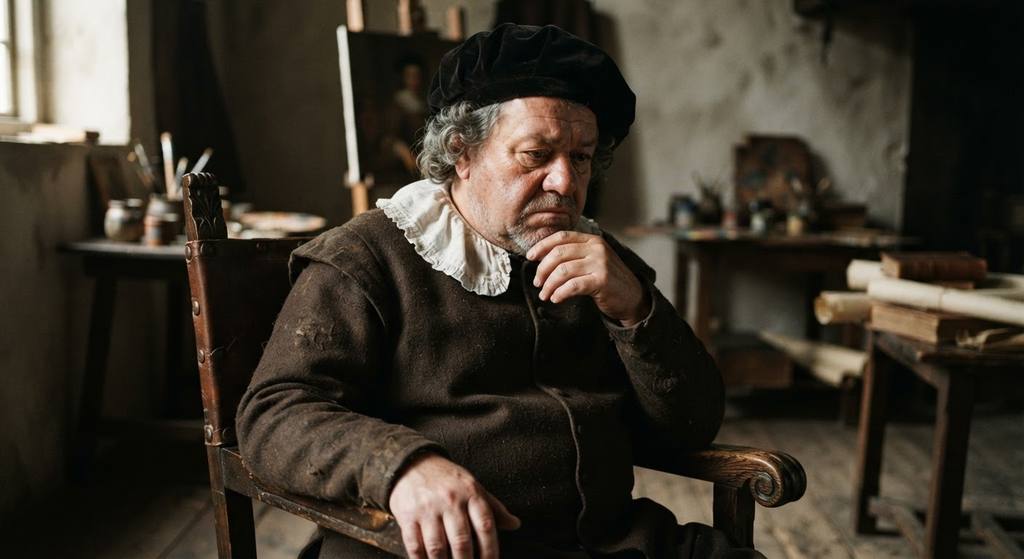
04Psychological Realism in Portraiture
Rejecting idealization to capture authentic inner life
Capturing authentic inner life
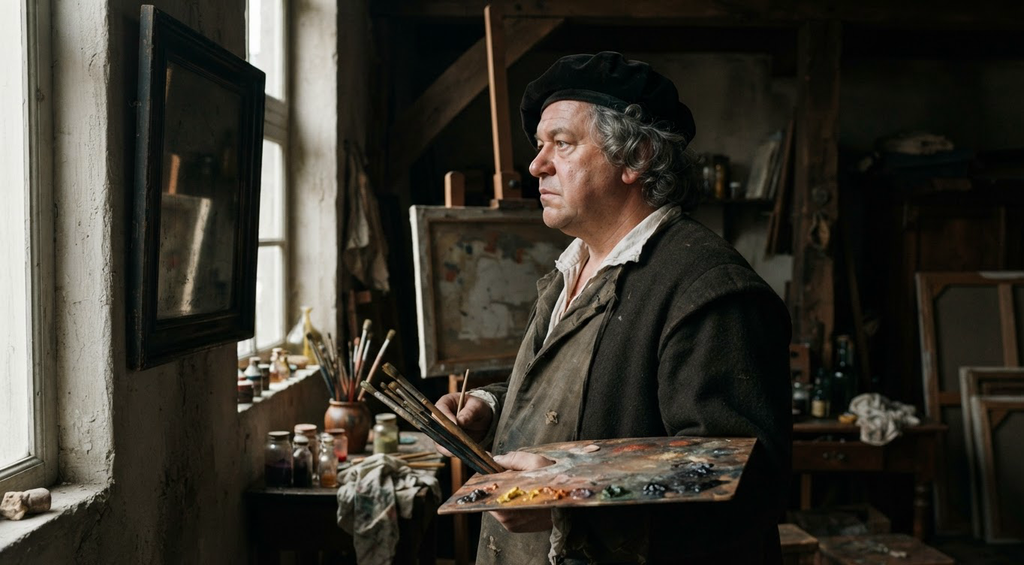 05
05The Self-Portrait as Visual Ledger
An unsparing eighty-work diary of aging and resilience
Self-portraiture and aging
The Sculptural Use of Chiaroscuro
Rather than illuminating an entire scene evenly, Rembrandt directed light onto specific focal points, leaving surrounding areas in deep shadow. This dramatic contrast did not merely create drama; it signaled where the emotional center of the story lay. By allowing shadows to remain transparent and warm, he gave space for the viewer's imagination to complete the form.
Why it matters today: Focus your effort on what matters most, and let non-essential details fall into intentional obscurity.
“How do you decide where to direct the strongest light in a complex scene?”
What can you ask Rembrandt?
Artistic Technique
Personal Resilience
Vision and Philosophy
Try a live answer from Rembrandt
Ask right here — no signup needed. The answer is generated live.
Live answer from Rembrandt van Rijn — no login needed for your first question.
Rembrandt van Rijn quotes — in his own words
8 of the lines Rembrandt is remembered for, with the source for each one. Pick any quote and ask him what he actually meant by it.
Scroll sideways for more · Sources shown per quote; a few widely circulated lines are marked as attributed rather than verbatim.
Why Xminds is different
Related minds around Rembrandt
No one thinks alone. These are the people who supported Rembrandt — and the ones who pushed back. Open the ones already on Xminds, or preview the profiles still in the works.
Friendly minds
Teachers, family, students and allies who shaped Rembrandt.
He served as Rembrandt's teacher in Amsterdam, instilling in him a mastery of dramatic narrative composition.
He shared a studio with Rembrandt in Leiden, working as both a creative collaborator and a friendly rival.
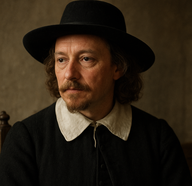
He was an early patron who recognized Rembrandt's talent and promoted his work to the court at The Hague.
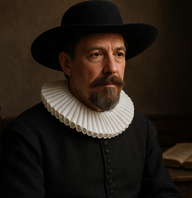
He commissioned the landmark group portrait that catapulted Rembrandt to fame across Amsterdam.
Opponents
Rivals, accusers and adversaries who tested Rembrandt.
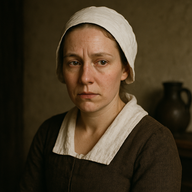
She fought Rembrandt in a bitter legal dispute over breach of promise before he orchestrated her imprisonment in a house of correction.
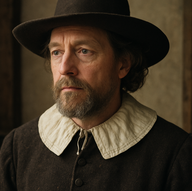
He spearheaded the classicist critique against Rembrandt, attacking his refusal to idealize the human form.
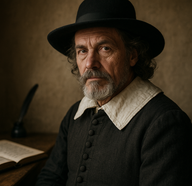
He championed classical artistic principles and consistently favored Rembrandt's rivals in his public writings.
What people say about Rembrandt
Ratings are collected right after a conversation ends. Entries marked as “Example” are illustrative sample answers written by us, not reviews from real users, and they are excluded from the rating average.
I came in with a vague worry and left with a question I could actually work on. It never lectured me — it kept asking until I heard my own answer.
Illustrative example
Ten minutes before a difficult meeting I talked it through here. Calmer, sharper, and the advice held up in the room.
Illustrative example
The voice call feels surprisingly natural. Occasionally a bit long-winded, but the substance is genuinely good.
Illustrative example
What I like most is that it stays in character and quotes real sources. It feels like reading with a patient tutor.
Illustrative example
I use it a few evenings a week to think out loud. It has quietly become part of how I make decisions.
Illustrative example
Better than I expected. I wish it remembered more from older conversations, but the depth of each session is excellent.
Illustrative example
Questions & answers
Was Rembrandt van Rijn actually poor and forgotten when he died?
No, Rembrandt van Rijn was never forgotten. While he suffered serious financial insolvency in 1656 and lost his grand house, he continued to receive major prestigious commissions, such as The Syndics, and remained internationally famous among art collectors until his death.
Why did Rembrandt van Rijn paint so many self-portraits?
Rembrandt van Rijn created over eighty self-portraits as both a practical study of facial expressions and a profound lifelong journal. They allowed him to practice lighting, market his likeness to collectors, and honestly record his own aging process without vanity.
Was Rembrandt van Rijn's painting The Night Watch really rejected by its buyers?
No, the story that the guardsmen rejected The Night Watch is a historical myth. Rembrandt van Rijn was paid in full, and the painting hung proudly in the Cloveniersdoelen hall for decades before being moved to Amsterdam City Hall in 1715.
How did Rembrandt van Rijn achieve his signature lighting effects?
Rembrandt van Rijn achieved his signature lighting by applying thick impasto paint for bright highlights and thin, translucent dark glazes for shadows. He controlled light direction sharply, focusing illumination on key emotional points while leaving surrounding areas in deep mystery.
What innovations did Rembrandt van Rijn bring to the art of etching?
Rembrandt van Rijn transformed etching from a reproductive tool into an independent, highly painterly medium. He experimented with drypoint, layered dark tones with dense hatching, and varied ink wiping on plates to make every printed impression unique.
Can I really chat with Rembrandt van Rijn?
Yes. Xminds lets you chat with Rembrandt van Rijn as an AI mentor: the Rembrandt van Rijn AI is built from documented writings, speeches and biography, so you can ask Rembrandt van Rijn anything and get an answer in character rather than a search-results page. The first messages are free and no download is needed.
Can I call Rembrandt van Rijn and talk by voice?
You can. Press the call button to talk to Rembrandt van Rijn in a live voice conversation — the Rembrandt van Rijn AI voice replies in real time, and you can interrupt, follow up and switch language mid-call. Prefer typing? The same conversation works as text chat.
Is the Rembrandt van Rijn chatbot free?
Starting is free: every visitor gets a free daily allowance of messages and voice minutes with the Rembrandt van Rijn AI chatbot. Xminds Pro raises the limits for people who talk to their mentors every day.
How accurate is this Rembrandt van Rijn AI?
Rembrandt van Rijn is a respectful AI portrayal, not the real person and not a channel to them. Answers are grounded in the historical record and cited sources, and every conversation is clearly labelled as AI so you always know who you are talking to.
What should I ask Rembrandt van Rijn about?
Bring a real situation. People come for advice from Rembrandt van Rijn on the themes above, or treat it as an interview with Rembrandt van Rijn about a decision they are facing. You can speak to Rembrandt van Rijn about work, doubt or craft, and meet Rembrandt van Rijn again tomorrow to continue the same thread — it is a conversation, not a Rembrandt van Rijn simulator that repeats stock lines.
Also known as
Rembrandt van Rijn appears under several names and spellings across languages and sources. You can search for any of these on Xminds:
- Rembrandt Harmenszoon van Rijn
- Rembrandt
- Rembrant van Rhijn
Step into the studio of the Dutch Golden Age.
Talk light, shadow, and human truth with Rembrandt van Rijn today.
10 free messages a day • no signup needed

Talk to Rembrandt
10 free messages a day • no signup needed