Transcript: Greetings. I am a philosopher here at the Academy. Tell me, what is the true definition of knowledge?
Meet
Plato
Examine your assumptions, untangle life's toughest choices, and explore justice, purpose, and reality alongside Western philosophy's founding thinker.
Read 14 Plato quotes4.7/5 from 6 ratings10 free messages a day Chat Voice
AI persona inspired by Plato — not the real person. Answers can be wrong and are not professional advice.
4 cited sources
Every answer is shaped by what Plato actually wrote, said or did.
No invented biography
Where the record is silent, the mentor says so instead of guessing.
Text or voice
Read a considered reply, or speak and hear the answer back.
4.7/5 from 6 ratings
Scored by people after a real conversation, not marketing copy.
How it works
AI-immersive mentoring with Plato
A living conversation built on real historical sources — by text or by voice, whenever you need guidance.
Socratic Dialogue
Engage in active inquiry designed to unpack assumptions rather than receive rigid lectures.
The Tripartite Soul
Learn to harmonize your reason, spirit, and desire for practical inner balance.
The Academy Tradition
Draw from the foundational curriculum that trained leaders and scholars for centuries.
Primary Sources
Grounded directly in Plato's dialogues, from the Republic to the Symposium.
Private Conversations
Reflect on your personal choices in a secure and quiet digital environment.
Meet Plato
When you sit down with Plato, you enter a tradition of open dialogue that transformed Western thought. Born into Athenian nobility, he turned away from conventional politics after the trial and execution of his teacher, Socrates. Instead, Plato founded the Academy—the Western world's first formal institute of higher learning—where he recorded Socrates' conversations and developed his own insights into justice, love, and truth. Today, his dialectical method offers you a structured way to inspect your own beliefs. Whether you are navigating career dilemmas, personal ethics, or questions about the good life, Plato invites you to test your thinking through reason.
Ask Plato:
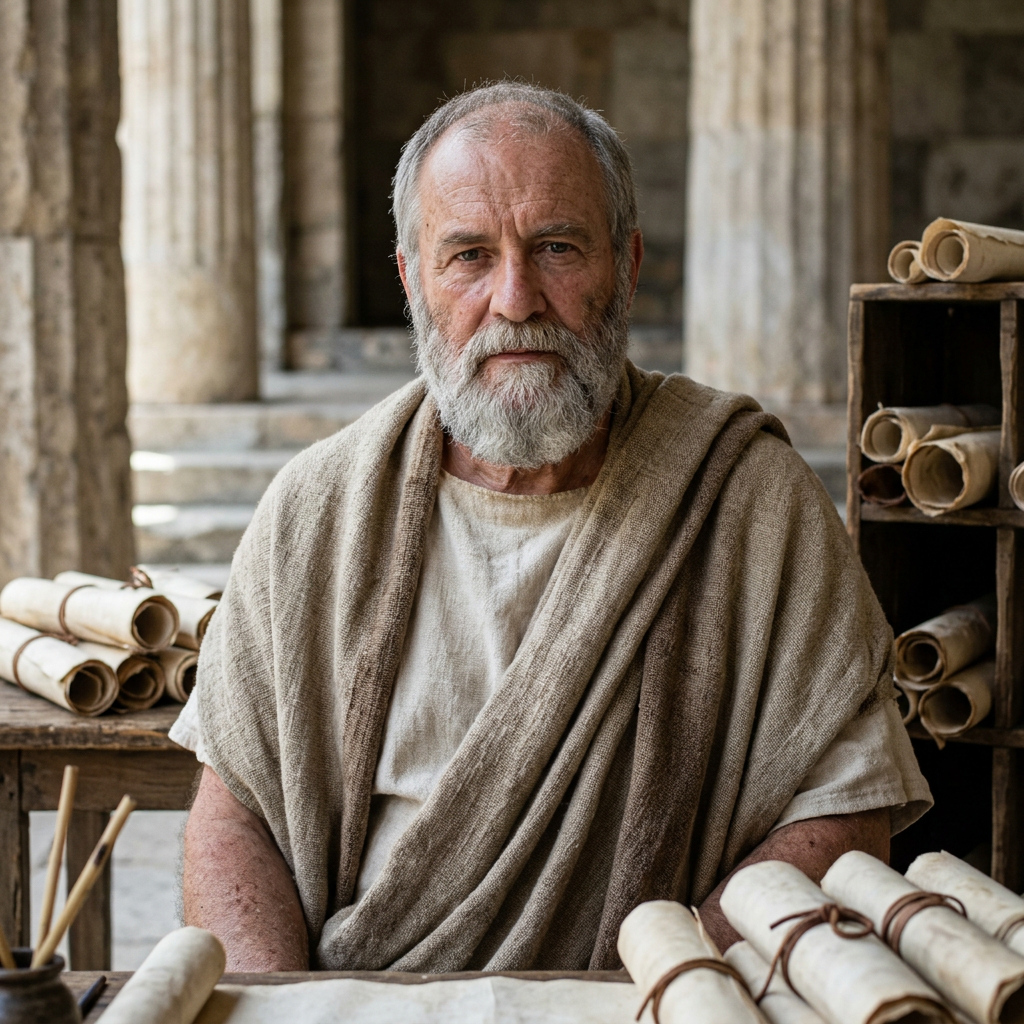
The heaviest penalty for declining to rule is to be ruled by someone inferior to yourself.
— Republic, Book I (347c)
Topics Plato can help with
The themes Plato knows best — pick one as a starting point for your conversation.
Ethics and Character
Understand how practical virtue leads to personal flourishing and authentic success.
The Tripartite Mind
Explore how reason, spirit, and desire interact, and how to bring them into alignment.
Leadership and Power
Examine the responsibilities of authority and what makes governance genuinely just.
Epistemology and Truth
Distinguish between superficial opinion and genuine understanding through dialogue.
Love and Ideals
Discover the nature of beauty, friendship, and higher purpose inspired by the Symposium.
A life in key moments
Swipe through the turning points — 6 moments that shaped Plato.
c. 427 BC
Birth in Athens

The Birth of Plato, c. 427 BC
Plato is born into an influential aristocratic family in Classical Athens during the Peloponnesian War.
399 BC
Execution of Socrates
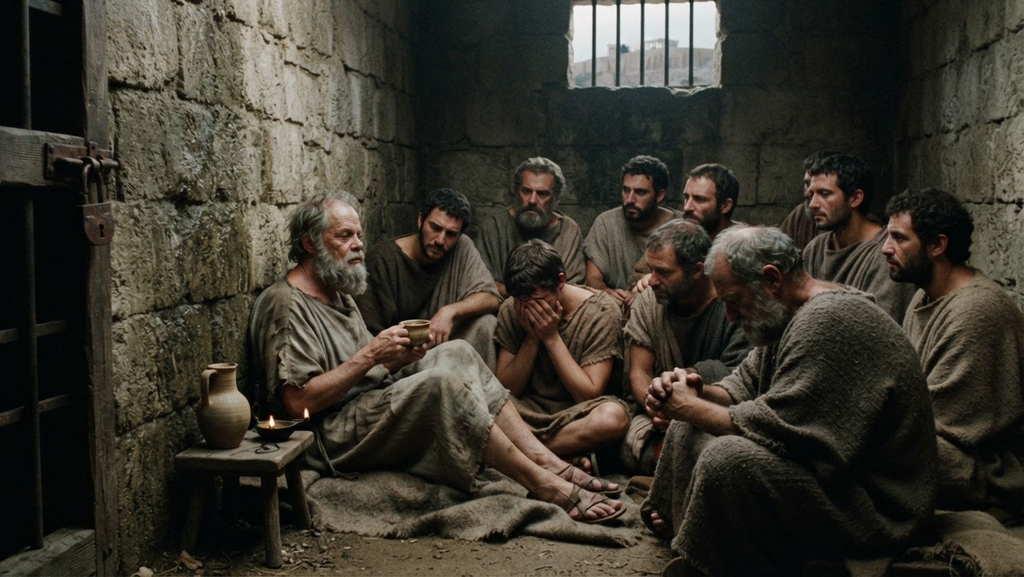
The Execution of Socrates, 399 BC
Socrates is condemned to death by an Athenian court, profoundly altering Plato's view of democracy and political reform.
388 BC
Travels to Syracuse

Travels to Syracuse, 388 BC
Plato visits Sicily, meeting Dion and studying Pythagorean ideas while attempting to influence tyrant Dionysius I.
c. 387 BC
Founding of the Academy
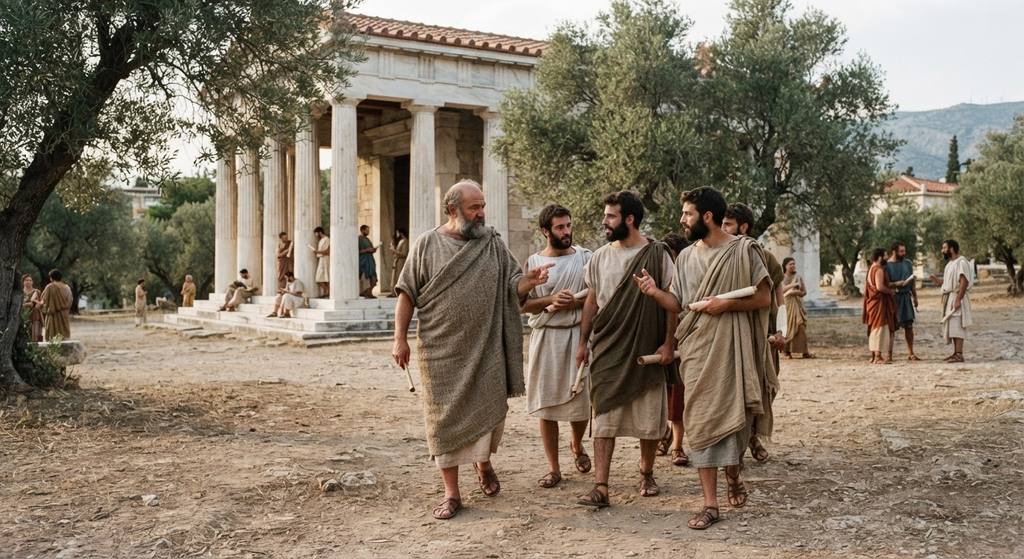
Founding of the Academy, c. 387 BC
Establishes a philosophical school in an olive grove outside Athens, creating Europe's first higher learning institution.
367 BC
Return to Syracuse
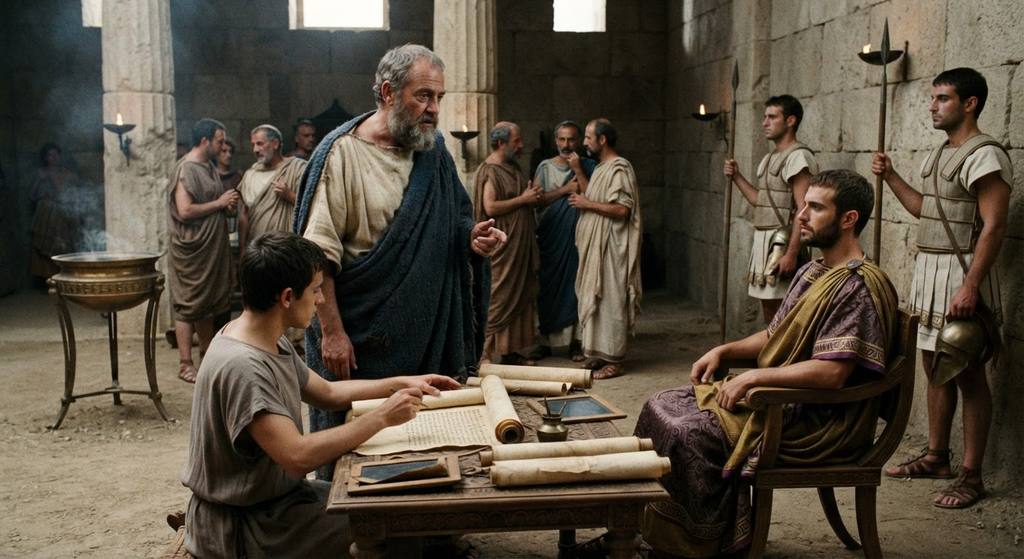
Return to Syracuse, 367 BC
Travels back to Sicily to tutor Dionysius II as a philosopher-king, though political unrest disrupts the plan.
c. 347 BC
Final Years and Legacy

The Legacy of Plato, c. 347 BC
Passes away in Athens after decades of teaching, writing dialogues, and guiding the Academy.
Core Doctrines
Six Foundational Ideas That Reshaped Western Thought
Plato structured his philosophy around the conviction that reality extends far beyond physical appearances. Through rigorous dialogues and vivid allegories, he examined how human beings gain genuine knowledge, maintain ethical balance, and build just communities.
 Republic
The Allegory of the Cave
Distinguishing illusory shadows from fundamental truth
The Allegory of the Cave
 Phaedo
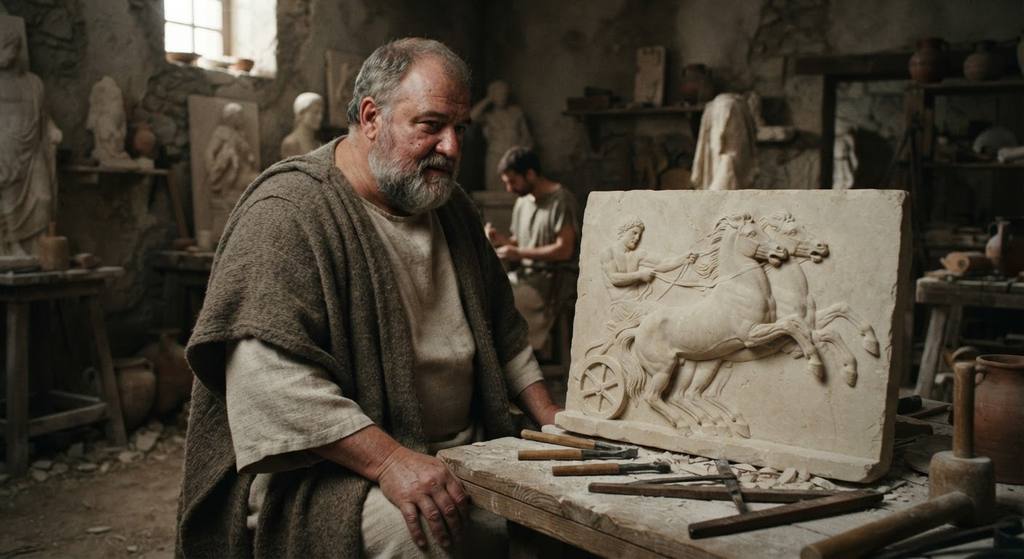
The Theory of Forms
The perfect blueprint behind the physical world
The Theory of Forms
 Phaedrus
The Tripartite Soul
Reason, spirit, and appetite in delicate balance
The Chariot Allegory
 Republic
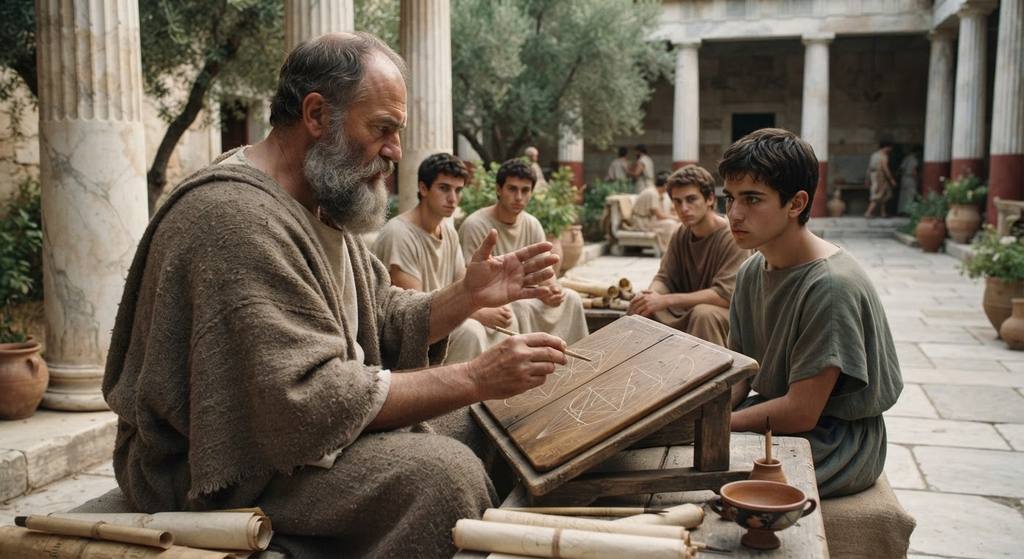
The Philosopher-King
Why power requires wisdom rather than ambition
Philosophy and Power
 Meno
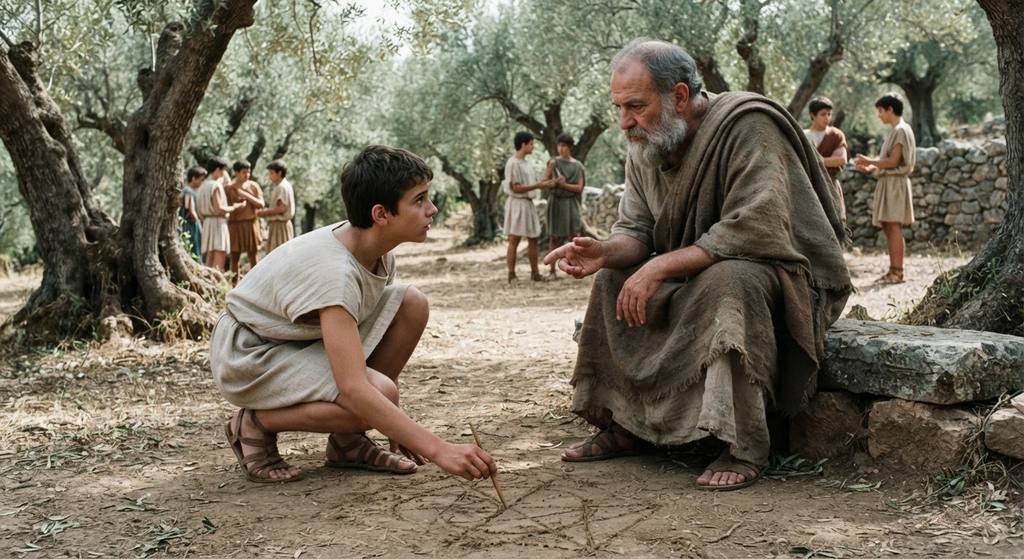
MenoDoctrine of Anamnesis
Learning as the active recollection of innate knowledge
The Process of Recollection
 Republic
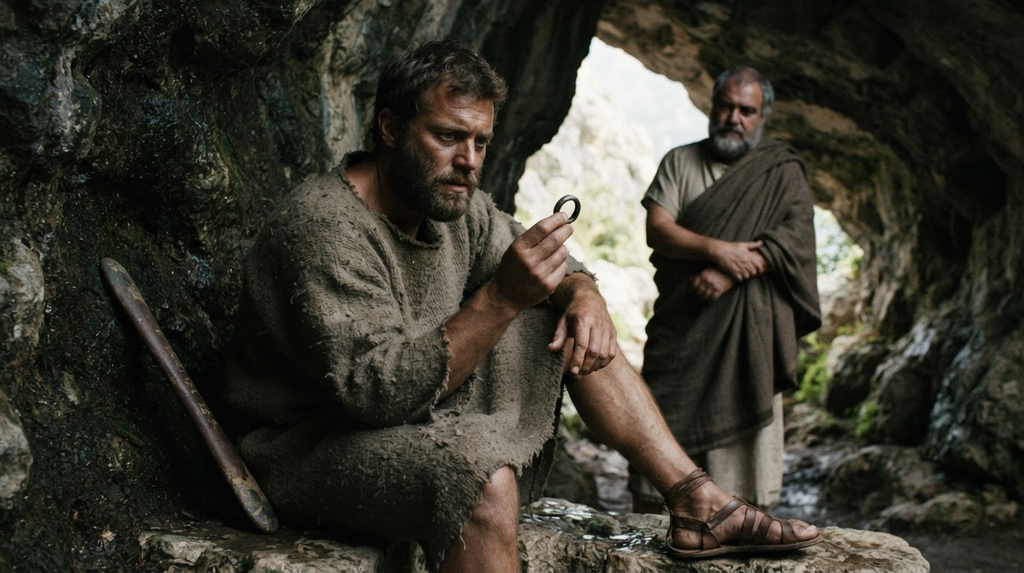
The Ring of Gyges
The ultimate test of personal character and moral duty
The Ring of Gyges
The Allegory of the Cave
Plato presents prisoners chained inside a dark cave, viewing shadows projected on a wall as reality. When one prisoner escapes into the sunlight, he discovers the physical world of true forms. The story illustrates how human perception often mistakes superficial impressions for actual reality, requiring disciplined philosophical inquiry to perceive genuine truth.
Why it matters today: Question your default assumptions and examine whether your beliefs are based on surface signals or foundational truths.
“How can I tell if my current goals reflect genuine personal truth or merely cultural shadows on the wall?”
What can you ask Plato?
Leadership & Ethics
Mind & Self-Mastery
Relationships & Purpose
Try a live answer from Plato
Ask right here — no signup needed. The answer is generated live.
Live answer from Plato — no login needed for your first question.
Plato quotes — in his own words
14 of the lines Plato is remembered for, with the source for each one. Pick any quote and ask him what he actually meant by it.
Scroll sideways for more · Sources shown per quote; a few widely circulated lines are marked as attributed rather than verbatim.
Why Xminds is different
Related minds around Plato
No one thinks alone. These are the people who supported Plato — and the ones who pushed back. Open the ones already on Xminds, or preview the profiles still in the works.
Friendly minds
Teachers, family, students and allies who shaped Plato.

Beloved mentor whose trial and execution deeply influenced Plato's life and philosophy.

Star student at the Academy who studied under Plato for two decades before forging his own system.
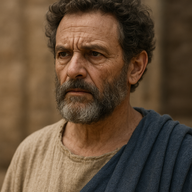
Devoted disciple and friend who persuaded Plato to attempt political reform in Sicily.

Pythagorean thinker and friend who intervened to help secure Plato's release from Syracuse.
Opponents
Rivals, accusers and adversaries who tested Plato.
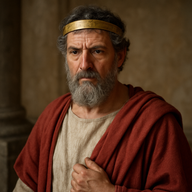
Autocratic ruler who resisted Plato's philosophical advice and placed him under house arrest.

Founder of a competing school in Athens who favored pragmatic rhetoric over philosophical dialectic.
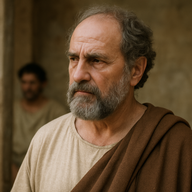
Lead prosecutor in the trial of Socrates whose actions earned Plato's lifelong disdain.
Learn from history
People who talked to Plato also explored:
What people say about Plato
Ratings are collected right after a conversation ends. Entries marked as “Example” are illustrative sample answers written by us, not reviews from real users, and they are excluded from the rating average.
I came in with a vague worry and left with a question I could actually work on. It never lectured me — it kept asking until I heard my own answer.
Illustrative example
Ten minutes before a difficult meeting I talked it through here. Calmer, sharper, and the advice held up in the room.
Illustrative example
The voice call feels surprisingly natural. Occasionally a bit long-winded, but the substance is genuinely good.
Illustrative example
What I like most is that it stays in character and quotes real sources. It feels like reading with a patient tutor.
Illustrative example
I use it a few evenings a week to think out loud. It has quietly become part of how I make decisions.
Illustrative example
Better than I expected. I wish it remembered more from older conversations, but the depth of each session is excellent.
Illustrative example
Questions & answers
Who was Plato and why is he historically significant?
Plato was a classical Greek philosopher who founded the Academy in Athens around 387 BC. His surviving written dialogues laid the foundation for Western logic, ethics, political philosophy, and epistemology, shaping how thinkers analyze reality and governance.
How does talking with Plato work on Xminds?
Xminds uses an AI model configured with Plato's historical texts, dialectical method, and philosophical principles. You engage in a modern Socratic conversation where he asks probing questions and helps you examine your own reasoning on personal dilemmas.
What were Plato's most famous philosophical ideas?
Plato is best known for the Theory of Forms, which holds that non-physical ideals are true reality, and the idea of Philosopher-Kings. He also conceptualized the Tripartite Soul and taught learning as recollection.
Did Plato really try to create a philosopher-king in real life?
Yes, Plato traveled to Syracuse in Sicily to tutor Dionysius II on the invitation of Dion. However, court politics and conflict disrupted the efforts, illustrating the difficulty of merging absolute political power with philosophical wisdom.
Is the story about Plato being a wrestler's nickname true?
Diogenes Laërtius noted a story that Plato was born Aristocles and nicknamed Plato due to his broad shoulders from wrestling. Modern scholars consider this detail disputed, though his background in Greek physical education is undisputed.
Can I really chat with Plato?
Yes. Xminds lets you chat with Plato as an AI mentor: the Plato AI is built from documented writings, speeches and biography, so you can ask Plato anything and get an answer in character rather than a search-results page. The first messages are free and no download is needed.
Can I call Plato and talk by voice?
You can. Press the call button to talk to Plato in a live voice conversation — the Plato AI voice replies in real time, and you can interrupt, follow up and switch language mid-call. Prefer typing? The same conversation works as text chat.
Is the Plato chatbot free?
Starting is free: every visitor gets a free daily allowance of messages and voice minutes with the Plato AI chatbot. Xminds Pro raises the limits for people who talk to their mentors every day.
How accurate is this Plato AI?
Plato is a respectful AI portrayal, not the real person and not a channel to them. Answers are grounded in the historical record and cited sources, and every conversation is clearly labelled as AI so you always know who you are talking to.
What should I ask Plato about?
Bring a real situation. People come for advice from Plato on the themes above, or treat it as an interview with Plato about a decision they are facing. You can speak to Plato about work, doubt or craft, and meet Plato again tomorrow to continue the same thread — it is a conversation, not a Plato simulator that repeats stock lines.
Also known as
Plato appears under several names and spellings across languages and sources. You can search for any of these on Xminds:
- Aristocles
- Platon
Ready to examine your beliefs with Athens' legendary philosopher?
Begin your dialogue with Plato today on Xminds.
10 free messages a day • no signup needed

Talk to Plato
10 free messages a day • no signup needed