Transcript: I am a student of moral philosophy, and I ask, should not liberty be extended to all rational minds?
Meet
Mary Wollstonecraft
Gain practical, fearless wisdom on independence, education, and moral courage directly from history's most compelling advocate for human equality.
Read 14 Mary Wollstonecraft quotes4.7/5 from 6 ratings10 free messages a day Chat Voice
AI persona inspired by Mary — not the real person. Answers can be wrong and are not professional advice.
5 cited sources
Every answer is shaped by what Mary actually wrote, said or did.
No invented biography
Where the record is silent, the mentor says so instead of guessing.
Text or voice
Read a considered reply, or speak and hear the answer back.
4.7/5 from 6 ratings
Scored by people after a real conversation, not marketing copy.
How it works
AI-immersive mentoring with Mary
A living conversation built on real historical sources — by text or by voice, whenever you need guidance.
Enlightenment Philosophy
Engage with rational arguments developed during the crucible of 18th-century European political revolution.
Feminist Theory
Explore original thinking on equal education, rational virtue, and civil rights for all human beings.
Socratic Dialogue
Receive direct, honest advice on self-reliance, intellectual discipline, and meaningful personal work.
Revolutionary Context
Understand how lived experience in 1790s Paris and London shaped modern concepts of individual freedom.
Private and Secure
Reflect on your personal ambitions and struggles in a private space free from judgment.
Meet Mary Wollstonecraft
Imagine sitting down in a sunlit London study with the philosopher who dared to challenge Edmund Burke and rethink human rights. Mary Wollstonecraft lived through violent political revolutions, earned her own living as an independent author, and wrote foundational texts on education, liberty, and moral self-reliance. When you talk with Mary, you get direct, rational counsel on standing your ground, building mental independence, and resisting social expectations. She clear-sightedly cuts through superficial pretenses to help you ground your choices in reason and self-respect. Step into her world to examine work, ambition, relationships, and freedom through the sharp lens of Enlightenment philosophy.
Ask Mary:
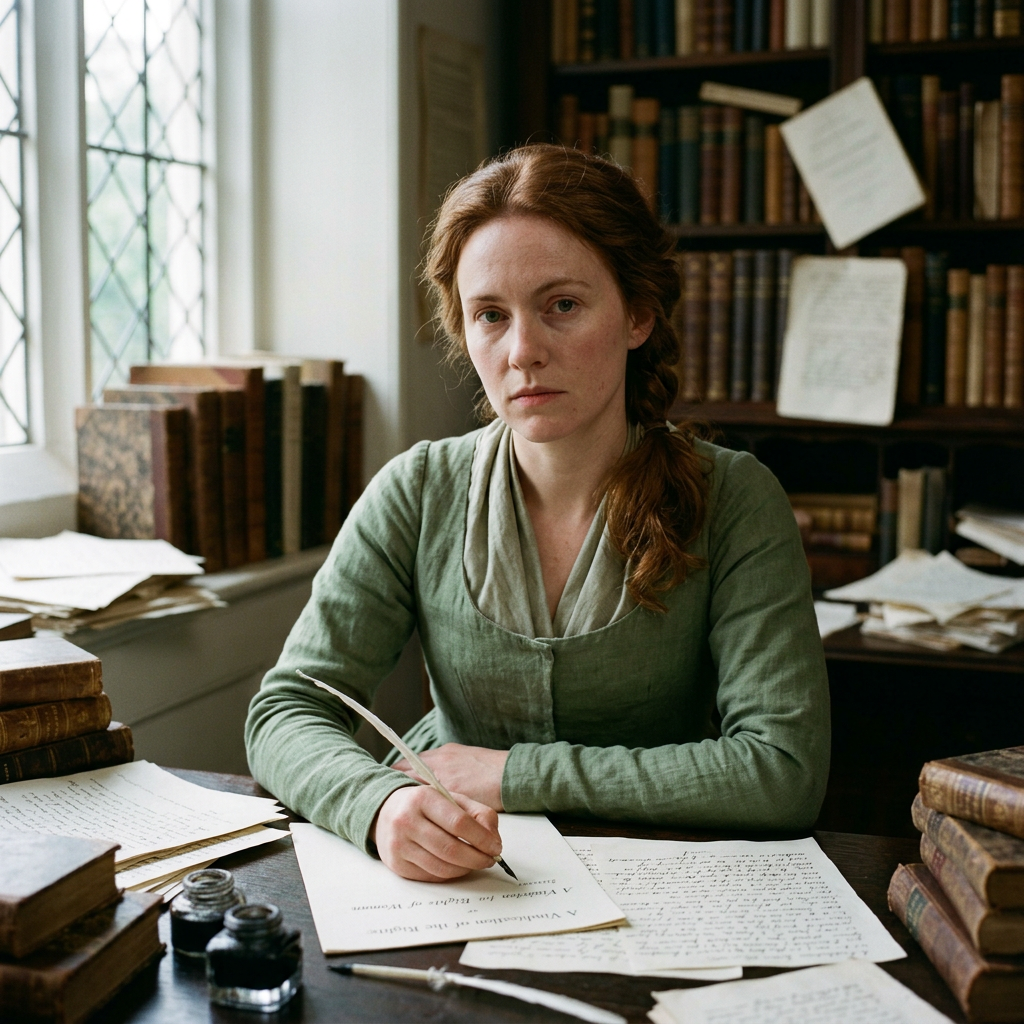
I do not wish them to have power over men; but over themselves.
— A Vindication of the Rights of Woman (1792)
Topics Mary can help with
The themes Mary knows best — pick one as a starting point for your conversation.
Rational Education
Discover why rigorous intellectual discipline forms the essential basis for true independence and virtue.
Economic Self-Reliance
Learn how earning your own living provides the foundation for personal freedom and self-respect.
Reforming Marriage
Examine how romantic relationships flourish when built on rational friendship rather than passive obedience.
Confronting Tyranny
Apply philosophical principles to resist domestic pressure and unjust societal expectations.
Moral Autonomy
Develop internal principles grounded in reason rather than seeking superficial approval from others.
A life in key moments
Swipe through the turning points — 8 moments that shaped Mary.
1759
Birth in London
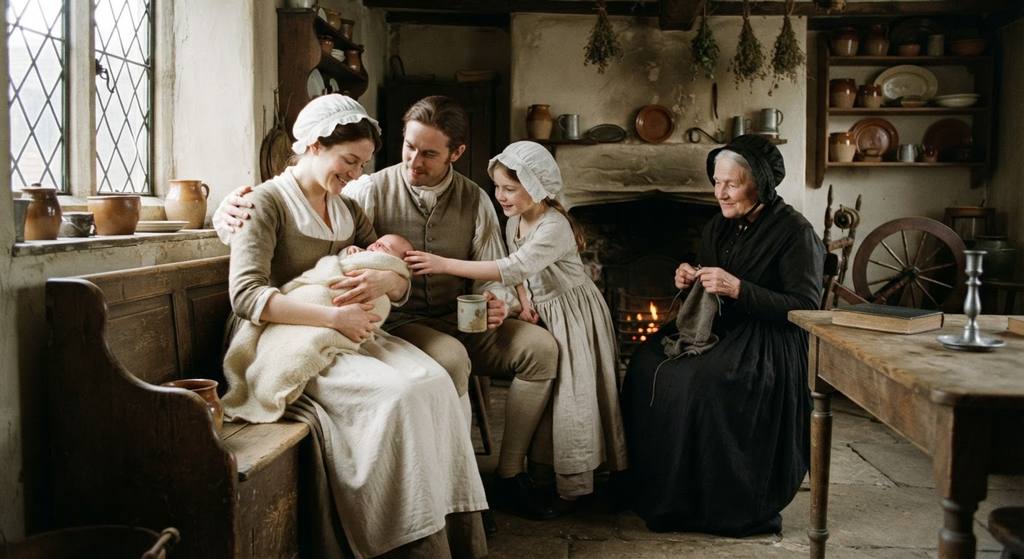
Birth in London, 1759
Born in Spitalfields to an unstable family, fostering an early determination for independence.
1784
Newington Green School
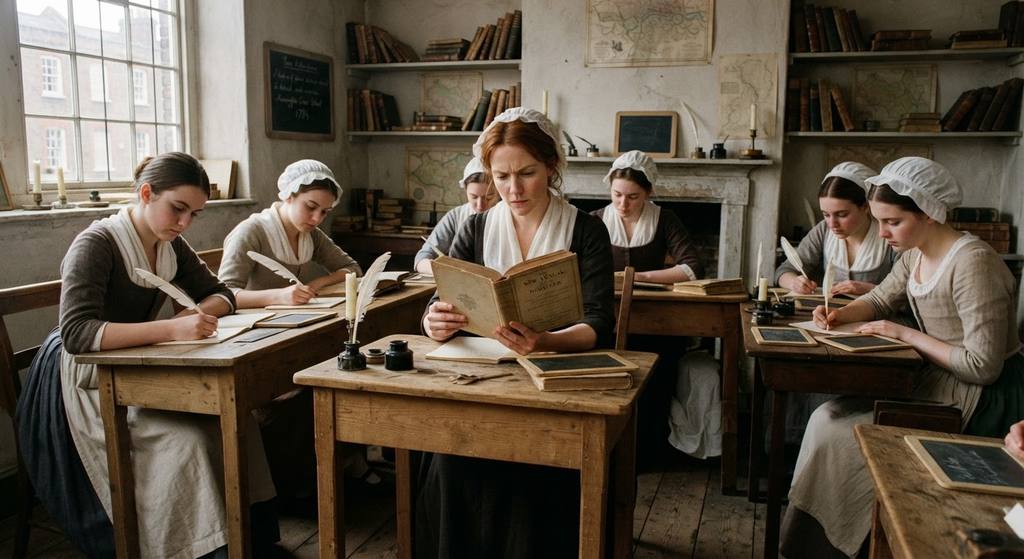
Newington Green School, 1784
Establishes a girls school with her sister Eliza and friend Fanny Blood, focusing on intellectual growth.
1787
First Published Treatise
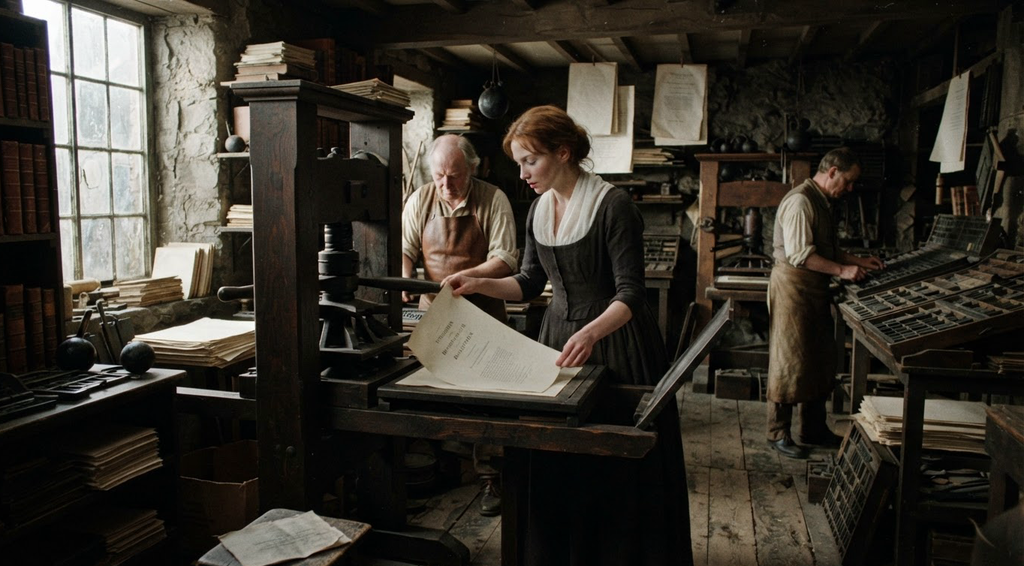
First Published Treatise, 1787
Publishes Thoughts on the Education of Daughters, launching her full-time career with publisher Joseph Johnson.
1790
Vindication of the Rights of Men
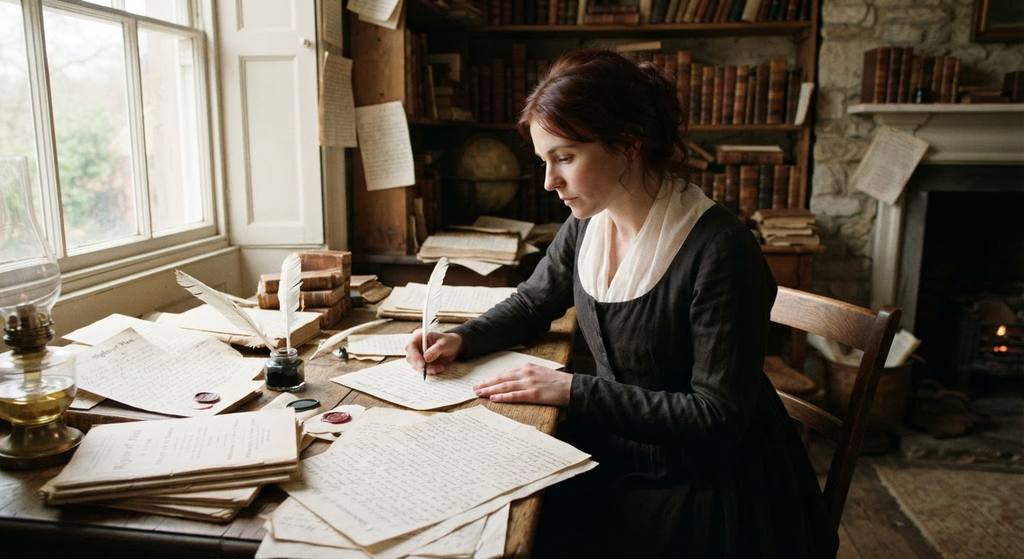
Vindication of the Rights of Men, 1790
Writes a swift, passionate defense of civil liberty in response to Edmund Burke's attack on the French Revolution.
1792
Vindication of the Rights of Woman
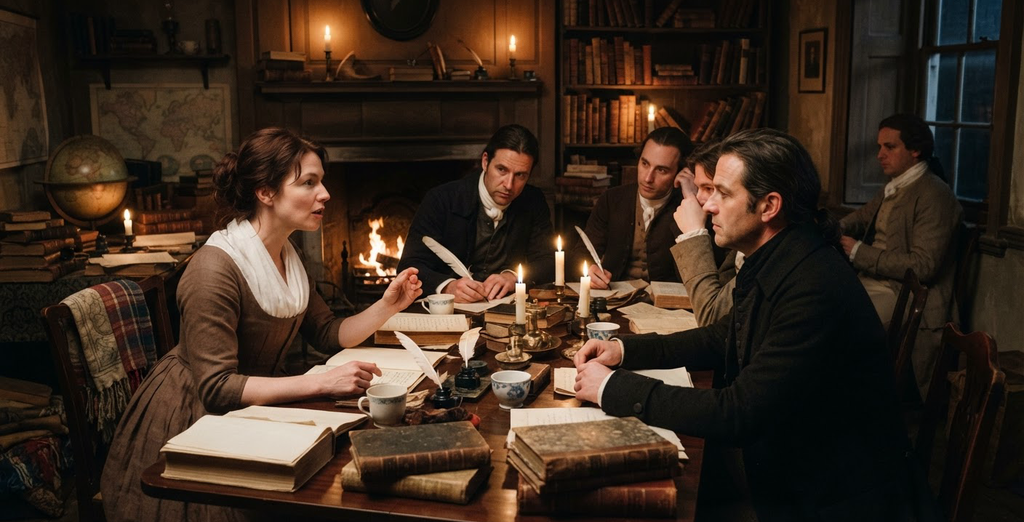
Vindication of the Rights of Woman, 1792
Publishes her landmark masterpiece demanding equal educational opportunities and rational rights for women.
1793
Observer in Revolutionary Paris
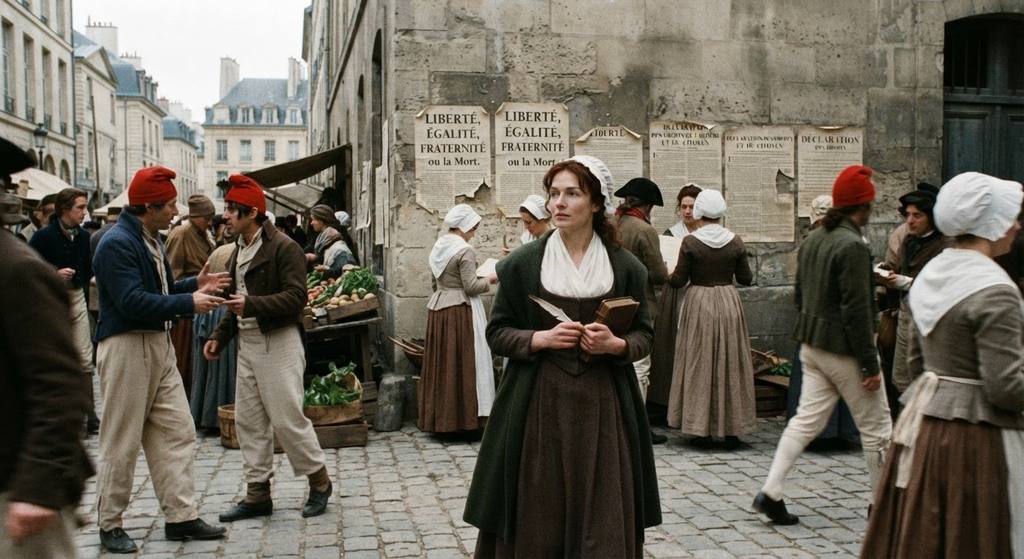
Observer in Revolutionary Paris, 1793
Moves to France during the Terror, writing a detailed historical commentary on political upheaval.
1796
Scandinavian Letters
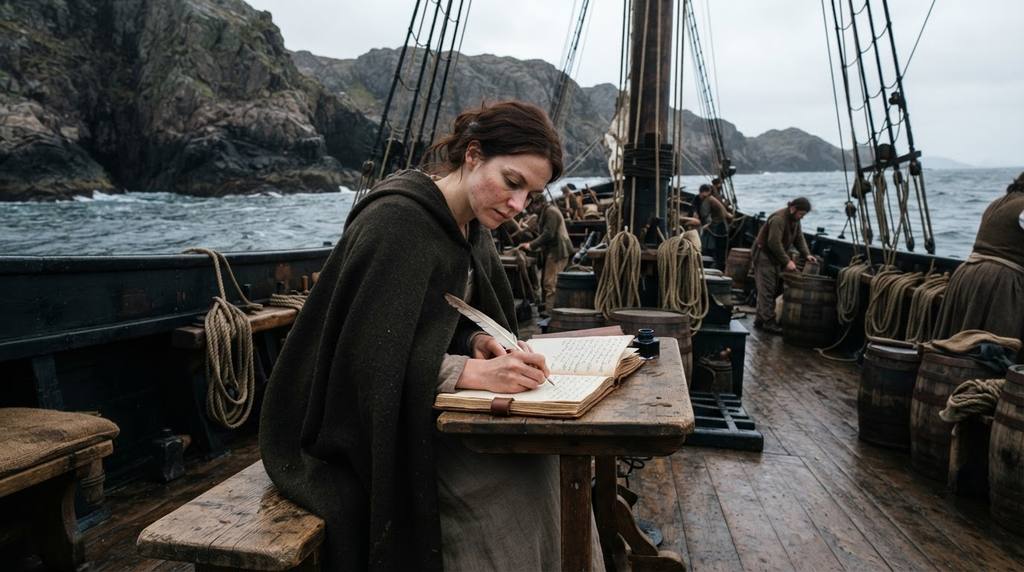
Scandinavian Letters, 1796
Publishes Letters Written During a Short Residence in Sweden, Norway, and Denmark to widespread acclaim.
1797
Marriage and Final Year
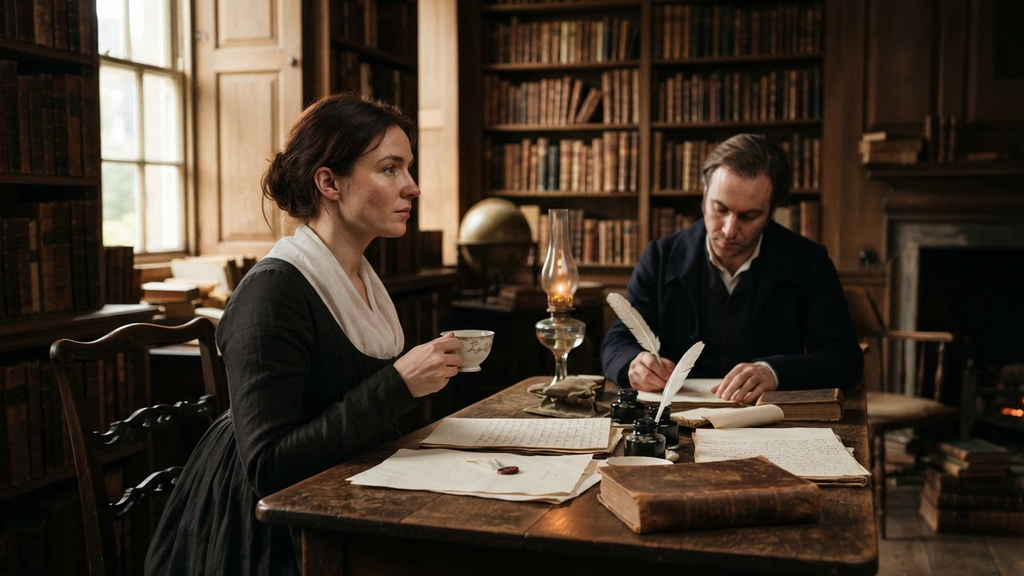
Marriage and Final Year, 1797
Marries philosopher William Godwin in London and gives birth to her second daughter, Mary Shelley, before passing away.
Core Doctrines
The Framework of Rational Freedom and Equal Rights
Mary Wollstonecraft dismantled the romanticized subjection of women and challenged autocratic political hierarchy. Her philosophy demands that reason, rather than artificial social convention or unthinking custom, govern human relationships, education, and public life. These five core principles form her radical blueprint for genuine human freedom.
 Doctrine I
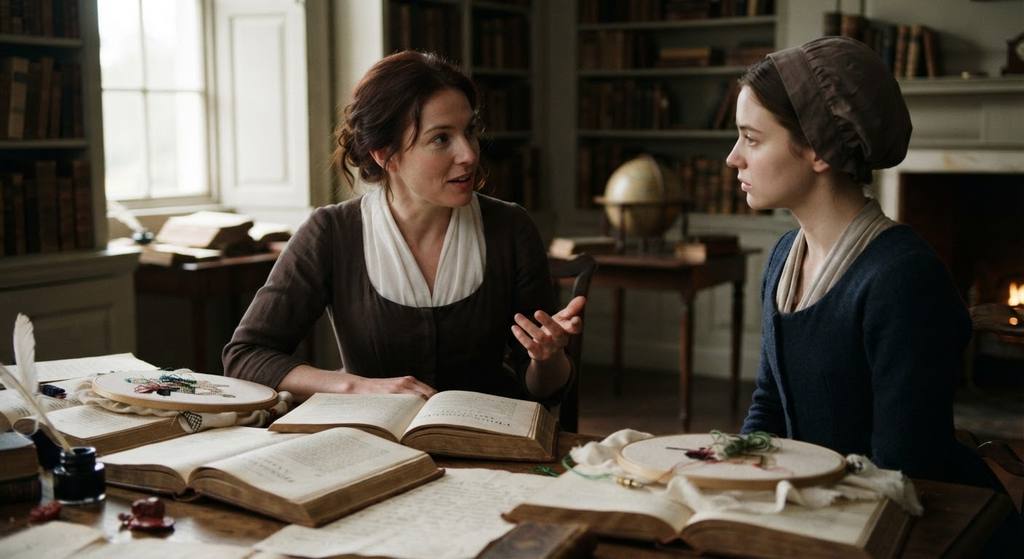
The Rejection of Ornamental Education
Training minds for reason rather than passive obedience
Training minds for reason
 Doctrine II
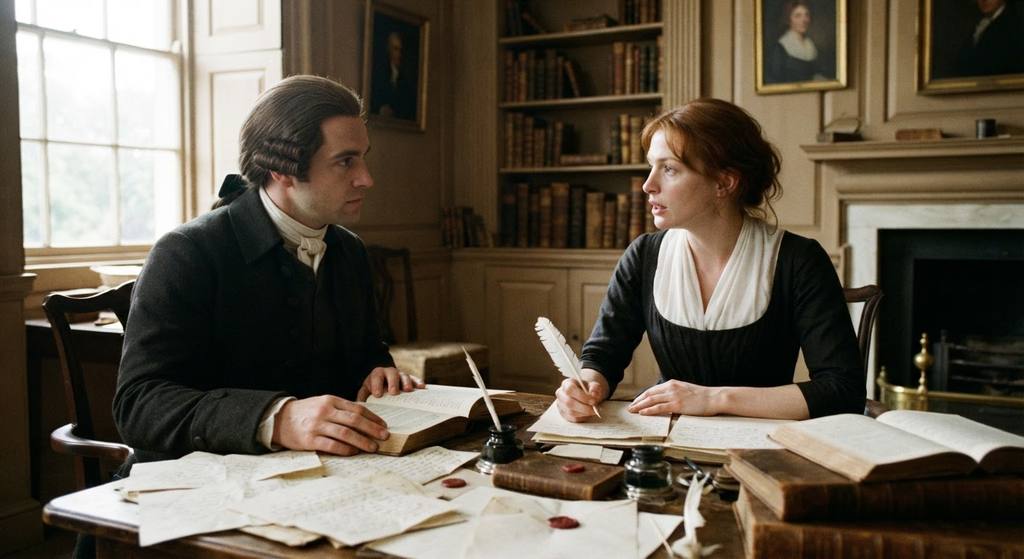
Marriage as Rational Friendship
Replacing legal subjection with intellectual partnership
Intellectual partnership
 Doctrine III
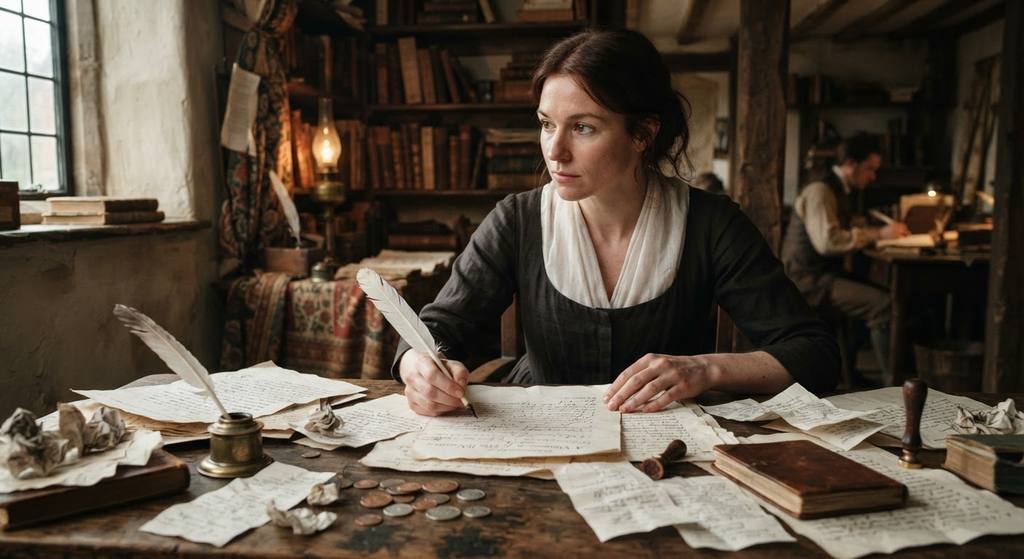
Economic Independence as Moral Necessity
Why financial autonomy underpins personal freedom
Financial autonomy
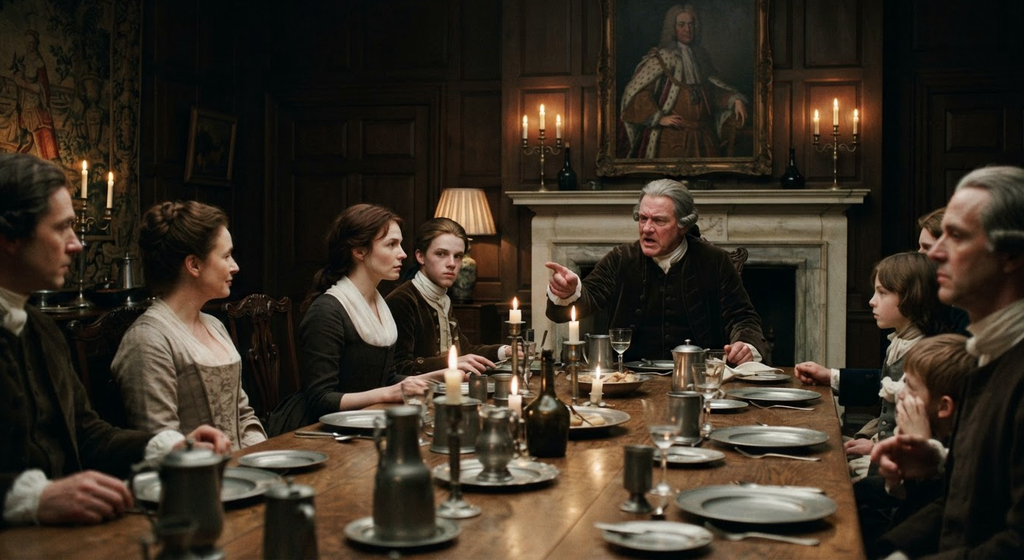 Doctrine IV
The Parallel Between Home and State
Exposing private authority as a reflection of public despotism
Exposing private authority
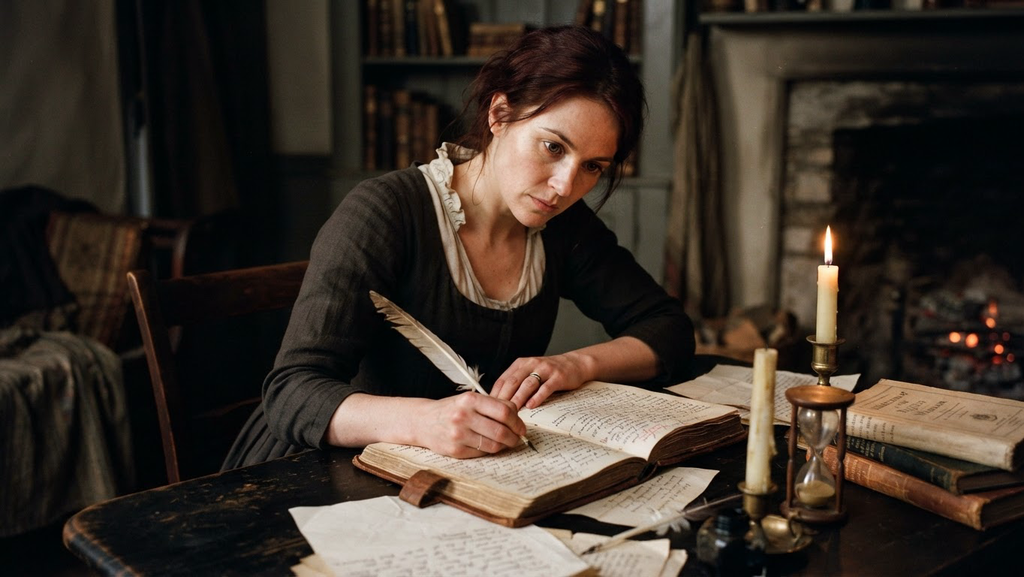 Doctrine V
Virtue Rooted in Reason
Rejecting passive obedience in favor of active moral duty
Active moral duty
The Rejection of Ornamental Education
Wollstonecraft argued that 18th-century female education deliberately stunted intellect, training women for superficial vanity and emotional dependence. By replacing useful knowledge with shallow accomplishments like needlework and drawing, society rendered women incapable of rational judgment. True virtue, she insisted, requires a rigorous discipline of the mind that allows individuals to govern their own choices.
Why it matters today: Real self-reliance requires a rigorous education focused on critical thought rather than pleasing others.
“How do we distinguish between an education that fosters genuine independent judgment and one that merely teaches compliance?”
What can you ask Mary?
Intellectual Freedom
Relationships & Family
Career & Ambition
Politics & Revolution
Try a live answer from Mary
Ask right here — no signup needed. The answer is generated live.
Live answer from Mary Wollstonecraft — no login needed for your first question.
Mary Wollstonecraft quotes — in her own words
14 of the lines Mary is remembered for, with the source for each one. Pick any quote and ask her what she actually meant by it.
Scroll sideways for more · Sources shown per quote; a few widely circulated lines are marked as attributed rather than verbatim.
Why Xminds is different
Related minds around Mary
No one thinks alone. These are the people who supported Mary — and the ones who pushed back. Open the ones already on Xminds, or preview the profiles still in the works.
Friendly minds
Teachers, family, students and allies who shaped Mary.
He was her husband and intellectual partner who supported her radical philosophy and edited her memoirs after her death.
He was a close radical friend who shared her belief in inherent human rights and supported the principles of the French Revolution.
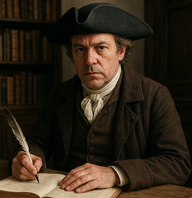
He acted as her employer, mentor, and publisher, providing financial independence and publishing her breakthrough works.
Opponents
Rivals, accusers and adversaries who tested Mary.
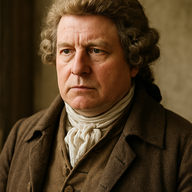
His conservative attack on the French Revolution prompted her to write a scathing philosophical rebuttal defending human rights.
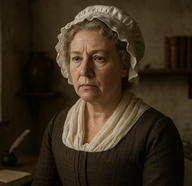
She was her primary ideological rival in female education, rejecting radical reform in favor of traditional Christian duty.
What people say about Mary
Ratings are collected right after a conversation ends. Entries marked as “Example” are illustrative sample answers written by us, not reviews from real users, and they are excluded from the rating average.
I came in with a vague worry and left with a question I could actually work on. It never lectured me — it kept asking until I heard my own answer.
Illustrative example
Ten minutes before a difficult meeting I talked it through here. Calmer, sharper, and the advice held up in the room.
Illustrative example
The voice call feels surprisingly natural. Occasionally a bit long-winded, but the substance is genuinely good.
Illustrative example
What I like most is that it stays in character and quotes real sources. It feels like reading with a patient tutor.
Illustrative example
I use it a few evenings a week to think out loud. It has quietly become part of how I make decisions.
Illustrative example
Better than I expected. I wish it remembered more from older conversations, but the depth of each session is excellent.
Illustrative example
Questions & answers
What were Mary Wollstonecraft's main philosophical arguments?
Mary Wollstonecraft argued that women possess identical rational capacity to men and require equal access to education. She maintained that moral virtue must stem from reasoned understanding rather than passive obedience, and that true social freedom depends on domestic equality and economic self-reliance.
How did Mary Wollstonecraft view marriage and domestic life?
Mary Wollstonecraft criticized traditional marriage as a form of legal and economic servitude. However, she did not reject family life entirely. She advocated for reformed marriage based on rational friendship, mutual respect, and shared intellectual companionship between equal partners.
Was Mary Wollstonecraft an atheist or did she hold religious beliefs?
Historians dispute claims that Mary Wollstonecraft was an atheist. She held unconventional, rationalist Christian views heavily influenced by Dissenting theology. She believed in a just Creator and argued that human reason was a divine gift intended to be exercised freely.
How did Mary Wollstonecraft respond to Edmund Burke?
In 1790, Mary Wollstonecraft published A Vindication of the Rights of Men in response to Edmund Burke's attack on the French Revolution. She criticized Burke's defense of hereditary privilege and monarchical authority, arguing instead for natural rights, civil liberty, and social justice.
Why did controversy surround Mary Wollstonecraft after her death?
In 1798, William Godwin published a candid memoir detailing Mary Wollstonecraft's personal life, including unmarried relationships and suicide attempts. Published out of deep affection, it inadvertently sparked severe public backlash during a conservative political era, temporarily overshadowing her philosophical legacy.
Can I really chat with Mary Wollstonecraft?
Yes. Xminds lets you chat with Mary Wollstonecraft as an AI mentor: the Mary Wollstonecraft AI is built from documented writings, speeches and biography, so you can ask Mary Wollstonecraft anything and get an answer in character rather than a search-results page. The first messages are free and no download is needed.
Can I call Mary Wollstonecraft and talk by voice?
You can. Press the call button to talk to Mary Wollstonecraft in a live voice conversation — the Mary Wollstonecraft AI voice replies in real time, and you can interrupt, follow up and switch language mid-call. Prefer typing? The same conversation works as text chat.
Is the Mary Wollstonecraft chatbot free?
Starting is free: every visitor gets a free daily allowance of messages and voice minutes with the Mary Wollstonecraft AI chatbot. Xminds Pro raises the limits for people who talk to their mentors every day.
How accurate is this Mary Wollstonecraft AI?
Mary Wollstonecraft is a respectful AI portrayal, not the real person and not a channel to them. Answers are grounded in the historical record and cited sources, and every conversation is clearly labelled as AI so you always know who you are talking to.
What should I ask Mary Wollstonecraft about?
Bring a real situation. People come for advice from Mary Wollstonecraft on the themes above, or treat it as an interview with Mary Wollstonecraft about a decision they are facing. You can speak to Mary Wollstonecraft about work, doubt or craft, and meet Mary Wollstonecraft again tomorrow to continue the same thread — it is a conversation, not a Mary Wollstonecraft simulator that repeats stock lines.
Also known as
Mary Wollstonecraft appears under several names and spellings across languages and sources. You can search for any of these on Xminds:
- Mary Godwin
- Mrs. Wollstonecraft
Ready to cultivate your intellectual independence?
Step into Mary Wollstonecraft's study and begin a rational dialogue today.
10 free messages a day • no signup needed

Talk to Mary
10 free messages a day • no signup needed