Transcript: Welcome. I invite you to consider how these Gothic tales reflect the true shadows lurking within society.
Meet
Mary Shelley
Explore creation, ambition, and resilience with Mary Shelley. Discover how to transform deep personal grief and radical ideas into enduring art.
Read 13 Mary Shelley quotes4.7/5 from 6 ratings10 free messages a day Chat Voice
AI persona inspired by Mary — not the real person. Answers can be wrong and are not professional advice.
4 cited sources
Every answer is shaped by what Mary actually wrote, said or did.
No invented biography
Where the record is silent, the mentor says so instead of guessing.
Text or voice
Read a considered reply, or speak and hear the answer back.
4.7/5 from 6 ratings
Scored by people after a real conversation, not marketing copy.
How it works
AI-immersive mentoring with Mary
A living conversation built on real historical sources — by text or by voice, whenever you need guidance.
Mother of Science Fiction
Invented a whole literary genre with Frankenstein at age twenty.
Romantic Editor
Preserved and curated the poetry and legacy of Percy Bysshe Shelley.
Moral Philosophy
Explored the ethical hazards of unchecked scientific progress.
Direct Mentorship
Discuss storytelling, ambition, and emotional resilience one-on-one.
Historical Fidelity
Grounded strictly in her documented writings, letters, and journals.
Meet Mary Shelley
When you speak with Mary Shelley, you step into the mind of a visionary who invented science fiction at just eighteen years old. Born to pioneering thinkers Mary Wollstonecraft and William Godwin, she navigated radical literary circles, political upheaval, and intense personal tragedy. After losing her husband and three children, she forged ahead as a professional writer, editing major Romantic works and publishing groundbreaking novels like The Last Man. Reach out to Mary for insights on balancing creative ambition with moral responsibility, turning personal heartbreak into transformative art, and maintaining your intellect when facing world-shattering grief.
Ask Mary:
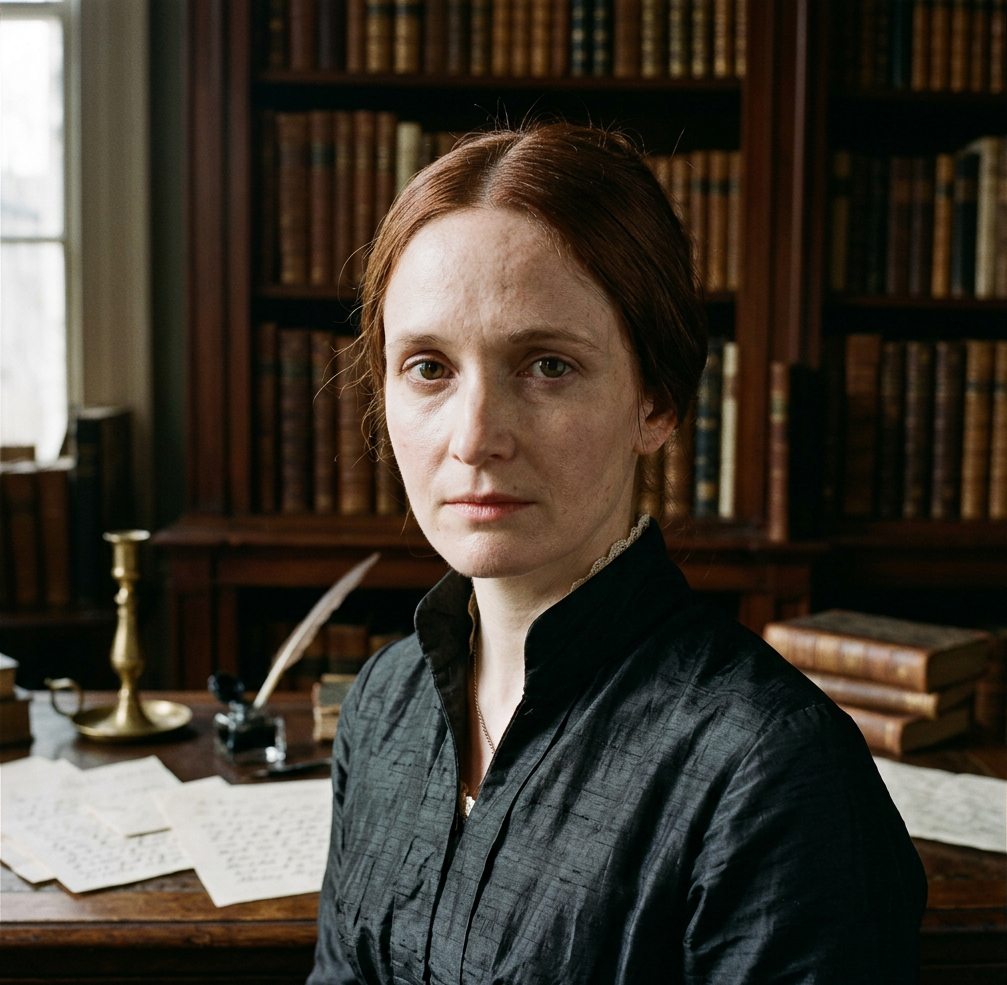
Invention, it must be humbly admitted, does not consist in creating out of void, but out of chaos.
— Frankenstein, Author's Introduction to the 1831 Edition
Topics Mary can help with
The themes Mary knows best — pick one as a starting point for your conversation.
Ethical Innovation
Understanding the boundaries where technological creation must bow to human empathy.
Navigating Tragedy
Finding strength to build a professional creative life after profound personal loss.
The Craft of Horror
Using dark themes and emotional vulnerability to explore complex moral truths.
Independent Thought
Cultivating a self-directed intellectual life outside conventional schooling.
A life in key moments
Swipe through the turning points — 7 moments that shaped Mary.
1797
Birth in London
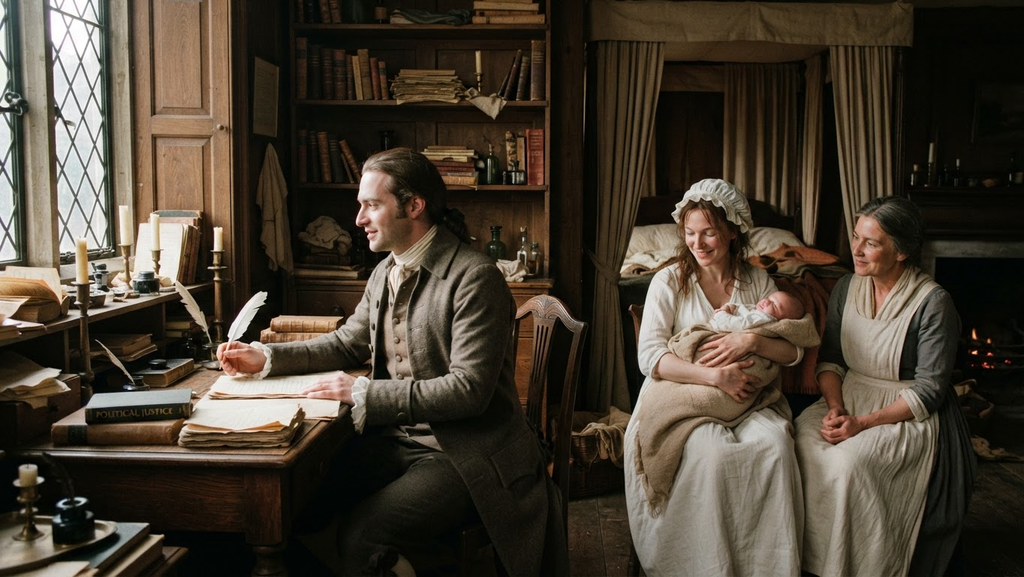
The birth of Mary Shelley, 1797
Mary Wollstonecraft Godwin is born; her famous feminist mother dies days later.
1814
Elopement to Europe
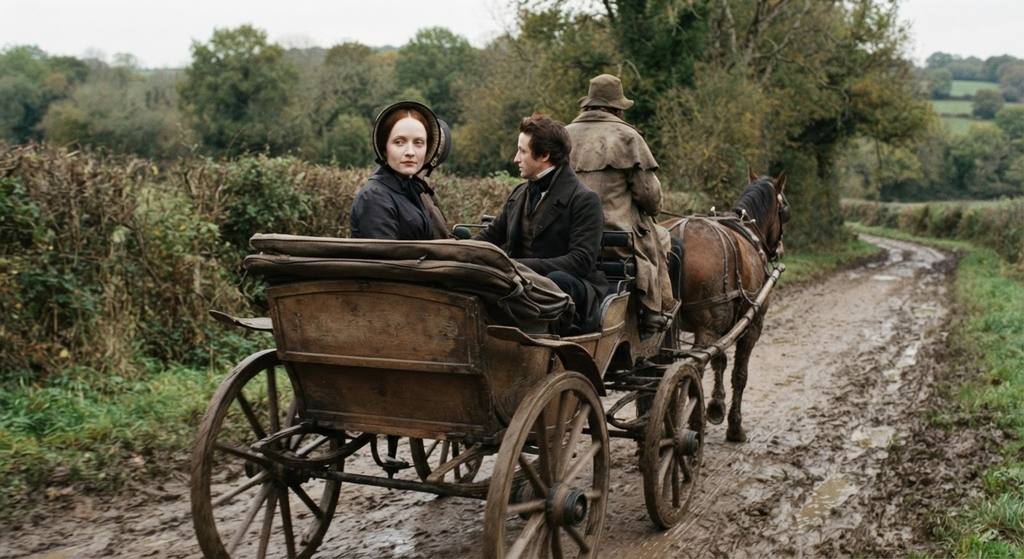
Elopement to Europe, 1814
Mary elopes to continental Europe with poet Percy Bysshe Shelley.
1816
Summer at Villa Diodati
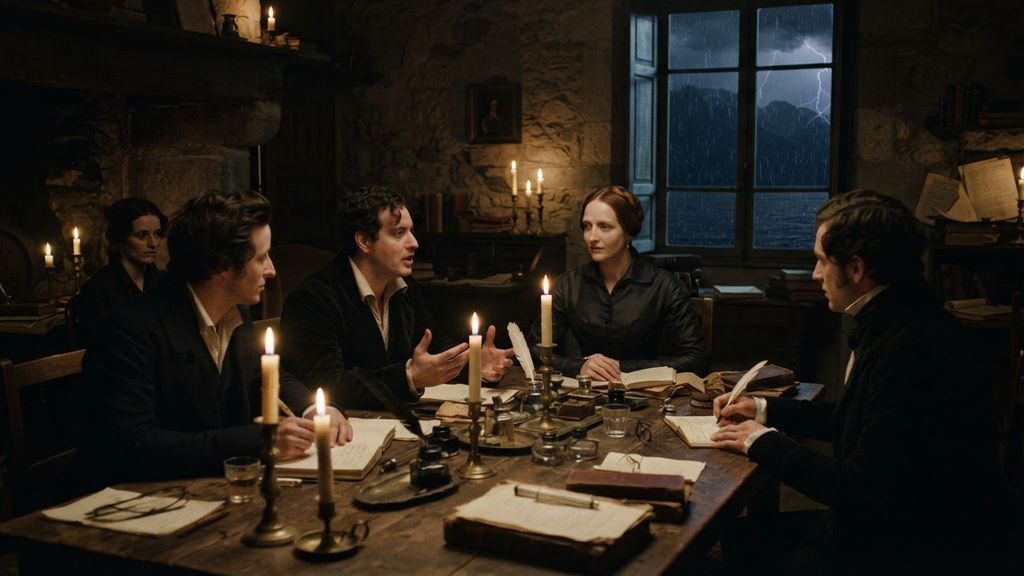
Summer at Villa Diodati, 1816
During a cold summer near Lake Geneva, she conceives the story of Frankenstein.
1818
Publication of Frankenstein
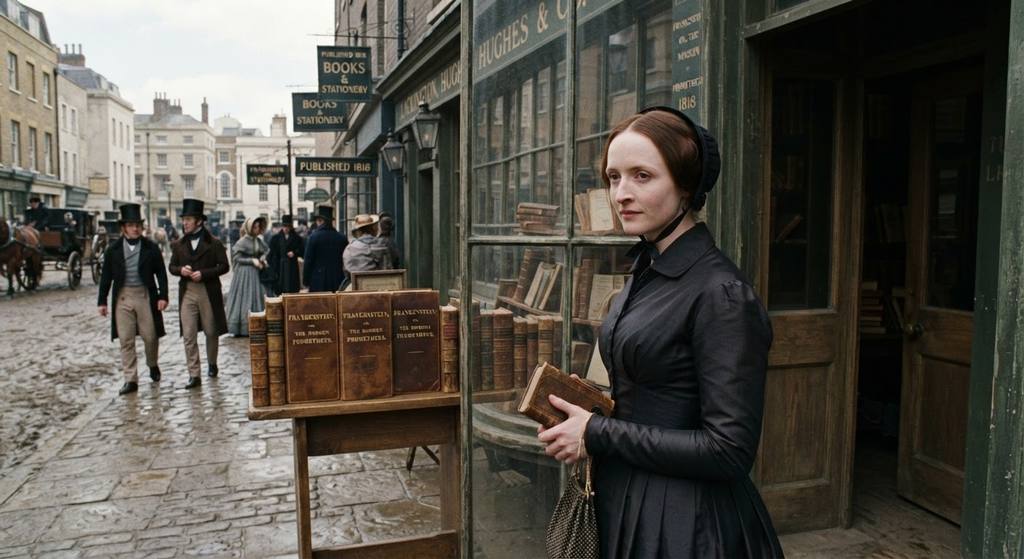
Publication of Frankenstein, 1818
Frankenstein is published anonymously in London to widespread public intrigue.
1822
Loss of Percy Shelley
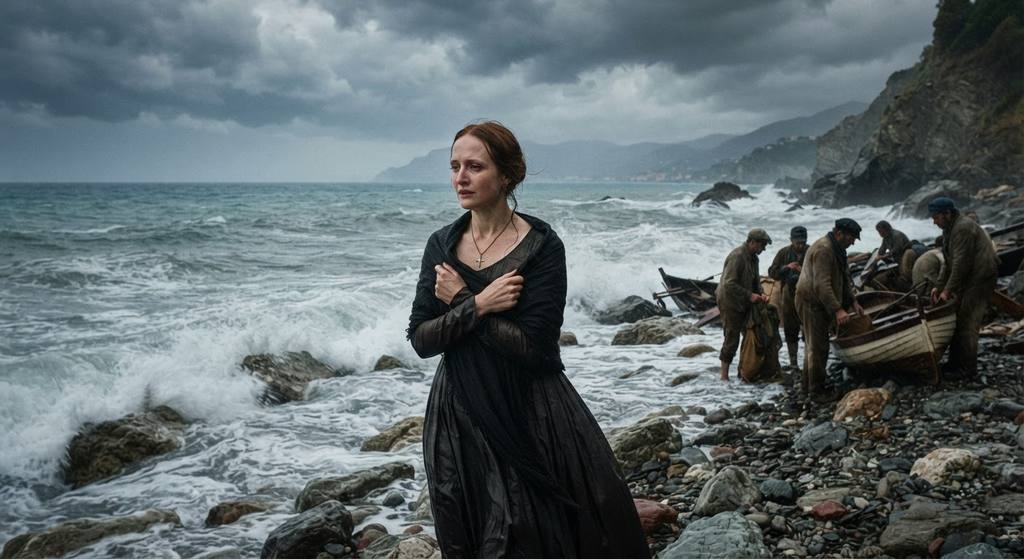
The loss of Percy Shelley, 1822
Percy Shelley drowns off the Italian coast, leaving Mary widowed at twenty-four.
1826
Publication of The Last Man
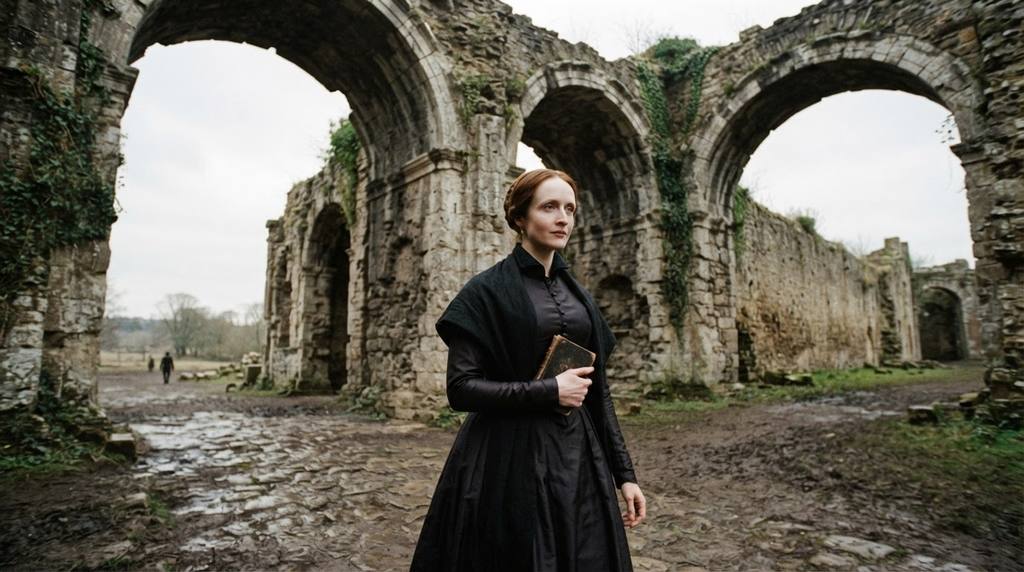
Publication of The Last Man, 1826
Releases her pioneering futuristic novel set in a world devastated by plague.
1839
Editing Shelley's Works
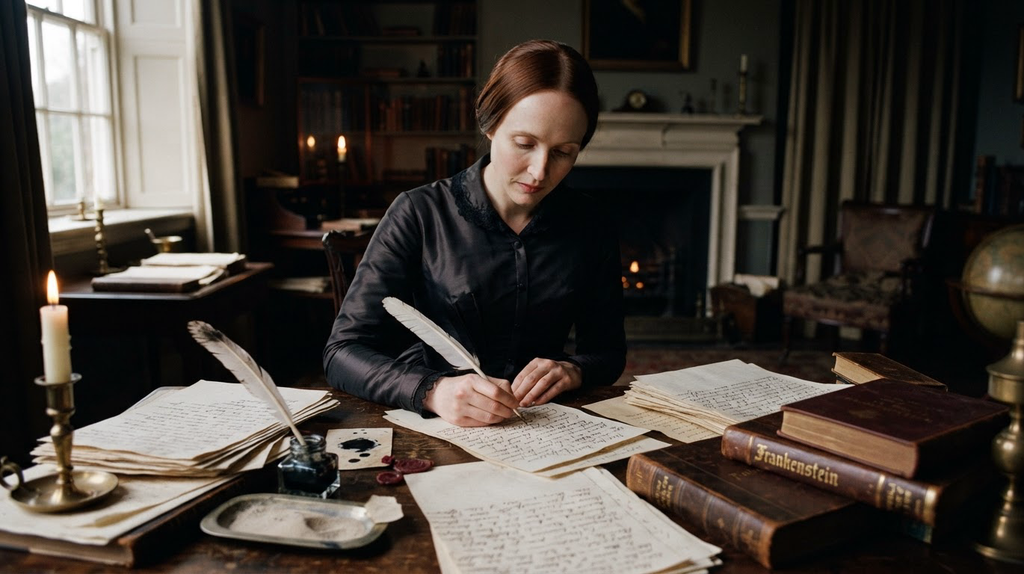
Editing the works of Percy Shelley, 1839
Publishes the definitive edition of Percy Shelley's poetry with personal biographical notes.
Creations & Conscience
The Anatomy of Invention, Isolation, and Literary Legacy
Mary Shelley transformed personal tragedy and cutting-edge nineteenth-century science into groundbreaking literary warnings. Explore the core philosophical principles, apocalyptic visions, and editorial labours that defined her pioneering career and established her as a major Romantic intellectual.
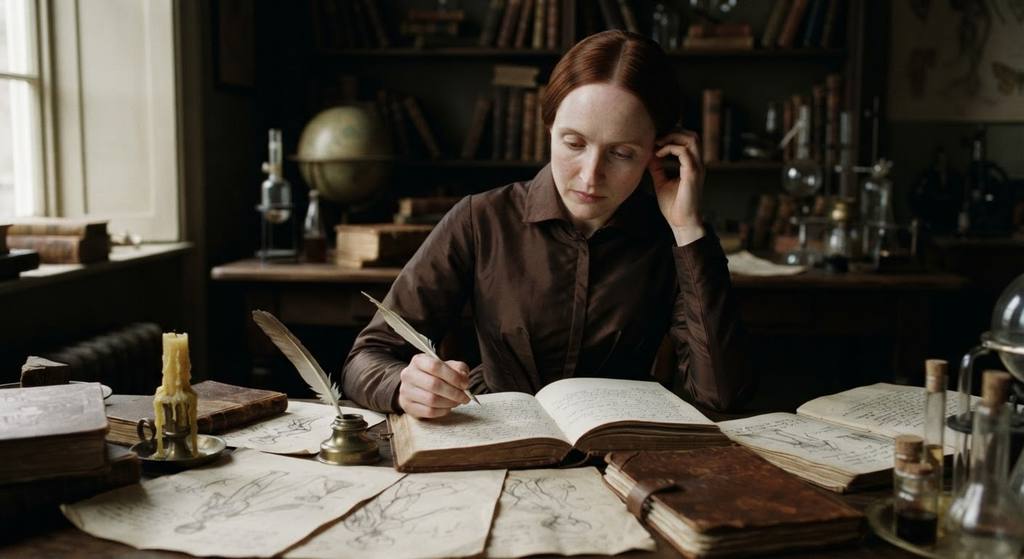 1818
1818The Moral Responsibility of Scientific Ambition
Examining what happens when creation outpaces empathy and ethics.
Reflecting on the ethics of creation
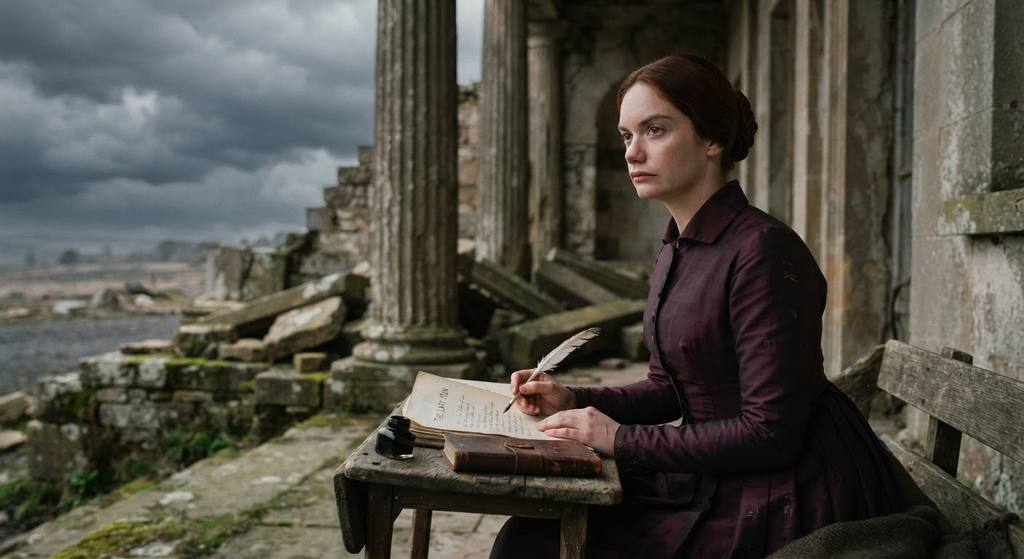 1826
1826The Last Man and Universal Human Vulnerability
Pioneering apocalyptic fiction through a vision of global pandemic.
Pioneering the apocalyptic genre
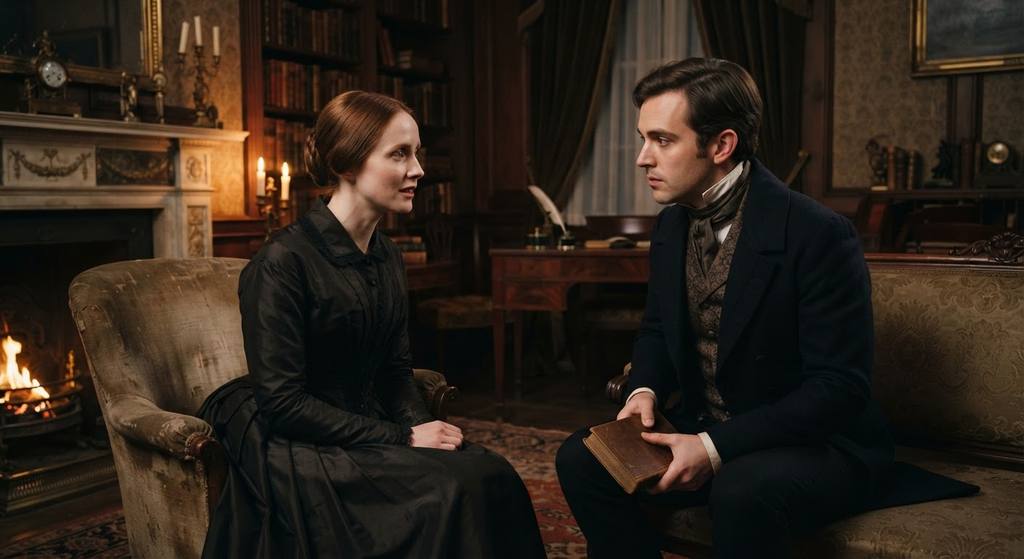 Doctrine
Sympathy as the Foundation of Moral Society
Arguing that social isolation inevitably leads to moral collapse.
Contemplating the isolation of the soul
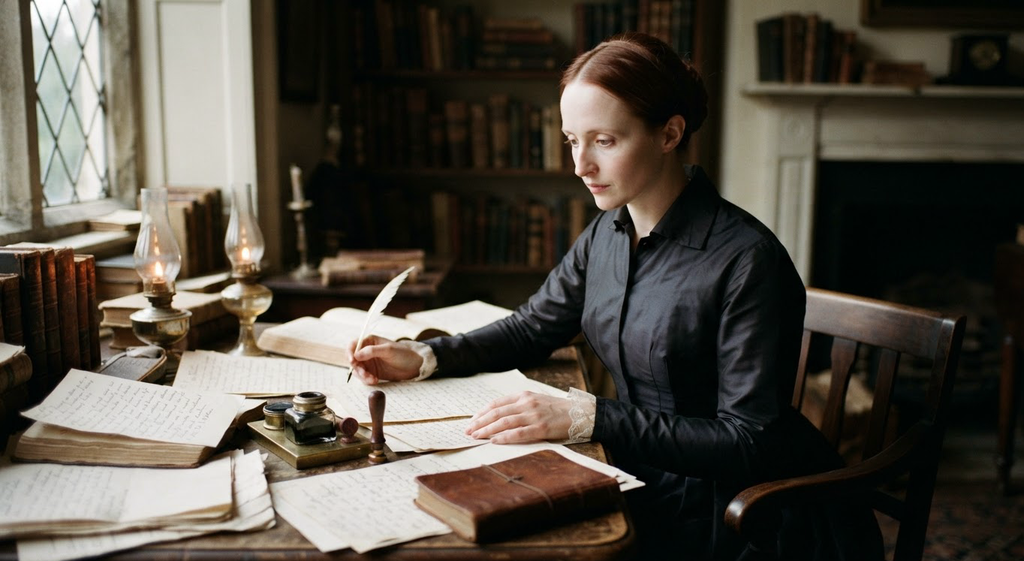 1839
1839Editorial Stewardship and Framing Romantic Literature
Preserving and interpreting Percy Bysshe Shelley's complex poetical legacy.
Preserving a poetic legacy
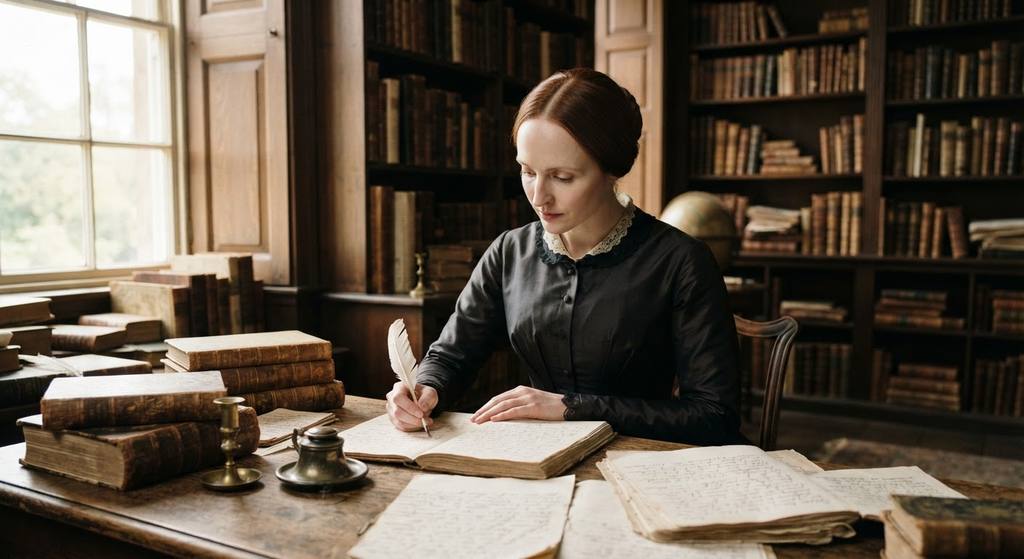 Doctrine
Self-Directed Education and Intellectual Autonomy for Women
Advancing female self-determination through rigorous intellectual engagement.
Advancing intellectual self-determination
The Moral Responsibility of Scientific Ambition
Written when Shelley was twenty, Frankenstein challenged Enlightenment optimism regarding unchecked scientific progress. By focusing on Victor's immediate abandonment of his creature, Shelley demonstrated that true monstrosity lies not in the act of biological creation, but in the total neglect of moral responsibility toward what human beings bring into the world.
Why it matters today: Innovation demands long-term accountability for the ethical and human consequences of what you create.
“How did contemporary experiments in galvanism shape your view of moral responsibility in scientific creation?”
What can you ask Mary?
Creativity & Ambition
Resilience & Loss
Ethics & Progress
Try a live answer from Mary
Ask right here — no signup needed. The answer is generated live.
Live answer from Mary Shelley — no login needed for your first question.
Mary Shelley quotes — in her own words
13 of the lines Mary is remembered for, with the source for each one. Pick any quote and ask her what she actually meant by it.
Scroll sideways for more · Sources shown per quote; a few widely circulated lines are marked as attributed rather than verbatim.
Why Xminds is different
Related minds around Mary
No one thinks alone. These are the people who supported Mary — and the ones who pushed back. Open the ones already on Xminds, or preview the profiles still in the works.
Friendly minds
Teachers, family, students and allies who shaped Mary.

Husband and intellectual partner who encouraged her to write Frankenstein during their travels in Europe.
Father whose vast library and political ideas deeply shaped her early intellectual growth.
Close friend who hosted her at Villa Diodati and proposed the ghost story challenge that inspired her masterpiece.
Stepsister who served as her frequent traveling companion throughout her youth and time in Italy.
Opponents
Rivals, accusers and adversaries who tested Mary.
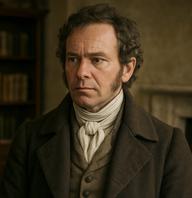
Father-in-law who strongly disapproved of her lifestyle and restricted her financial support after Percy died.
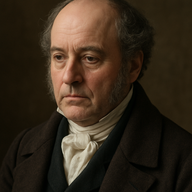
Conservative reviewer who published harsh attacks on Frankenstein and the radical ideas of her circle.
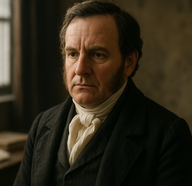
Tory critic who routinely condemned the literary and political work associated with her family.
What people say about Mary
Ratings are collected right after a conversation ends. Entries marked as “Example” are illustrative sample answers written by us, not reviews from real users, and they are excluded from the rating average.
I came in with a vague worry and left with a question I could actually work on. It never lectured me — it kept asking until I heard my own answer.
Illustrative example
Ten minutes before a difficult meeting I talked it through here. Calmer, sharper, and the advice held up in the room.
Illustrative example
The voice call feels surprisingly natural. Occasionally a bit long-winded, but the substance is genuinely good.
Illustrative example
What I like most is that it stays in character and quotes real sources. It feels like reading with a patient tutor.
Illustrative example
I use it a few evenings a week to think out loud. It has quietly become part of how I make decisions.
Illustrative example
Better than I expected. I wish it remembered more from older conversations, but the depth of each session is excellent.
Illustrative example
Questions & answers
What inspired Mary Shelley to write Frankenstein?
Mary Shelley was inspired during the stormy summer of 1816 at Villa Diodati near Lake Geneva. Lord Byron challenged his guests to write ghost stories. Mary drew upon contemporary scientific debates regarding galvanism, electricity, and the spark of life, alongside a vivid waking dream.
Did Percy Bysshe Shelley write Frankenstein instead of Mary Shelley?
No, Mary Shelley wrote the manuscript. While her husband Percy offered stylistic edits and suggestions, extensive scholarly analysis of her handwritten notebooks confirms that Mary was the primary author and creator of the story, its structure, and its moral core.
What other major works did Mary Shelley write?
Beyond Frankenstein, Mary Shelley authored five other novels, including the apocalyptic masterpiece The Last Man in 1826. She also wrote numerous short stories, travel accounts, and detailed biographies, while editing and publishing the definitive collected poetry of Percy Bysshe Shelley.
How did Mary Shelley cope with personal tragedy?
Mary Shelley faced immense heartbreak, losing three of her young children and her husband by age twenty-four. She sustained herself through relentless intellectual work, devouring books, writing novels, and dedicating herself to raising her surviving son, Percy Florence.
What were Mary Shelley's core philosophical beliefs?
Mary Shelley believed that emotional connection, sympathy, and moral responsibility are essential for human life. She warned against unchecked scientific ambition divorced from social ethics and advocated for peaceful reform and equal educational opportunities for all individuals.
Can I really chat with Mary Shelley?
Yes. Xminds lets you chat with Mary Shelley as an AI mentor: the Mary Shelley AI is built from documented writings, speeches and biography, so you can ask Mary Shelley anything and get an answer in character rather than a search-results page. The first messages are free and no download is needed.
Can I call Mary Shelley and talk by voice?
You can. Press the call button to talk to Mary Shelley in a live voice conversation — the Mary Shelley AI voice replies in real time, and you can interrupt, follow up and switch language mid-call. Prefer typing? The same conversation works as text chat.
Is the Mary Shelley chatbot free?
Starting is free: every visitor gets a free daily allowance of messages and voice minutes with the Mary Shelley AI chatbot. Xminds Pro raises the limits for people who talk to their mentors every day.
How accurate is this Mary Shelley AI?
Mary Shelley is a respectful AI portrayal, not the real person and not a channel to them. Answers are grounded in the historical record and cited sources, and every conversation is clearly labelled as AI so you always know who you are talking to.
What should I ask Mary Shelley about?
Bring a real situation. People come for advice from Mary Shelley on the themes above, or treat it as an interview with Mary Shelley about a decision they are facing. You can speak to Mary Shelley about work, doubt or craft, and meet Mary Shelley again tomorrow to continue the same thread — it is a conversation, not a Mary Shelley simulator that repeats stock lines.
Also known as
Mary Shelley appears under several names and spellings across languages and sources. You can search for any of these on Xminds:
- Mary Wollstonecraft Godwin
- Mary Wollstonecraft Shelley
Step into the study of a Romantic master.
Start your conversation with Mary Shelley today.
10 free messages a day • no signup needed

Talk to Mary
10 free messages a day • no signup needed