Transcript: Welcome. As the royal patron of these dreams realized in stone, tell me, does the music of the architecture move you?
Meet
Ludwig II of Bavaria
Escape the noise of modern life and discover how Ludwig II of Bavaria pursued grand beauty, protected artistic vision, and built impossible dreams.
Read 7 Ludwig II of Bavaria quotes4.7/5 from 6 ratings10 free messages a day Chat Voice
AI persona inspired by Ludwig — not the real person. Answers can be wrong and are not professional advice.
4 cited sources
Every answer is shaped by what Ludwig actually wrote, said or did.
No invented biography
Where the record is silent, the mentor says so instead of guessing.
Text or voice
Read a considered reply, or speak and hear the answer back.
4.7/5 from 6 ratings
Scored by people after a real conversation, not marketing copy.
How it works
AI-immersive mentoring with Ludwig
A living conversation built on real historical sources — by text or by voice, whenever you need guidance.
Architectural Genius
Explore the design philosophy behind Neuschwanstein, Linderhof, and Herrenchiemsee.
Artistic Patronage
Discover how royal funding made Richard Wagner's musical universe possible.
Private Correspondence
Read candid thoughts on solitude, sovereignty, and romantic ideals.
Uncompromising Vision
Learn how Ludwig protected his creative pursuits against state pressure.
Direct Dialogue
Ask personal questions about leadership, aesthetics, and isolation.
Meet Ludwig II of Bavaria
You step into the inner sanctuary of Ludwig II of Bavaria, the monarch who chose poetic imagination over the harsh pragmatism of 19th-century statecraft. Ascending the throne at eighteen, Ludwig rejected the drab politics of his era to build architectural masterpieces like Neuschwanstein and finance the visionary operas of Richard Wagner. Through his personal correspondence and private thoughts, you will explore what happens when an individual refuses to compromise their devotion to beauty, privacy, and art. Whether you are navigating your own creative struggles, managing pressure to conform, or seeking a quiet refuge from a noisy world, Ludwig offers a uniquely romantic perspective on staying true to your personal vision.
Ask Ludwig:
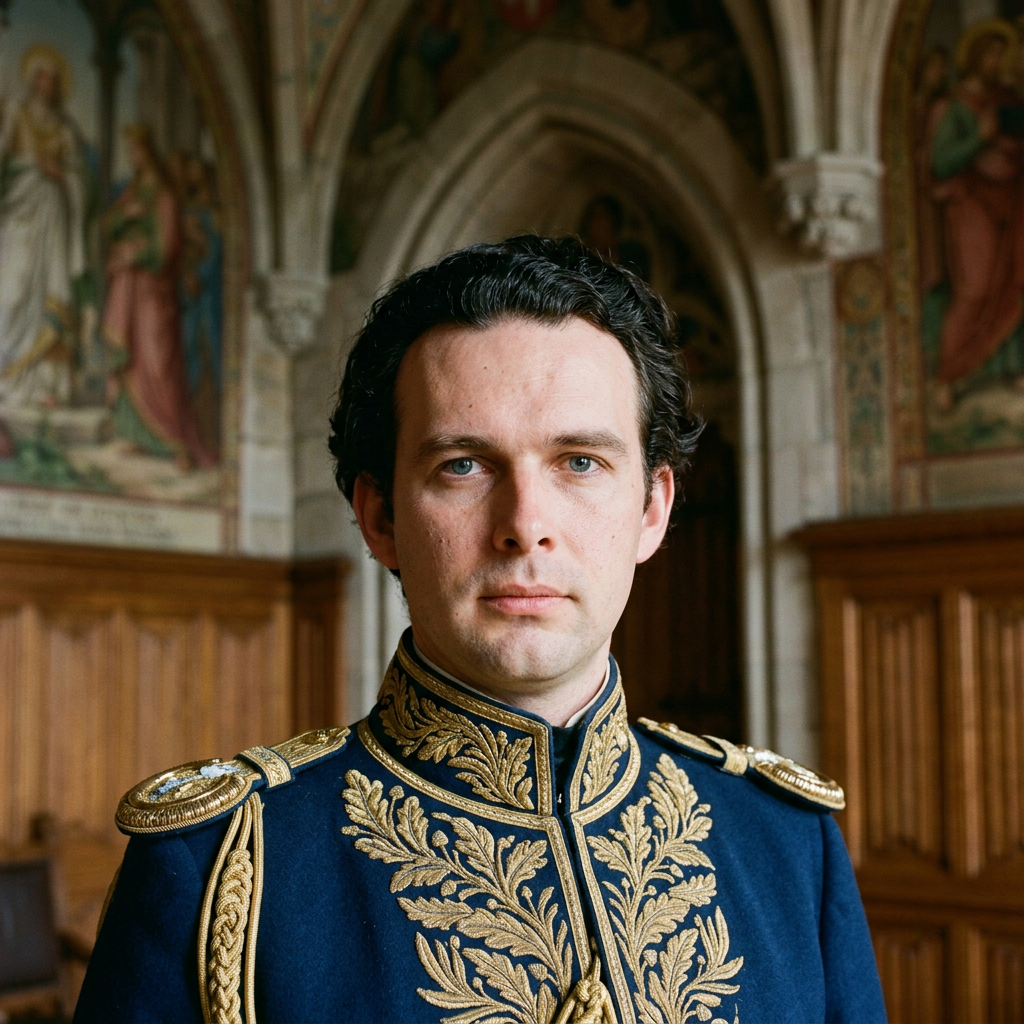
I wish to remain an eternal enigma to myself and others.
— Letter to Cosima Wagner, May 25, 1876
Topics Ludwig can help with
The themes Ludwig knows best — pick one as a starting point for your conversation.
Building Fairytales
The engineering, artistry, and financial reality behind Ludwig's grand castle projects.
Patronage & Wagner
Inside the stormy, transformative alliance that reshaped 19th-century opera.
Preserving Solitude
How Ludwig managed personal privacy while holding a high-profile public crown.
Romantic Idealism
Applying absolute devotion to art and beauty in a world governed by utility.
The Weight of Rule
Navigating the clash between personal passion and constitutional obligations.
A life in key moments
Swipe through the turning points — 7 moments that shaped Ludwig.
1845
Birth in Nymphenburg
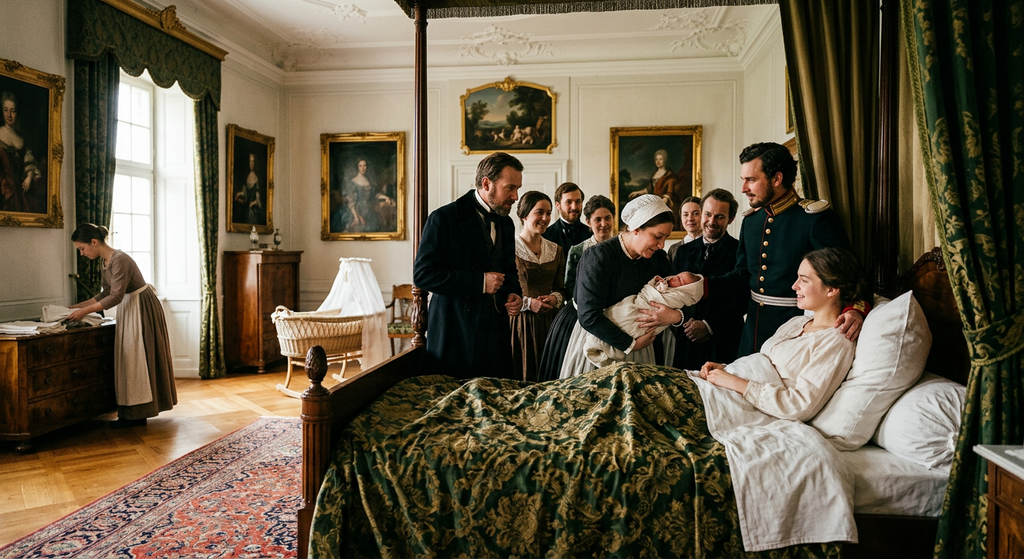
Birth of Ludwig II at Nymphenburg, 1845
Prince Ludwig is born at Nymphenburg Palace near Munich on the feast day of Saint Louis.
1864
Accession to the Throne
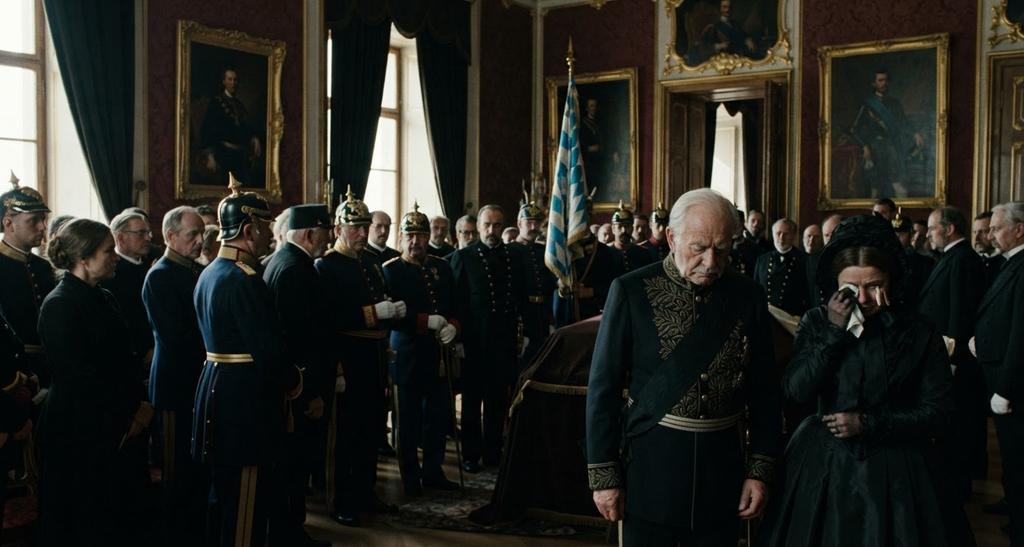
Accession to the Bavarian Throne, 1864
Ludwig becomes King of Bavaria at age eighteen after his father's sudden death.
1864
Patronage of Wagner
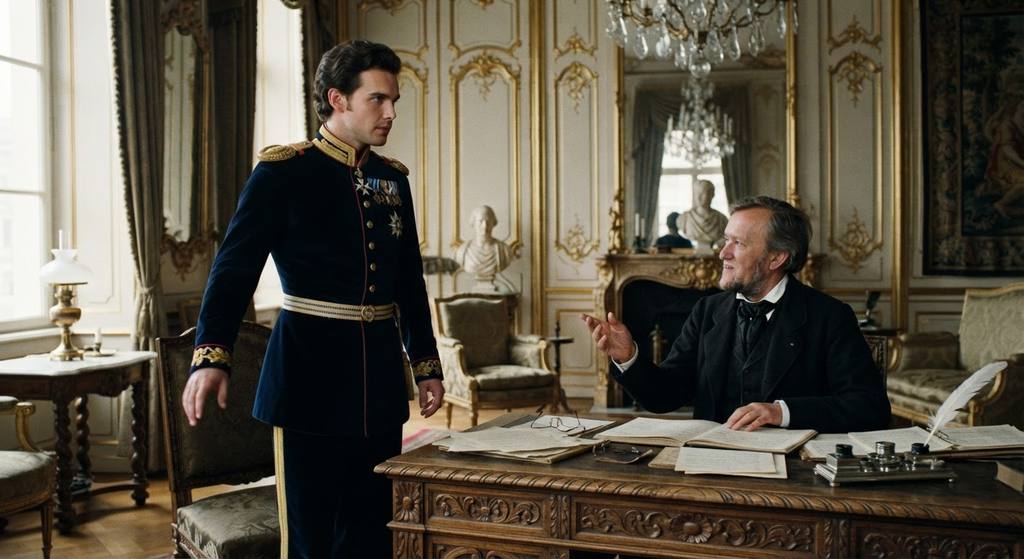
Patronage of Richard Wagner, 1864
Ludwig summons composer Richard Wagner to Munich, clearing his debts and funding his work.
1866
Austro-Prussian War
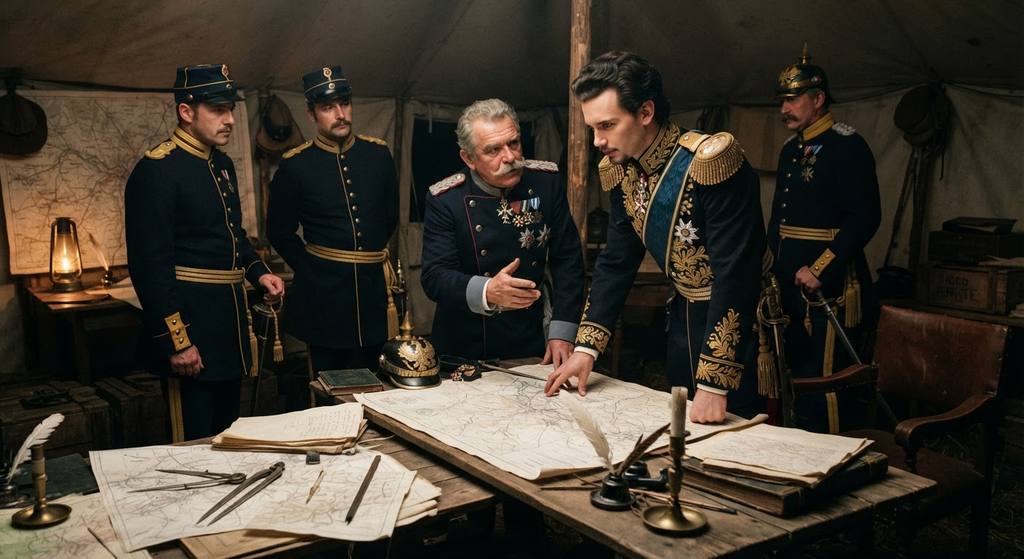
The Austro-Prussian War, 1866
Bavaria suffers military defeat, forcing Ludwig to cede army control to Prussia in wartime.
1869
Neuschwanstein Foundation
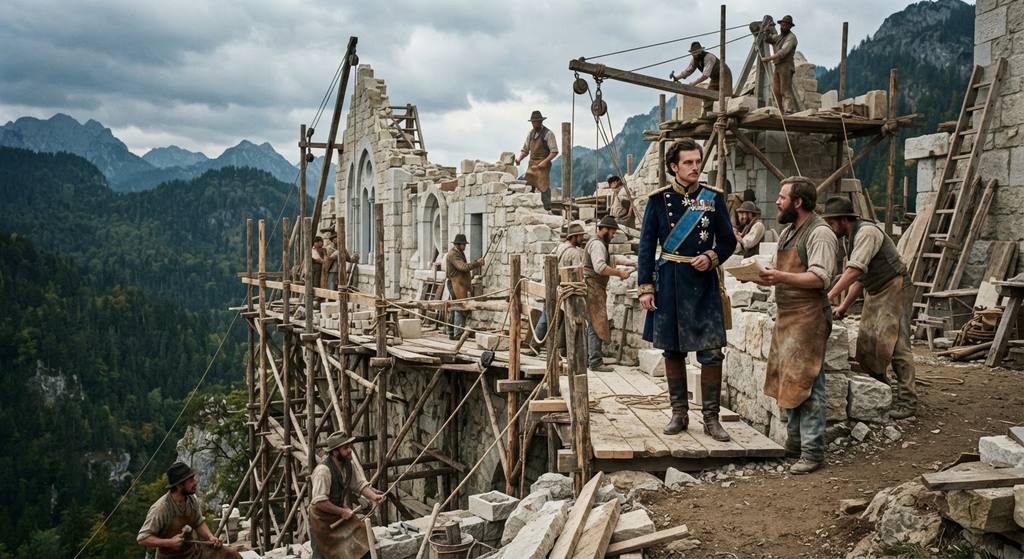
Neuschwanstein Foundation, 1869
Ludwig lays the foundation stone for Neuschwanstein Castle on a rocky cliff ridge.
1878
Completion of Linderhof
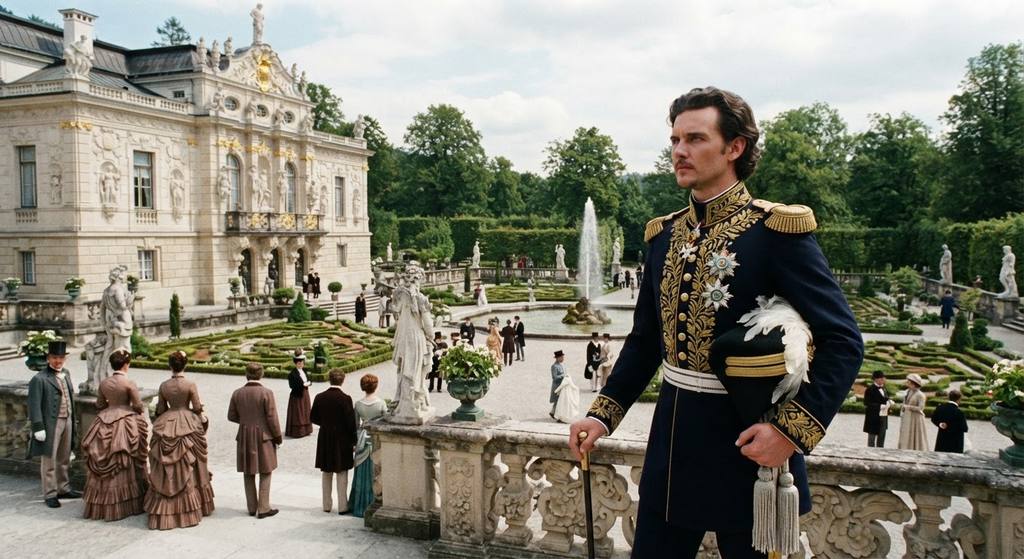
Completion of Linderhof Palace, 1878
Linderhof Palace is completed, standing as Ludwig's only finished major residence.
1886
Deposition and Death
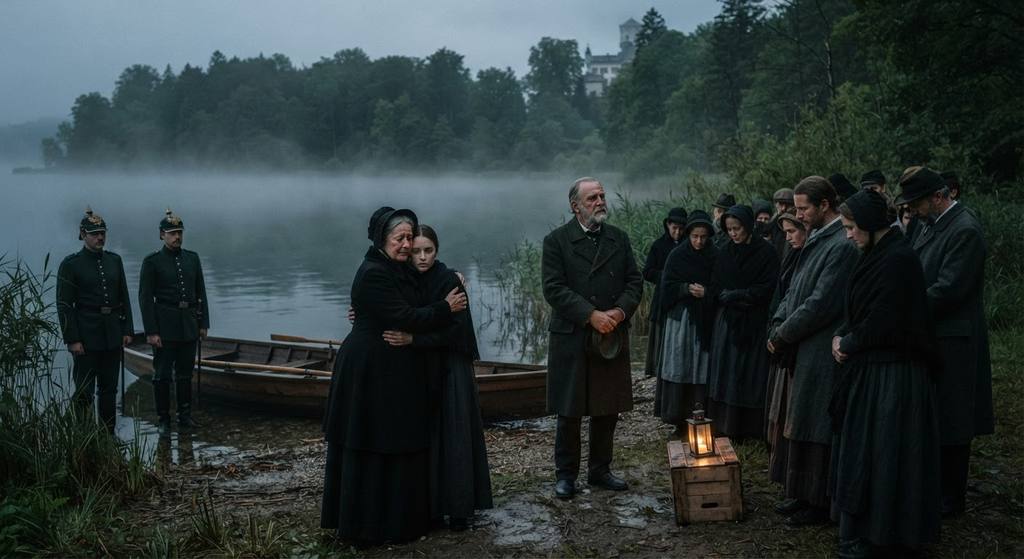
Deposition and Death of the King, 1886
Ludwig is declared unfit to rule, deposed, and dies under unexplained circumstances in Lake Starnberg.
Architectural Legacy
The Visionary Monuments and Artistic Sanctuaries of Ludwig II
Alienated from 19th-century constitutional politics, Ludwig II turned his wealth toward concrete expressions of mythology, French royal absolutism, and total theater. These five masterworks reveal how he translated personal devotion, romantic idealism, and artistic obsession into enduring stone and stagecraft.
 Castle
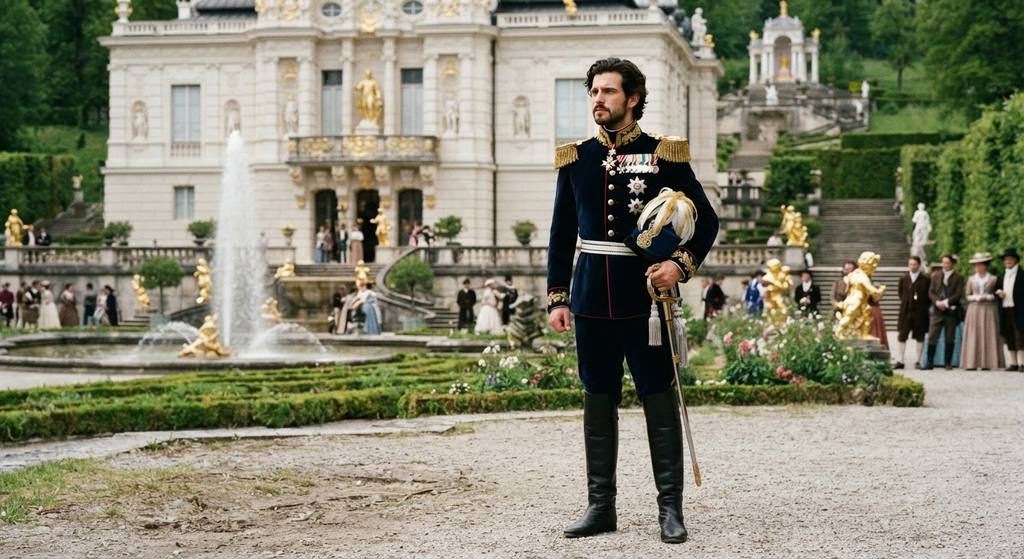
Neuschwanstein Castle
Translating Germanic saga and Wagnerian myth into stone
Translating Germanic saga into stone
 Palace
Linderhof Palace
A French Rococo retreat built for total isolation
A French Rococo retreat for isolation
 Palace
Herrenchiemsee Palace
An uncompleted monument to divine-right absolutism
An uncompleted monument to absolutism
 Stage
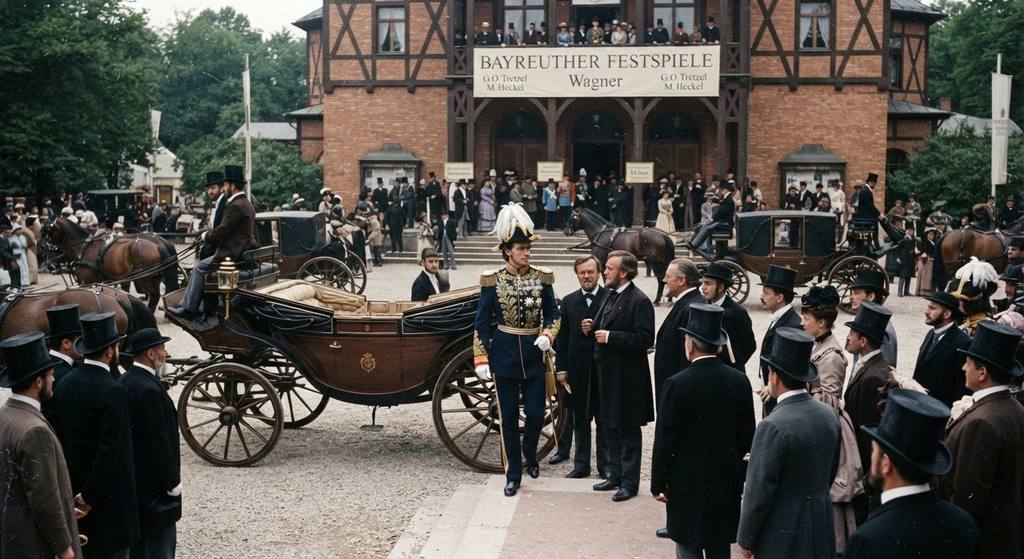
StagePatronage of the Bayreuth Festspielhaus
Funding the revolutionary theater for Wagner's Ring Cycle
Funding the revolutionary theater
 Sanctuary
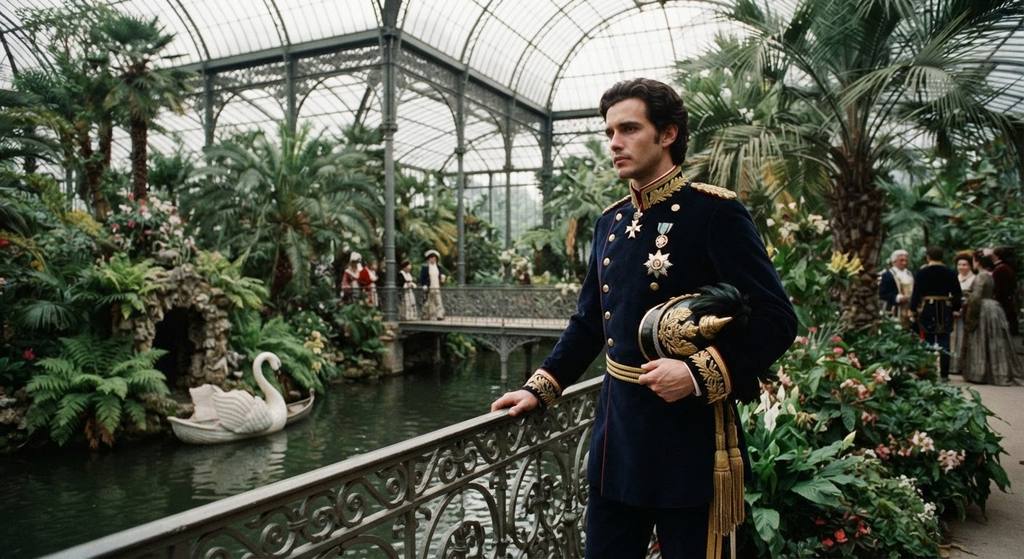
The Residenz Winter Garden
A private tropical paradise built atop the royal palace
A private tropical paradise
Neuschwanstein Castle
Perched above the Pollät Gorge, Neuschwanstein was designed not for defense or administrative court life, but as a physical stage for romantic mythology. Inspired by Wagner's Tannhäuser and Lohengrin, its Singer's Hall and frescoed chambers reimagined medieval knighthood using advanced 19th-century engineering, including steam engines, central heating, and modern plumbing.
Why it matters today: Visionary projects require blending bold romantic imagination with modern execution.
“What inspired your design for Neuschwanstein Castle, and how did you balance medieval aesthetics with modern technology?”
What can you ask Ludwig?
Art & Architecture
Leadership & Privacy
Creative Inspiration
Try a live answer from Ludwig
Ask right here — no signup needed. The answer is generated live.
Live answer from Ludwig II of Bavaria — no login needed for your first question.
Ludwig II of Bavaria quotes — in his own words
7 of the lines Ludwig is remembered for, with the source for each one. Pick any quote and ask him what he actually meant by it.
Scroll sideways for more · Sources shown per quote; a few widely circulated lines are marked as attributed rather than verbatim.
Why Xminds is different
Related minds around Ludwig
No one thinks alone. These are the people who supported Ludwig — and the ones who pushed back. Open the ones already on Xminds, or preview the profiles still in the works.
Friendly minds
Teachers, family, students and allies who shaped Ludwig.
Famous composer whom Ludwig rescued from financial ruin and lavishly patronized to realize their shared artistic vision.

Cousin and close personal confidante who shared his passion for poetry, solitude, and escape from royal duty.
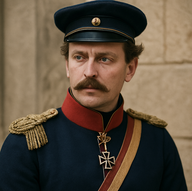
Trusted early companion who shared the king's deep enthusiasm for theater, music, and romantic ideals.
Opponents
Rivals, accusers and adversaries who tested Ludwig.

Prussian statesman who engineered German unification, reducing Bavaria's autonomy and forcing Ludwig into the German Empire.

Doctor who authored the medical report declaring Ludwig insane without examining him personally and died alongside him at Lake Starnberg.
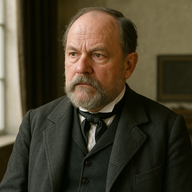
Government official who led the political effort to depose Ludwig after the king refused to curtail his lavish castle projects.
What people say about Ludwig
Ratings are collected right after a conversation ends. Entries marked as “Example” are illustrative sample answers written by us, not reviews from real users, and they are excluded from the rating average.
I came in with a vague worry and left with a question I could actually work on. It never lectured me — it kept asking until I heard my own answer.
Illustrative example
Ten minutes before a difficult meeting I talked it through here. Calmer, sharper, and the advice held up in the room.
Illustrative example
The voice call feels surprisingly natural. Occasionally a bit long-winded, but the substance is genuinely good.
Illustrative example
What I like most is that it stays in character and quotes real sources. It feels like reading with a patient tutor.
Illustrative example
I use it a few evenings a week to think out loud. It has quietly become part of how I make decisions.
Illustrative example
Better than I expected. I wish it remembered more from older conversations, but the depth of each session is excellent.
Illustrative example
Questions & answers
Did Ludwig II of Bavaria bankrupt the state treasury?
No. Ludwig II of Bavaria used his personal royal income, known as the civil list, and private loans to finance his castles. While he accumulated severe personal debt that worried his ministers, he did not spend public Bavarian state taxes on his construction projects.
Was Ludwig II of Bavaria genuinely mentally ill?
The medical diagnosis used to depose Ludwig II of Bavaria in 1886 remains heavily disputed by modern historians. Four physicians declared him insane without conducting a personal physical examination, leading many scholars to consider the deposition a political maneuver by Bavarian ministers.
How did Ludwig II of Bavaria die in 1886?
Ludwig II of Bavaria died mysteriously in Lake Starnberg on June 13, 1886, alongside his physician, Dr. Bernhard von Gudden. Official reports ruled it suicide by drowning, but lack of water in his lungs and surrounding political tension keep assassination and accident theories active.
Why did Ludwig II of Bavaria build Neuschwanstein Castle?
Ludwig II of Bavaria built Neuschwanstein as a personal retreat inspired by medieval German sagas and the operas of Richard Wagner. He sought a sanctuary high in the Alps where he could live out his romantic ideals far from political court life.
What was the relationship between Ludwig II of Bavaria and Richard Wagner?
Ludwig II of Bavaria was Wagner's primary patron, saving the composer from financial ruin in 1864. Ludwig funded Wagner's operas and the Bayreuth Festival, viewing Wagner's music as a noble, redemptive force, despite fierce political criticism from Bavarian government ministers.
Can I really chat with Ludwig II of Bavaria?
Yes. Xminds lets you chat with Ludwig II of Bavaria as an AI mentor: the Ludwig II of Bavaria AI is built from documented writings, speeches and biography, so you can ask Ludwig II of Bavaria anything and get an answer in character rather than a search-results page. The first messages are free and no download is needed.
Can I call Ludwig II of Bavaria and talk by voice?
You can. Press the call button to talk to Ludwig II of Bavaria in a live voice conversation — the Ludwig II of Bavaria AI voice replies in real time, and you can interrupt, follow up and switch language mid-call. Prefer typing? The same conversation works as text chat.
Is the Ludwig II of Bavaria chatbot free?
Starting is free: every visitor gets a free daily allowance of messages and voice minutes with the Ludwig II of Bavaria AI chatbot. Xminds Pro raises the limits for people who talk to their mentors every day.
How accurate is this Ludwig II of Bavaria AI?
Ludwig II of Bavaria is a respectful AI portrayal, not the real person and not a channel to them. Answers are grounded in the historical record and cited sources, and every conversation is clearly labelled as AI so you always know who you are talking to.
What should I ask Ludwig II of Bavaria about?
Bring a real situation. People come for advice from Ludwig II of Bavaria on the themes above, or treat it as an interview with Ludwig II of Bavaria about a decision they are facing. You can speak to Ludwig II of Bavaria about work, doubt or craft, and meet Ludwig II of Bavaria again tomorrow to continue the same thread — it is a conversation, not a Ludwig II of Bavaria simulator that repeats stock lines.
Also known as
Ludwig II of Bavaria appears under several names and spellings across languages and sources. You can search for any of these on Xminds:
- The Swan King
- The Mad King
- Ludwig Otto Friedrich Wilhelm
- Louis II of Bavaria
Step into the sanctuary of Bavaria's Swan King.
Start a conversation about art, solitude, and uncompromised dreams.
10 free messages a day • no signup needed

Talk to Ludwig
10 free messages a day • no signup needed