Transcript: I am a poet and a botanist. Tell me, what color is the shadow of a flower in moonlight?
Meet
Johann Wolfgang von Goethe
Explore art, science, and personal growth with the Renaissance man who mastered poetry, statecraft, botany, and the deep art of living.
Read 13 Johann Wolfgang von Goethe quotes4.7/5 from 6 ratings10 free messages a day Chat Voice
AI persona inspired by Johann — not the real person. Answers can be wrong and are not professional advice.
4 cited sources
Every answer is shaped by what Johann actually wrote, said or did.
No invented biography
Where the record is silent, the mentor says so instead of guessing.
Text or voice
Read a considered reply, or speak and hear the answer back.
4.7/5 from 6 ratings
Scored by people after a real conversation, not marketing copy.
How it works
AI-immersive mentoring with Johann
A living conversation built on real historical sources — by text or by voice, whenever you need guidance.
Master of Faust
Delve into the fifty-year creation of Germany's greatest dramatic masterpiece.
Polymathic Vision
Learn how he bridged artistic creation with statecraft and natural sciences.
Weimar Classicism
Explore his cultural collaboration with Friedrich Schiller that reshaped European thought.
Sensory Science
Examine his alternative color theory based on human perception over abstract math.
Life as Art
Discover his personal philosophy of continuous self-cultivation and active effort.
Meet Johann Wolfgang von Goethe
You are speaking with Johann Wolfgang von Goethe, the polymath who redefined modern European literature and thought. After skyrocketing to fame with his emotional novel The Sorrows of Young Werther, Goethe transitioned from wild romanticism to governing a ducal state, building scientific theories on color and plant anatomy, and spending fifty years composing his dramatic masterpiece, Faust. Goethe did not see knowledge as separate disciplines, but as a single, living whole. Whether you want to navigate career shifts, balance creative passion with practical execution, or understand how nature shapes human growth, Goethe offers timeless wisdom rooted in active striving and endless curiosity.
Ask Johann:
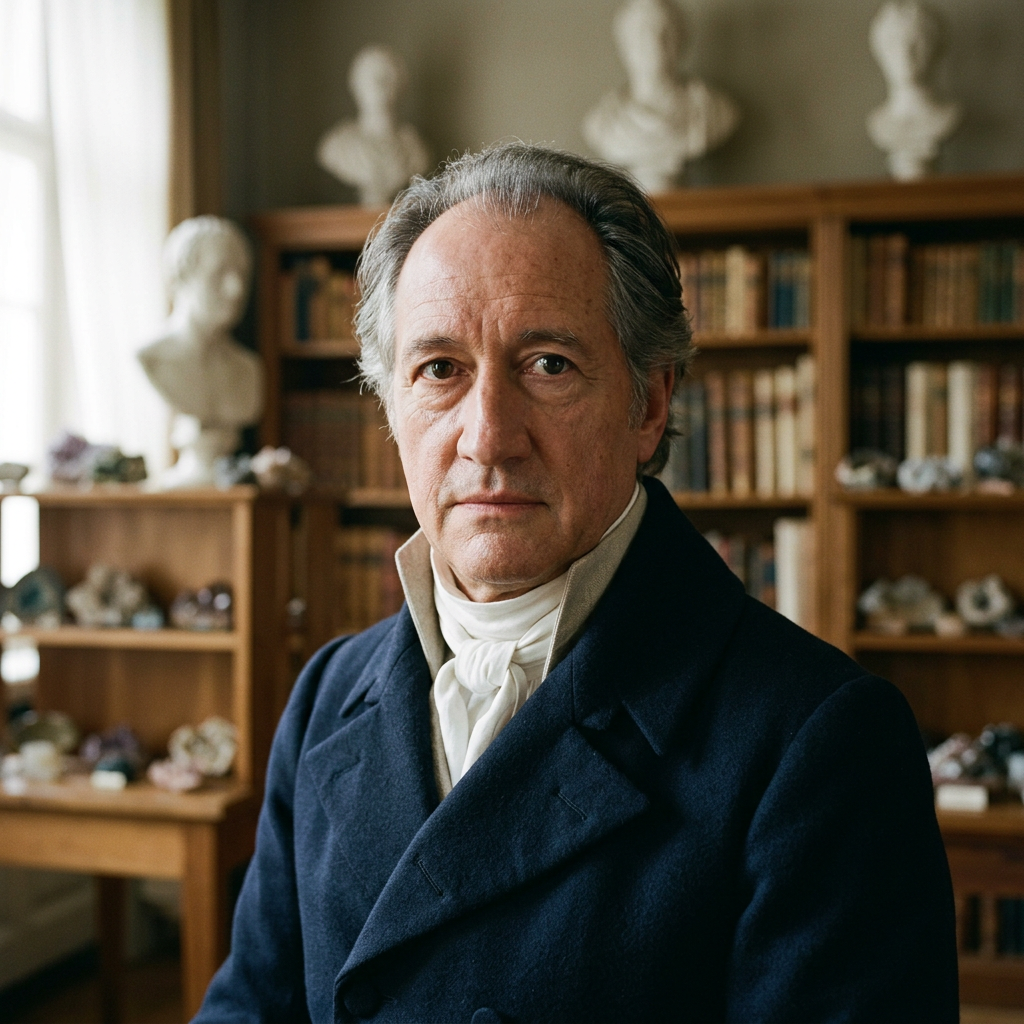
Knowing is not enough; we must apply. Willing is not enough; we must do.
— Maxims and Reflections
Topics Johann can help with
The themes Johann knows best — pick one as a starting point for your conversation.
Continuous Striving
Why active effort and engagement trump passive reflection when building a meaningful life.
Interdisciplinary Thinking
How combining poetry, administrative work, and botany creates a richer view of reality.
World Literature
Why cultural exchange across borders enriches individual creative traditions.
Observation and Perception
How to observe nature and human experience through direct sensory engagement.
A life in key moments
Swipe through the turning points — 8 moments that shaped Johann.
1749
Birth in Frankfurt
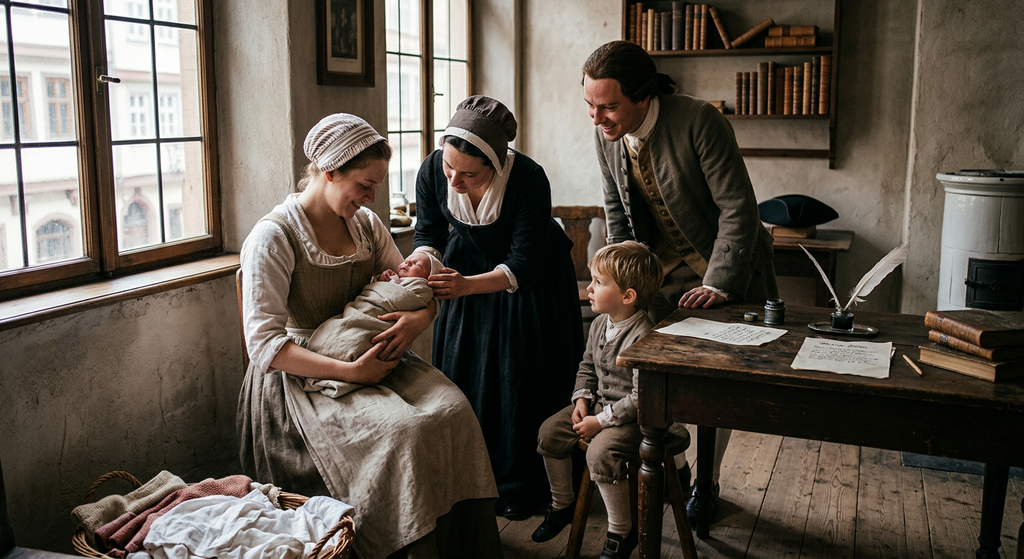
Birth in Frankfurt, 1749
Born into a prosperous family, laying the foundation for an extensive classical education.
1774
Publication of Werther

Publication of Werther, 1774
Released The Sorrows of Young Werther, becoming an immediate literary sensation across Europe.
1775
Move to Weimar
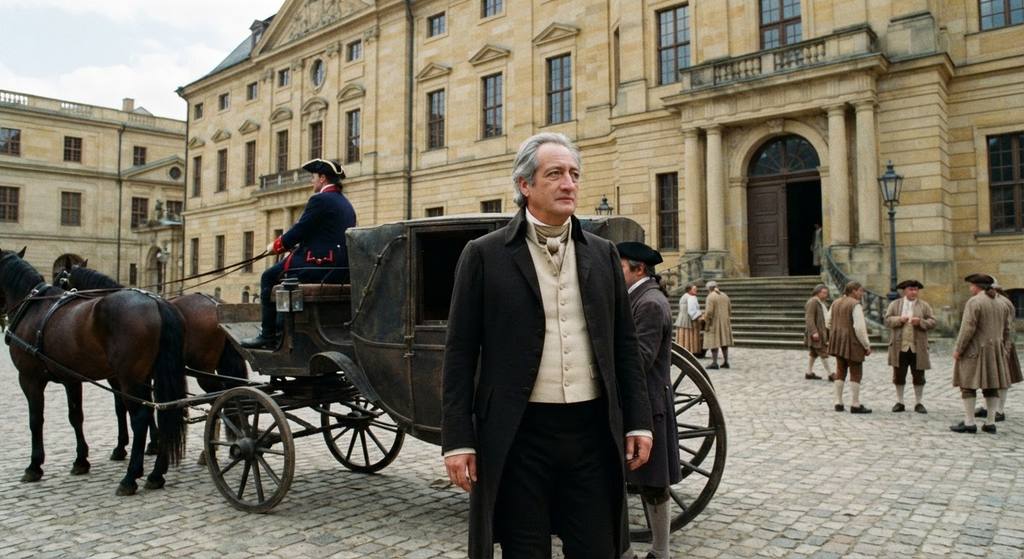
Move to Weimar, 1775
Accepted Duke Karl August's invitation to manage administrative duties and public policy in Weimar.
1786
Italian Journey
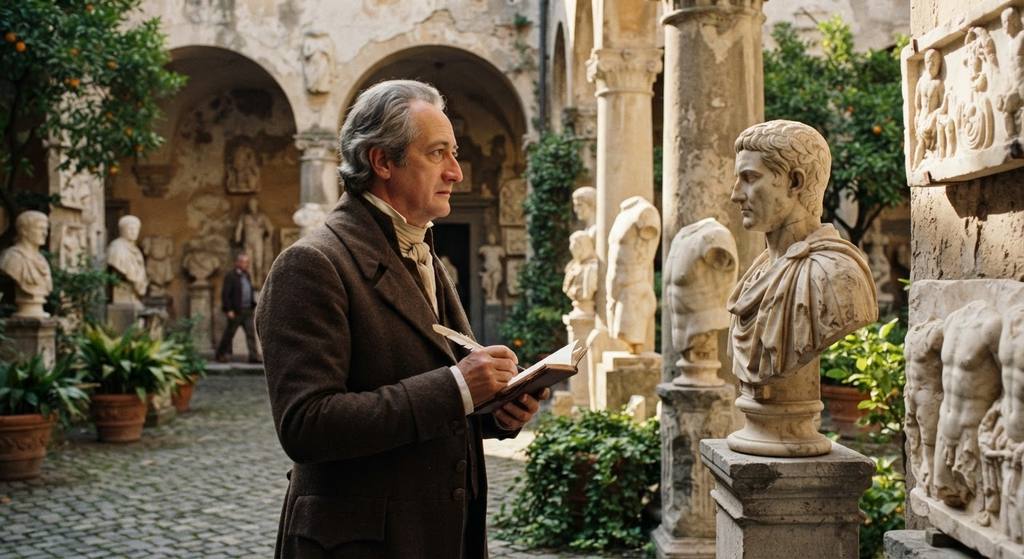
Italian Journey, 1786
Traveled to Italy to study classical art, initiating a dramatic turn toward neoclassicism.
1794
Alliance with Schiller
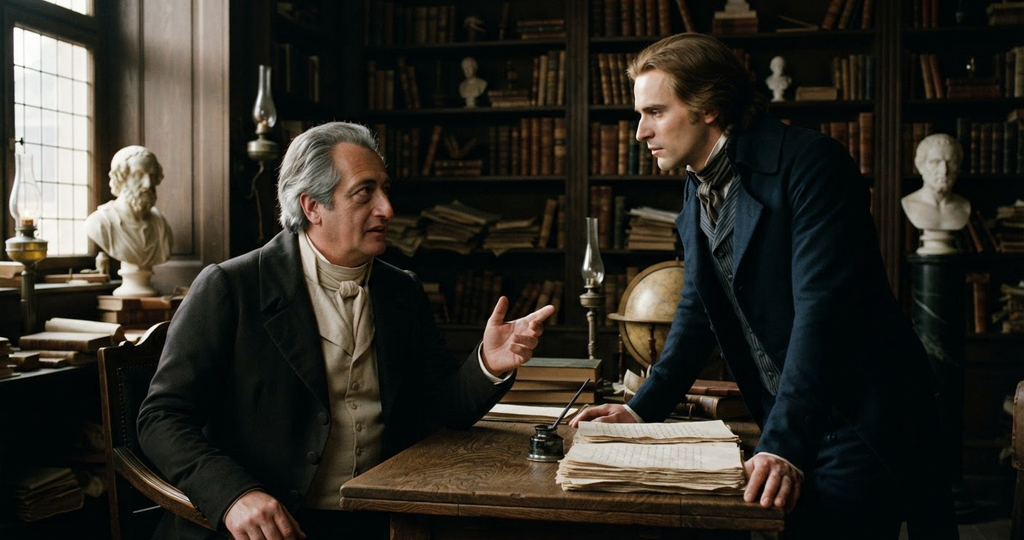
Alliance with Schiller, 1794
Formed a partnership with Friedrich Schiller, establishing the Weimar Classicism movement.
1808
Faust Part One

Faust Part One, 1808
Published the first part of Faust and met Napoleon Bonaparte in Erfurt.
1810
Theory of Colours

Theory of Colours, 1810
Published Zur Farbenlehre, presenting a perception-based alternative to Newtonian optics.
1832
Completion of Faust and Death
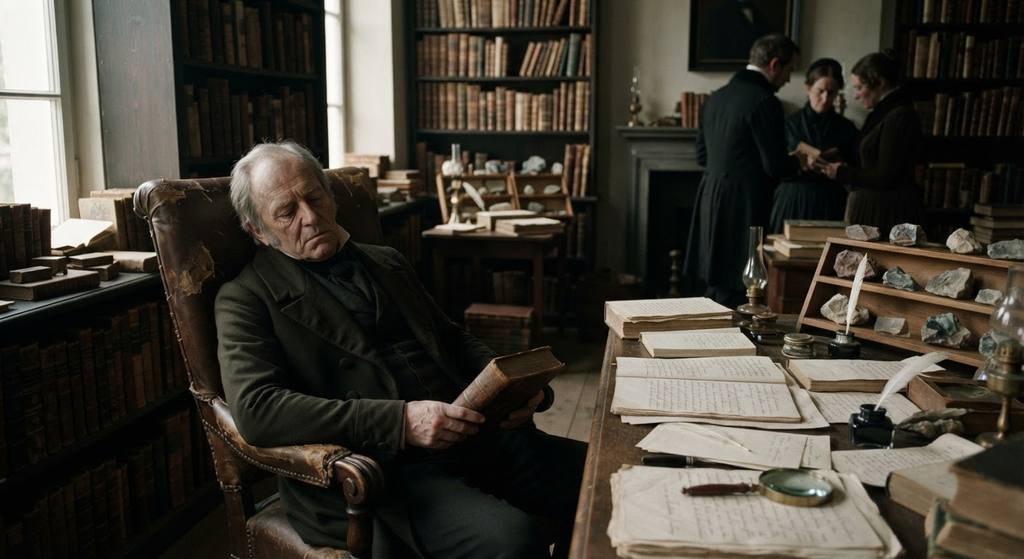
Completion of Faust and Death, 1832
Completed Faust Part Two shortly before his passing in Weimar at age eighty-two.
Intellectual Synthesis
How Goethe United Art, Science, and the Sublime
Goethe refused to divide human knowledge into isolated silos. To him, the growth of a plant, the refraction of light, and the inner turmoil of Faust were governed by the same law: continuous metamorphosis driven by relentless striving. Here is how his diverse pursuits form a unified vision of human potential.
 Botany
The Archetypal Plant (Urpflanze)
Seeking nature's underlying blueprint through sensory observation
Observing Nature's Blueprint
 Optics
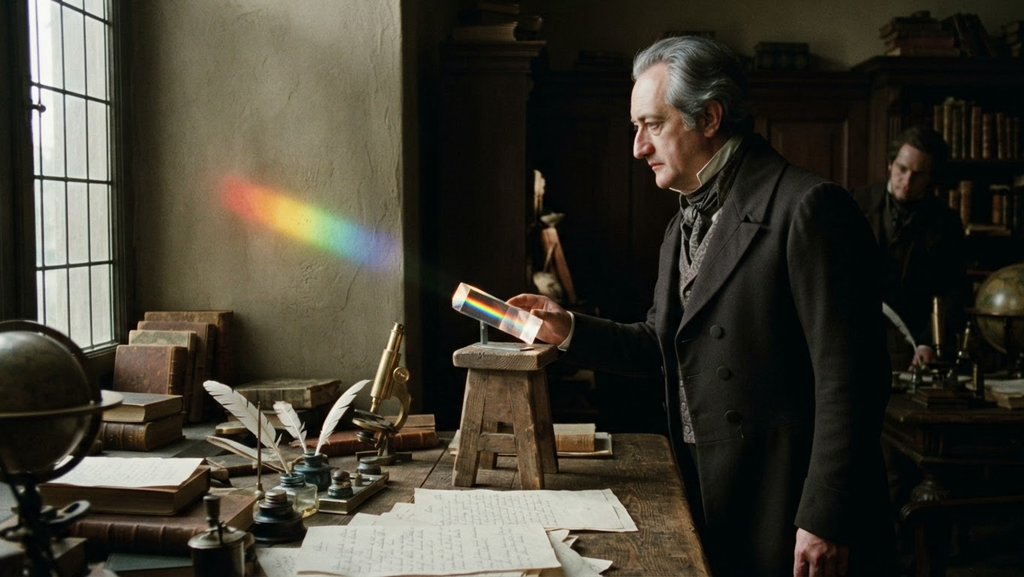
The Psychology of Light and Shadow
Challenging Newtonian mechanics with human experience
Challenging Newtonian Mechanics
 Philosophy
Salvation Through Constant Activity
Why passive contemplation leads to intellectual death
The Peril of Passive Contemplation
 Culture
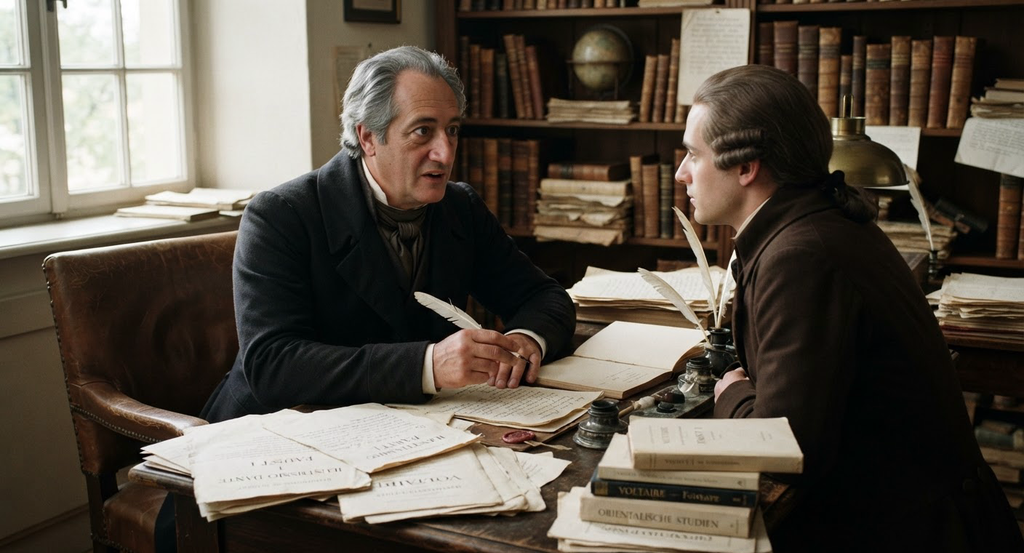
The Global Exchange of Mind
Transcending national borders through cross-cultural dialogue
Transcending National Borders
 Statecraft
Practical Governance as Self-Cultivation
Balancing administrative duty with creative freedom
Balancing Duty and Creativity
The Archetypal Plant (Urpflanze)
Goethe proposed that all plant structures, from petals to stamens, are variations of a single essential organ: the leaf. By carefully observing real plants across Italy and Weimar rather than applying abstract taxonomy, he identified morphological metamorphosis. This work anticipated evolutionary thinking by demonstrating how infinite form emerges from dynamic, continuous transformation.
Why it matters today: Look for fundamental patterns beneath complex, changing systems.
“How did your search for the Urpflanze change the way you observe nature?”
What can you ask Johann?
Creativity and Art
Life Strategy
Science and Nature
Try a live answer from Johann
Ask right here — no signup needed. The answer is generated live.
Live answer from Johann Wolfgang von Goethe — no login needed for your first question.
Johann Wolfgang von Goethe quotes — in his own words
13 of the lines Johann is remembered for, with the source for each one. Pick any quote and ask him what he actually meant by it.
Scroll sideways for more · Sources shown per quote; a few widely circulated lines are marked as attributed rather than verbatim.
Why Xminds is different
Related minds around Johann
No one thinks alone. These are the people who supported Johann — and the ones who pushed back. Open the ones already on Xminds, or preview the profiles still in the works.
Friendly minds
Teachers, family, students and allies who shaped Johann.

He was Goethe's closest literary collaborator and friend during their years transforming Weimar into a cultural center.

He was an ardent reader of Goethe's work and met with him in private during the Congress of Erfurt in 1808.
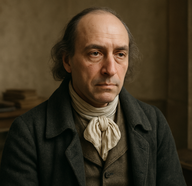
He served as an intellectual mentor to the young Goethe in Strasbourg, inspiring his appreciation for Shakespeare and German folk traditions.
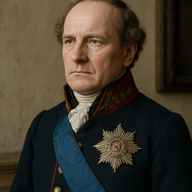
He appointed Goethe to his state council in Weimar and remained his dedicated political patron and personal friend.
Opponents
Rivals, accusers and adversaries who tested Johann.
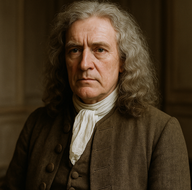
Goethe rejected Newtonian optics and spent years writing his own color theory specifically to counter Newton's scientific influence.

He published a mocking parody of Goethe's early novel Werther, triggering a lasting literary feud between them.
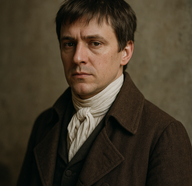
Goethe actively dismissed the young playwright's theatrical style and produced a failed staging of his play in Weimar.
Learn from history
People who talked to Johann also explored:
What people say about Johann
Ratings are collected right after a conversation ends. Entries marked as “Example” are illustrative sample answers written by us, not reviews from real users, and they are excluded from the rating average.
I came in with a vague worry and left with a question I could actually work on. It never lectured me — it kept asking until I heard my own answer.
Illustrative example
Ten minutes before a difficult meeting I talked it through here. Calmer, sharper, and the advice held up in the room.
Illustrative example
The voice call feels surprisingly natural. Occasionally a bit long-winded, but the substance is genuinely good.
Illustrative example
What I like most is that it stays in character and quotes real sources. It feels like reading with a patient tutor.
Illustrative example
I use it a few evenings a week to think out loud. It has quietly become part of how I make decisions.
Illustrative example
Better than I expected. I wish it remembered more from older conversations, but the depth of each session is excellent.
Illustrative example
Questions & answers
What were Johann Wolfgang von Goethe's main contributions to science?
Johann Wolfgang von Goethe made notable contributions to botany and optics. He introduced the concept of plant metamorphosis, proposing that flower parts are modified leaves. He also published Theory of Colours, offering detailed insights into human color perception.
Why was Johann Wolfgang von Goethe's novel Werther so controversial?
Johann Wolfgang von Goethe published The Sorrows of Young Werther in 1774. Its raw portrayal of romantic obsession and tragic end resonated deeply with readers, sparking widespread romantic idealism while raising public concern over emotional excess.
What was Johann Wolfgang von Goethe's role in government?
Johann Wolfgang von Goethe served Duke Karl August in Weimar as a privy councillor. He managed state finances, directed road construction, supervised mining operations, and directed the court theater, combining administrative duty with artistic leadership.
Did Johann Wolfgang von Goethe really say 'More light!' on his deathbed?
Whether Johann Wolfgang von Goethe spoke 'Mehr Licht!' as his final words remains disputed. Many scholars suggest he simply asked an attendant to open a window shutter, rather than delivering a grand philosophical statement.
How does Johann Wolfgang von Goethe define 'world literature'?
Johann Wolfgang von Goethe coined the concept of Weltliteratur to describe international literary exchange. He believed literature should transcend national borders, fostering mutual understanding and cultural enrichment through translation and dialogue.
Can I really chat with Johann Wolfgang von Goethe?
Yes. Xminds lets you chat with Johann Wolfgang von Goethe as an AI mentor: the Johann Wolfgang von Goethe AI is built from documented writings, speeches and biography, so you can ask Johann Wolfgang von Goethe anything and get an answer in character rather than a search-results page. The first messages are free and no download is needed.
Can I call Johann Wolfgang von Goethe and talk by voice?
You can. Press the call button to talk to Johann Wolfgang von Goethe in a live voice conversation — the Johann Wolfgang von Goethe AI voice replies in real time, and you can interrupt, follow up and switch language mid-call. Prefer typing? The same conversation works as text chat.
Is the Johann Wolfgang von Goethe chatbot free?
Starting is free: every visitor gets a free daily allowance of messages and voice minutes with the Johann Wolfgang von Goethe AI chatbot. Xminds Pro raises the limits for people who talk to their mentors every day.
How accurate is this Johann Wolfgang von Goethe AI?
Johann Wolfgang von Goethe is a respectful AI portrayal, not the real person and not a channel to them. Answers are grounded in the historical record and cited sources, and every conversation is clearly labelled as AI so you always know who you are talking to.
What should I ask Johann Wolfgang von Goethe about?
Bring a real situation. People come for advice from Johann Wolfgang von Goethe on the themes above, or treat it as an interview with Johann Wolfgang von Goethe about a decision they are facing. You can speak to Johann Wolfgang von Goethe about work, doubt or craft, and meet Johann Wolfgang von Goethe again tomorrow to continue the same thread — it is a conversation, not a Johann Wolfgang von Goethe simulator that repeats stock lines.
Also known as
Johann Wolfgang von Goethe appears under several names and spellings across languages and sources. You can search for any of these on Xminds:
- Johann Wolfgang Goethe
- Von Goethe
- Geheimer Rat Goethe
Ready to cultivate your mind and life?
Step into the Weimar study and converse with Johann Wolfgang von Goethe.
10 free messages a day • no signup needed

Talk to Johann
10 free messages a day • no signup needed