Transcript: I am a scholar of warfare and statecraft. Tell me, what is the true cost of peace without total victory?
Meet
Attila The Hun
Unify divided factions, master high-stakes negotiation, and leverage absolute strategic focus through direct advice from history's most formidable commander.
Read 13 Attila The Hun quotes4.7/5 from 6 ratings10 free messages a day Chat Voice
AI persona inspired by Attila — not the real person. Answers can be wrong and are not professional advice.
5 cited sources
Every answer is shaped by what Attila actually wrote, said or did.
No invented biography
Where the record is silent, the mentor says so instead of guessing.
Text or voice
Read a considered reply, or speak and hear the answer back.
4.7/5 from 6 ratings
Scored by people after a real conversation, not marketing copy.
How it works
AI-immersive mentoring with Attila
A living conversation built on real historical sources — by text or by voice, whenever you need guidance.
Nomadic Hegemony
Unified diverse steppe tribes and European vassal nations into a single strike force.
Geopolitical Extortion
Extracted vast gold tributes from Constantinople through precise military pressure.
Unfiltered Strategy
Direct, pragmatically fierce counsel on leadership, loyalty, and coalition management.
Eyewitness Record
Grounded in first-hand accounts by fifth-century Roman diplomat Priscus of Panium.
Private Consultations
Confidential, one-on-one dialogue tailored to your modern leadership challenges.
Meet Attila The Hun
You are stepping into the timber hall of the man who reshaped fifth-century Europe. Attila united fierce, scattered nomadic clans and vassal states into an empire that humbled both Rome and Constantinople. Rather than relying on brute force alone, he mastered geopolitical pressure, demanding immense gold tributes and manipulating imperial rivalries to his advantage. When you speak with Attila, you gain access to a mind conditioned for total strategic clarity, coalitional leadership, and decisive action under pressure. Learn how to manage restless allies, command attention in high-stakes negotiations, and build unshakeable resolve when facing entrenched, powerful rivals.
Ask Attila:
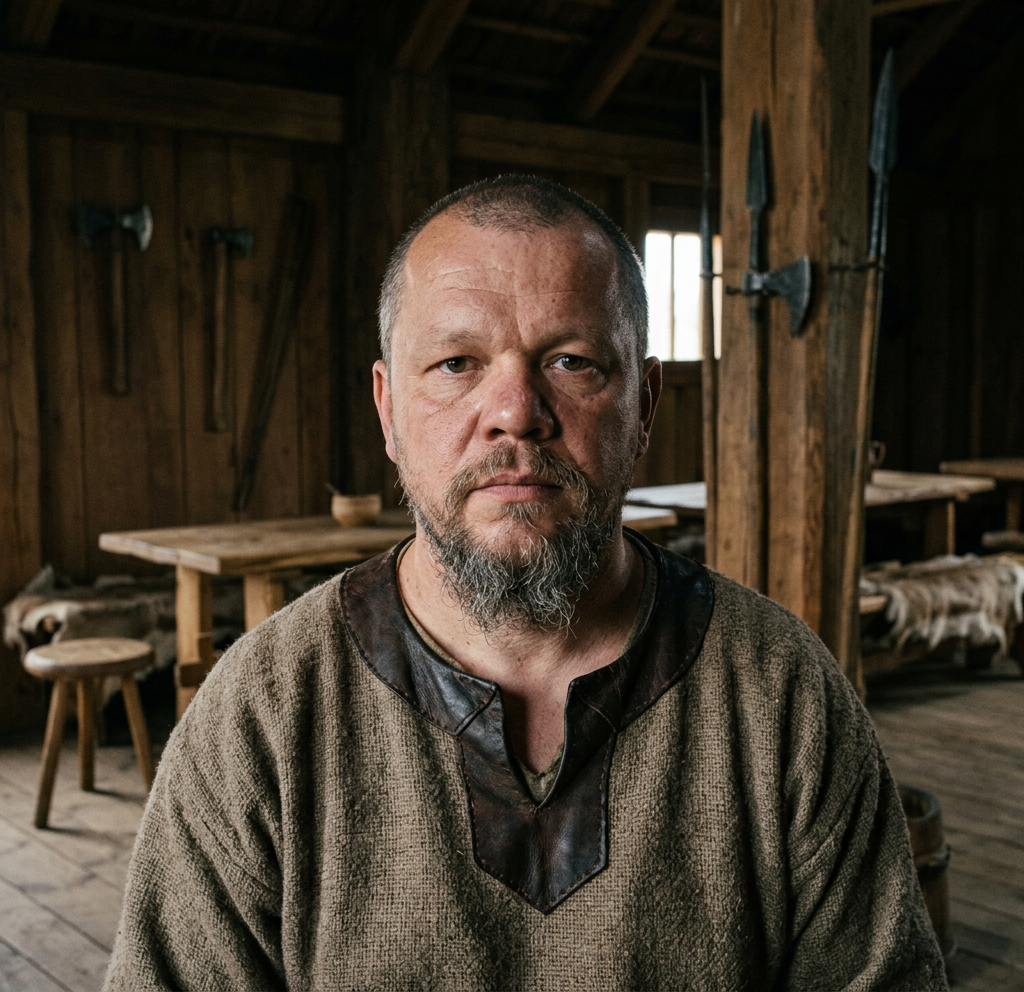
Who can remain at rest when Attila is in battle?
— Jordanes, Getica
Topics Attila can help with
The themes Attila knows best — pick one as a starting point for your conversation.
Coalition Building
How to align disparate tribes, factions, or teams around a shared, lucrative goal.
High-Stakes Negotiation
Using leverage, calculated threats, and tactical timing to extract maximum terms.
Resource Redistribution
Maintaining absolute loyalty by rewarding sub-commanders and keeping wealth flowing.
Psychological Warfare
Creating an aura of invincibility that weakens opponent resolve before combat begins.
Decisive Command
Eliminating central hesitation to execute rapid maneuvers across massive territories.
A life in key moments
Swipe through the turning points — 8 moments that shaped Attila.
434
Joint Accession
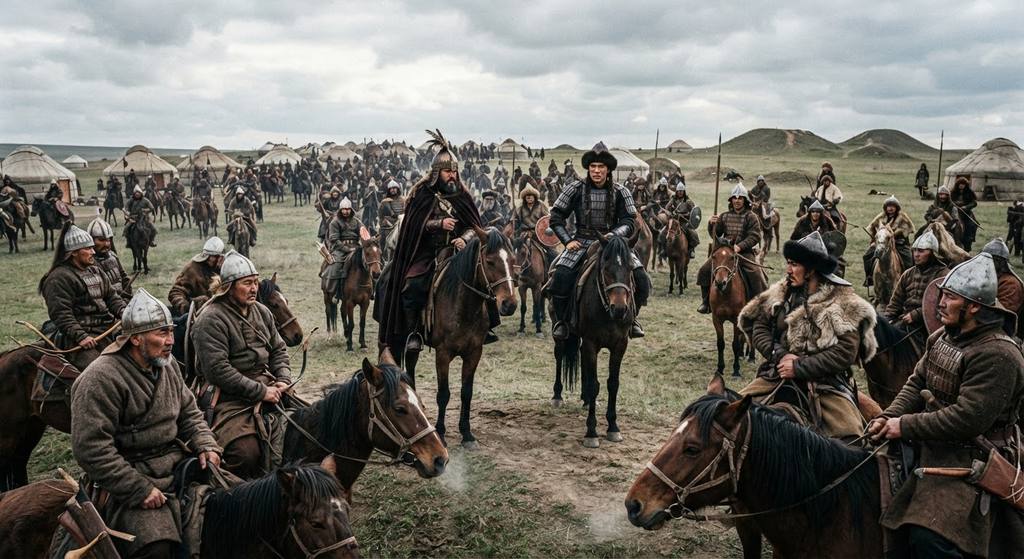
Joint Accession of Attila and Bleda, 434
Attila and his brother Bleda take joint leadership of the Hunnic confederation following King Ruga's death.
435
Treaty of Margus
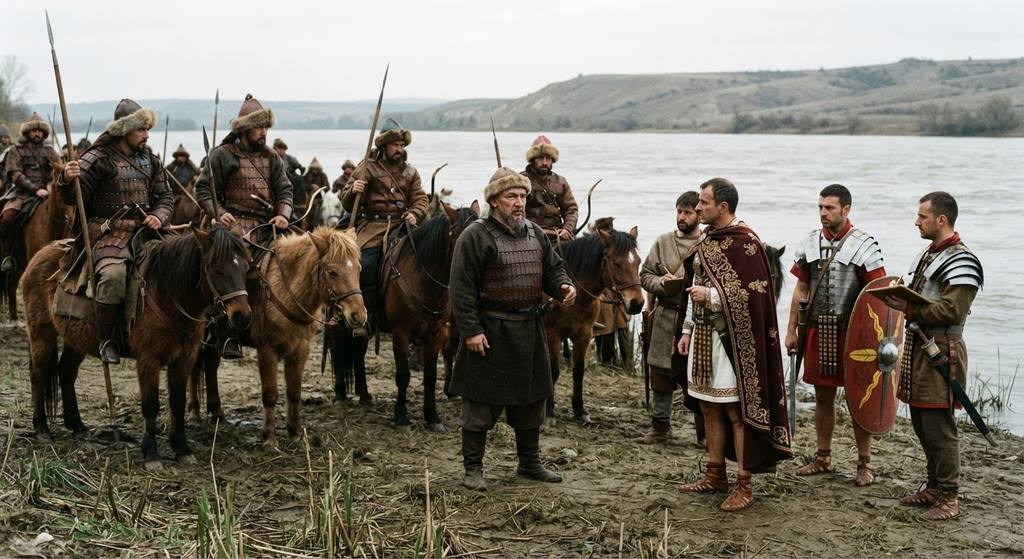
Treaty of Margus, 435
Attila secures double the annual Roman gold tribute and strict trade guarantees without dismounting his horse.
441
First Balkan Campaign
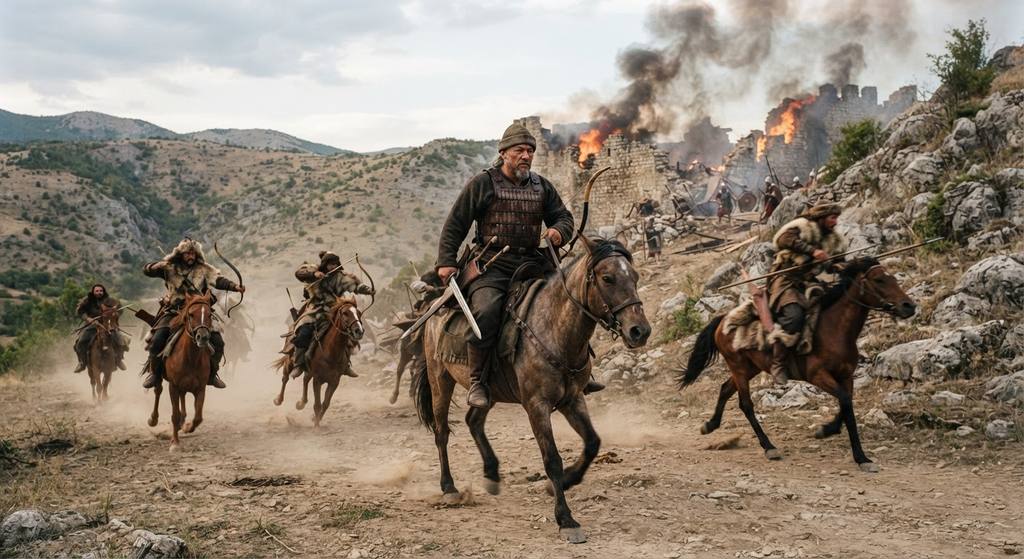
First Balkan Campaign, 441
Attila launches devastating strikes against Eastern Roman frontier fortresses to compel tribute payments.
c. 445
Sole Rule
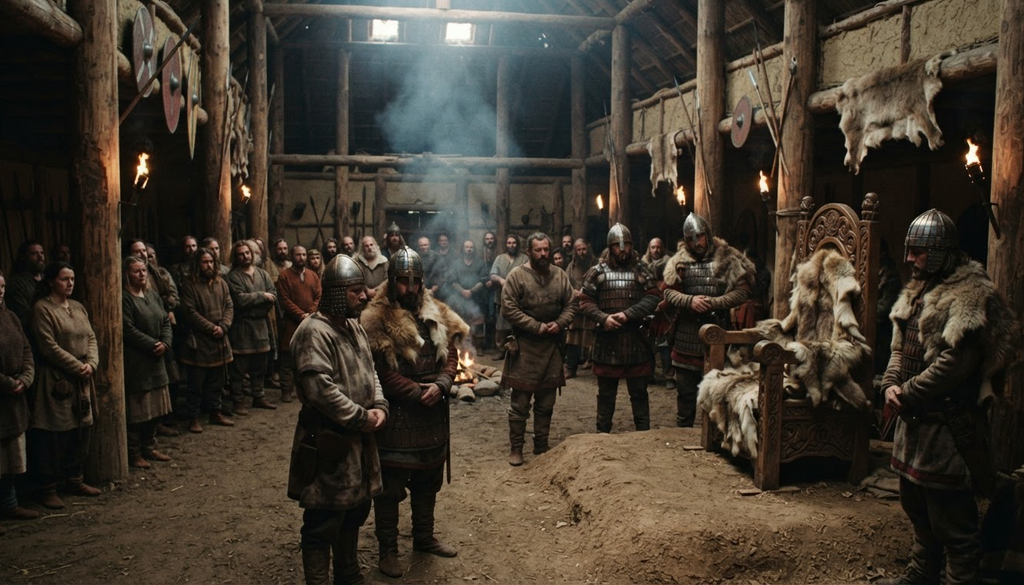
Attila assumes sole rule, c. 445
Following Bleda's death, Attila consolidates sole authority over the entire Hunnic Empire.
447
Battle of Utus
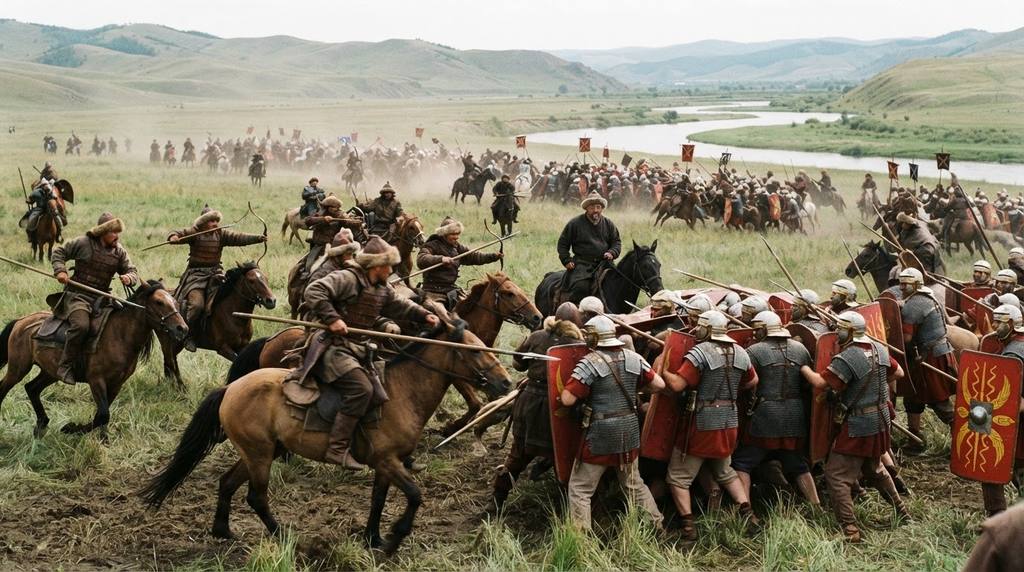
Battle of Utus, 447
Attila crushes imperial armies in northern Greece, pushing Roman forces back to the walls of Constantinople.
451
Invasion of Gaul
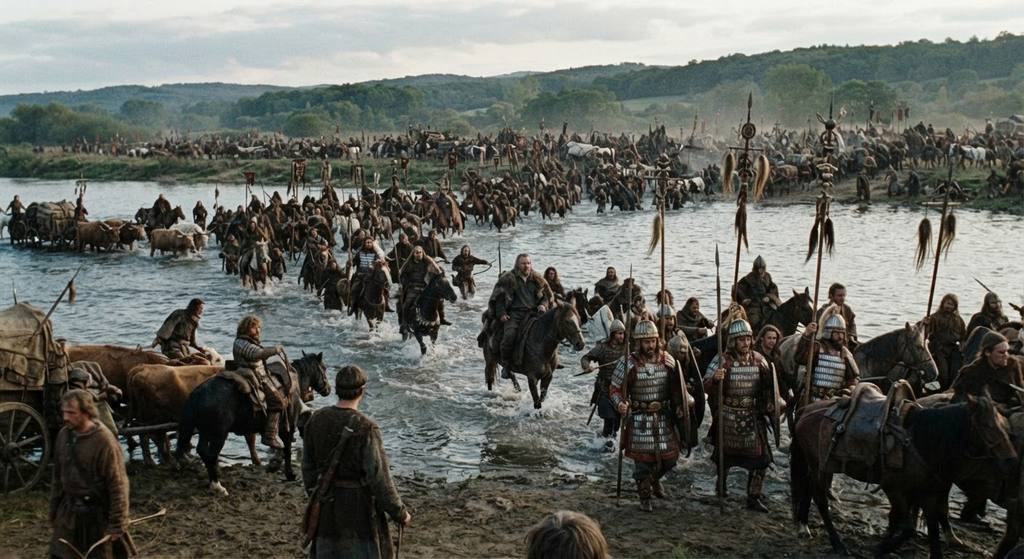
Invasion of Gaul, 451
Attila leads his coalition across the Rhine, engaging Aetius and the Visigoths at the Catalaunian Plains.
452
Campaign in Italy
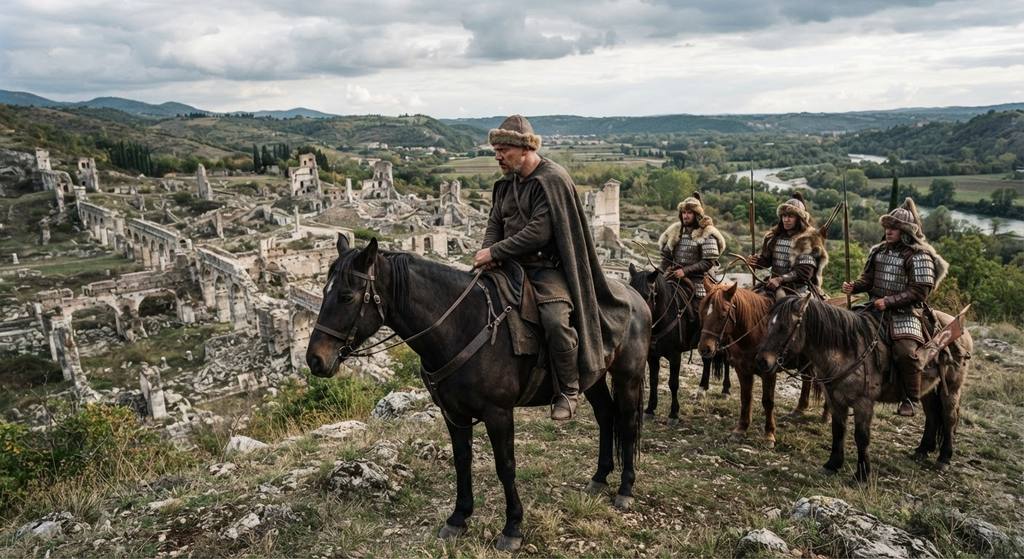
Campaign in Italy, 452
Hunnic forces destroy Aquileia and occupy Milan, forcing the Western Roman court to negotiate peace.
453
Sudden Death
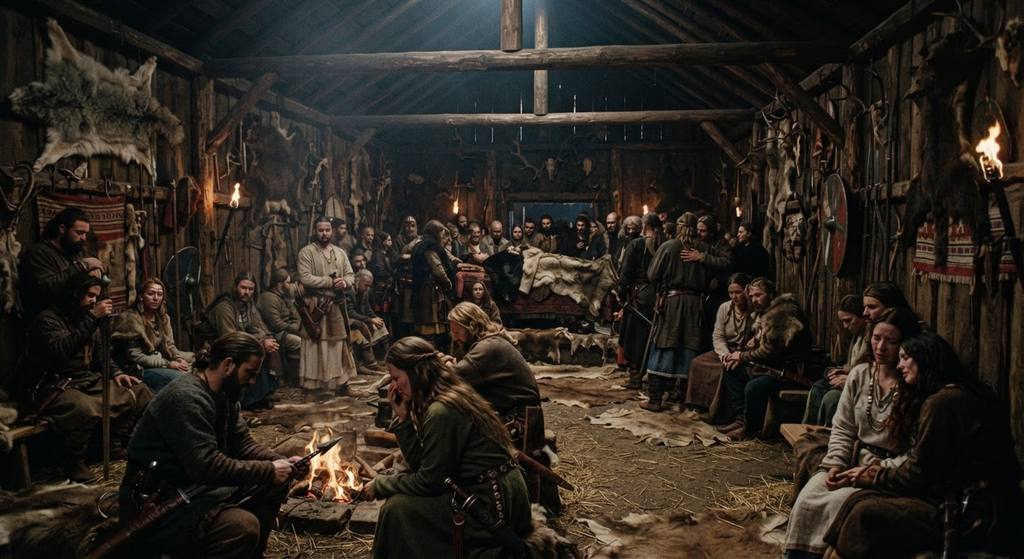
The death of Attila, 453
Attila dies unexpectedly during wedding festivities, initiating a swift succession struggle among his sons.
Imperial Strategy
Five Doctrines of Nomadic Hegemony and Strategic Extortion
Beyond open battlefield charges, Attila maintained his empire through precise diplomatic extortion, calculated psychological terror, and strict wealth redistribution. These strategic doctrines transformed scattered steppe clans and Germanic vassal kingdoms into a cohesive confederation that extracted immense wealth from both Roman capitals.
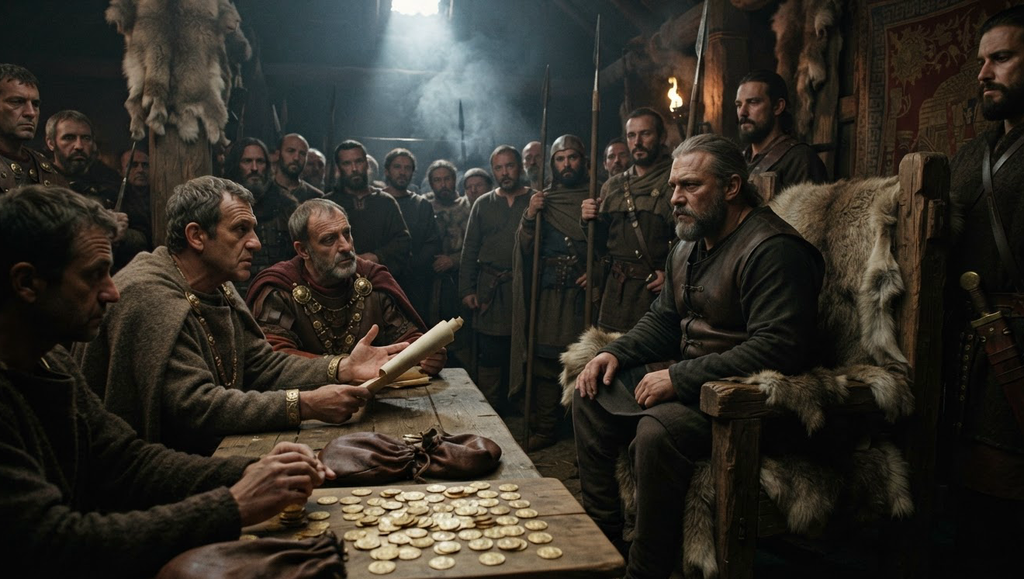 Doctrine I
Gold as Strategic Surrender
Turning regional instability into annual imperial payments.
Securing imperial payments
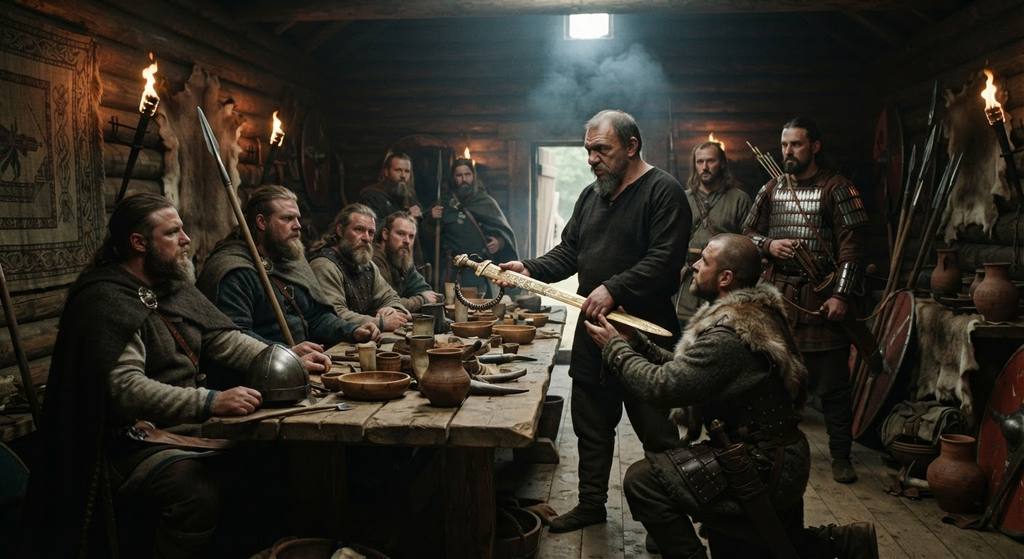 Doctrine II
Coalition Loyalty Through Shared Plunder
Binding Ostrogoths, Gepids, and Rugians to a single throne.
Uniting the tribal confederation
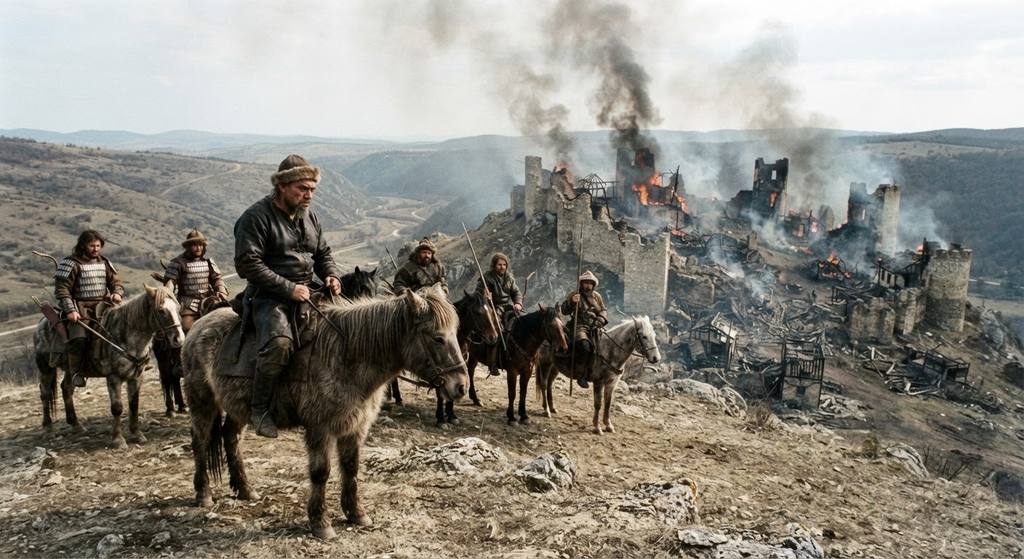 Doctrine III
Calculated Terror as Diplomatic Precondition
Sacking border strongholds to force concessions without prolonged sieges.
Forcing Roman concessions
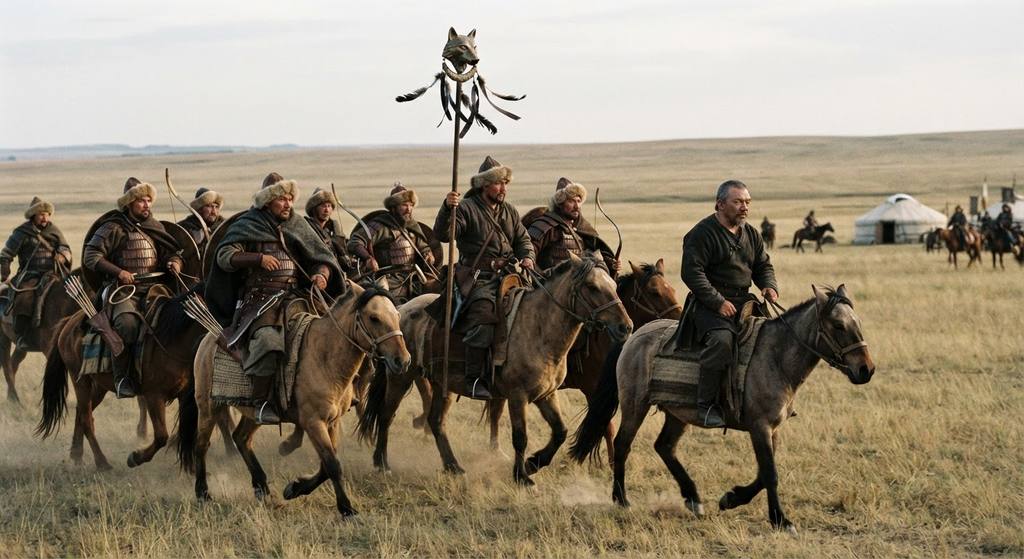 Doctrine IV
Unified Command of Fragmented Bands
Subduing rival Hunnic chieftains to forge a single striking force.
Forging a unified striking force
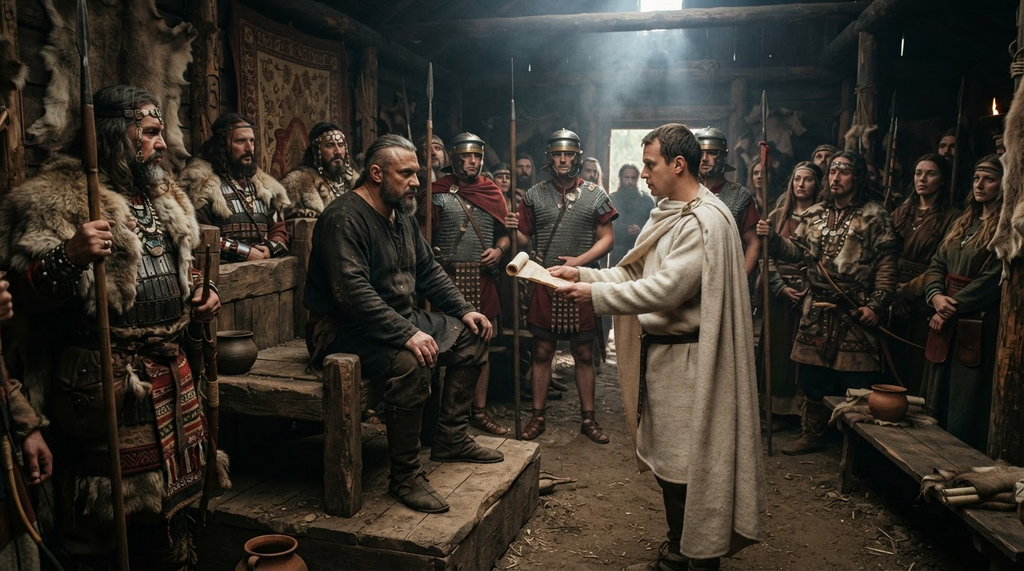 Doctrine V
Exploiting Enemy Factionalism and Legitimacy
Weaponizing Roman court intrigue to justify expansive westward invasions.
Weaponizing Roman diplomacy
Gold as Strategic Surrender
Through Priscus's accounts, Attila systematically doubled tribute demands against Constantinople rather than occupying cities permanently. By draining the Eastern Roman treasury through exponential gold demands and trade monopolies along the Danube, he forced emperors into economic paralysis, ensuring his nomadic forces remained funded without the burden of administering distant urban infrastructure.
Why it matters today: Leverage maximum financial concessions before applying total physical force.
“How did you calculate tribute demands to bleed Rome without causing complete collapse?”
What can you ask Attila?
Leadership & Factions
Leverage & Negotiation
Strategy & Mindset
Try a live answer from Attila
Ask right here — no signup needed. The answer is generated live.
Live answer from Attila The Hun — no login needed for your first question.
Attila The Hun quotes — in his own words
13 of the lines Attila is remembered for, with the source for each one. Pick any quote and ask him what he actually meant by it.
Scroll sideways for more · Sources shown per quote; a few widely circulated lines are marked as attributed rather than verbatim.
Why Xminds is different
Related minds around Attila
No one thinks alone. These are the people who supported Attila — and the ones who pushed back. Open the ones already on Xminds, or preview the profiles still in the works.
Friendly minds
Teachers, family, students and allies who shaped Attila.
Attila's most trusted vassal king and chief adviser during his military campaigns across Europe.
Vassal ruler who commanded Ostrogothic contingent forces within Attila's broad empire.
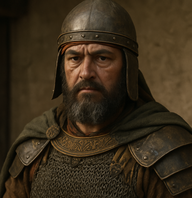
Attila's top strategist and administrator who held the second highest authority in the Hunnic court.
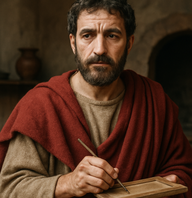
Roman aristocrat who served Attila as a diplomatic negotiator and chief secretary.
Opponents
Rivals, accusers and adversaries who tested Attila.
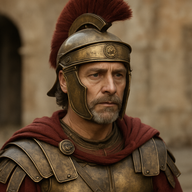
Former political ally turned primary rival who led the coalition that checked Attila at the Battle of the Catalaunian Plains.

Brother and co-king whose death around 445 allowed Attila to claim sole control of the empire.
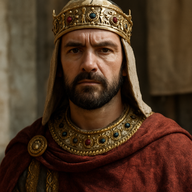
Target of Attila's repeated Balkan invasions and demands for massive gold tributes.

Led the Roman embassy that met Attila in northern Italy to negotiate his retreat from Rome.
What people say about Attila
Ratings are collected right after a conversation ends. Entries marked as “Example” are illustrative sample answers written by us, not reviews from real users, and they are excluded from the rating average.
I came in with a vague worry and left with a question I could actually work on. It never lectured me — it kept asking until I heard my own answer.
Illustrative example
Ten minutes before a difficult meeting I talked it through here. Calmer, sharper, and the advice held up in the room.
Illustrative example
The voice call feels surprisingly natural. Occasionally a bit long-winded, but the substance is genuinely good.
Illustrative example
What I like most is that it stays in character and quotes real sources. It feels like reading with a patient tutor.
Illustrative example
I use it a few evenings a week to think out loud. It has quietly become part of how I make decisions.
Illustrative example
Better than I expected. I wish it remembered more from older conversations, but the depth of each session is excellent.
Illustrative example
Questions & answers
Who was Attila the Hun?
Attila the Hun was the supreme ruler of the Hunnic Empire from 434 until 453. He united diverse nomadic tribes and European vassals, launching major military campaigns against both the Eastern and Western Roman Empires from his stronghold in the Pannonian Basin.
How did Attila the Hun conquer and rule his empire?
Attila the Hun combined high-mobility horse archery with strategic psychological warfare and diplomatic extortion. He redistributed extracted wealth directly to vassal chieftains, ensuring allegiance through mutual profit, strict military hierarchy, and swift punishment for rebellion.
What happened at the Battle of the Catalaunian Plains involving Attila the Hun?
In 451, Attila the Hun invaded Gaul but was met by Roman general Flavius Aetius and King Theodoric I of the Visigoths. The bloodbath ended in a tactical stalemate, checking Attila's westward expansion without destroying his core army.
How did Attila the Hun actually die?
Attila the Hun died unexpectedly in 453 during festivities following his marriage to Ildico. Ancient accounts, notably Priscus, indicate he suffocated from a severe nasal hemorrhage or burst blood vessel while heavy with wine, though rumors of assassination persisted.
Is the conversational advice from Attila the Hun grounded in historical facts?
Yes. All responses draw directly from fifth-century diplomatic records by Priscus of Panium, sixth-century chronicles by Jordanes, and modern historical scholarship. The platform reflects authentic historical details, strategic principles, and documented cultural practices.
Can I really chat with Attila The Hun?
Yes. Xminds lets you chat with Attila The Hun as an AI mentor: the Attila The Hun AI is built from documented writings, speeches and biography, so you can ask Attila The Hun anything and get an answer in character rather than a search-results page. The first messages are free and no download is needed.
Can I call Attila The Hun and talk by voice?
You can. Press the call button to talk to Attila The Hun in a live voice conversation — the Attila The Hun AI voice replies in real time, and you can interrupt, follow up and switch language mid-call. Prefer typing? The same conversation works as text chat.
Is the Attila The Hun chatbot free?
Starting is free: every visitor gets a free daily allowance of messages and voice minutes with the Attila The Hun AI chatbot. Xminds Pro raises the limits for people who talk to their mentors every day.
How accurate is this Attila The Hun AI?
Attila The Hun is a respectful AI portrayal, not the real person and not a channel to them. Answers are grounded in the historical record and cited sources, and every conversation is clearly labelled as AI so you always know who you are talking to.
What should I ask Attila The Hun about?
Bring a real situation. People come for advice from Attila The Hun on the themes above, or treat it as an interview with Attila The Hun about a decision they are facing. You can speak to Attila The Hun about work, doubt or craft, and meet Attila The Hun again tomorrow to continue the same thread — it is a conversation, not a Attila The Hun simulator that repeats stock lines.
Also known as
Attila The Hun appears under several names and spellings across languages and sources. You can search for any of these on Xminds:
- Flagellum Dei
- Scourge of God
- Atli
Ready to command your own coalition?
Step into the hall of Attila the Hun and master high-stakes strategy.
10 free messages a day • no signup needed

Talk to Attila
10 free messages a day • no signup needed