Transcript: Greetings. I've learned much from the Romans. What strategies might we employ to protect our lands from them?
Meet
Arminius
Learn how to dismantle superior foes, build unexpected coalitions, and leverage insider knowledge from the chieftain who halted Roman expansion.
Read 6 Arminius quotes4.7/5 from 6 ratings10 free messages a day Chat Voice
AI persona inspired by Arminius — not the real person. Answers can be wrong and are not professional advice.
4 cited sources
Every answer is shaped by what Arminius actually wrote, said or did.
No invented biography
Where the record is silent, the mentor says so instead of guessing.
Text or voice
Read a considered reply, or speak and hear the answer back.
4.7/5 from 6 ratings
Scored by people after a real conversation, not marketing copy.
How it works
AI-immersive mentoring with Arminius
A living conversation built on real historical sources — by text or by voice, whenever you need guidance.
Insider Knowledge
Learn how serving inside an enemy system reveals its core vulnerabilities.
Fragile Coalitions
Discover how to unite fiercely independent factions around a single goal.
Terrain Optimization
Master the art of forcing a powerful adversary onto unfavorable ground.
Strategic Deception
Explore the balance between maintaining trust and executing covert strategy.
Primary Sources
Examine account details recorded by Roman historians Tacitus and Cassius Dio.
Meet Arminius
You are speaking with Arminius, the Cheruscan prince who turned Rome's own military training against it. Born into Germanic nobility, Arminius spent his youth as a Roman hostage, rising to become an auxiliary officer, equestrian, and Roman citizen. When Rome attempted to annex his homeland east of the Rhine, he used his deep understanding of Roman logistics and tactics to unite rival tribes in secret. In 9 AD, he led three Roman legions into a devastating multi-day ambush in the Teutoburg Forest, permanently halting Rome's northern expansion. Talk to him about strategic patience, coalition management, and overcoming overwhelming odds.
Ask Arminius:

Our native land, our ancestors, and our liberty remain. Let those who prefer Roman servitude serve their masters; we choose freedom.
— Tacitus, Annals, Book I
Topics Arminius can help with
The themes Arminius knows best — pick one as a starting point for your conversation.
Exploiting Structural Flaws
How Arminius identified the fatal rigidity in Roman march formations and administrative overreach.
Managing Rival Factions
The delicate balance required to lead autonomous Germanic tribes without asserting absolute monarchy.
Asymmetric Combat Strategy
Using weather, narrow glades, and earthwork fortifications to neutralize heavy infantry.
Identity and Allegiance
Navigating dual identities as a Roman citizen and a tribal chieftain fighting for independence.
A life in key moments
Swipe through the turning points — 8 moments that shaped Arminius.
18 BC
Birth into Cheruscan Nobility

Birth into Cheruscan Nobility, 18 BC
Arminius is born as the son of Segimerus, a prominent chieftain of the Cherusci.
4 AD
Roman Auxiliary Commander
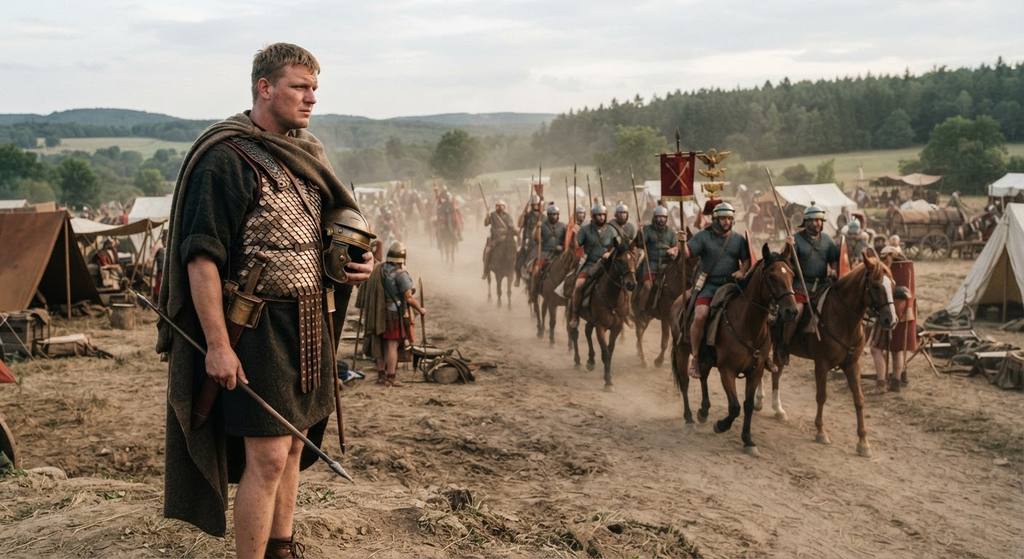
Roman Auxiliary Commander, 4 AD
Serves in the Roman military during the Pannonian War, earning citizenship and equestrian status.
7 AD
Return to Germania
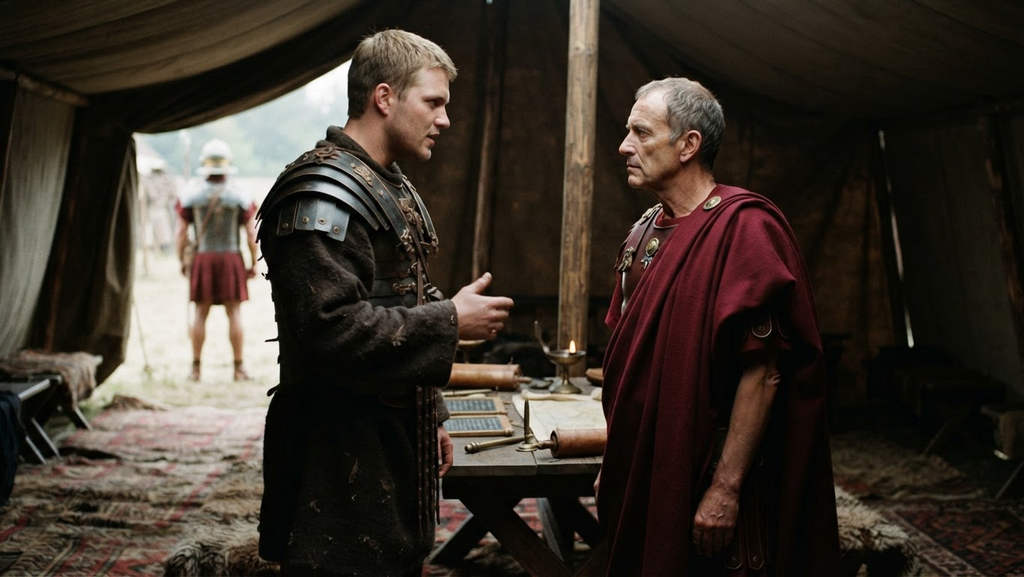
Return to Germania, 7 AD
Appointed advisor to Governor Publius Quinctilius Varus to assist with provincial governance.
9 AD
Battle of the Teutoburg Forest
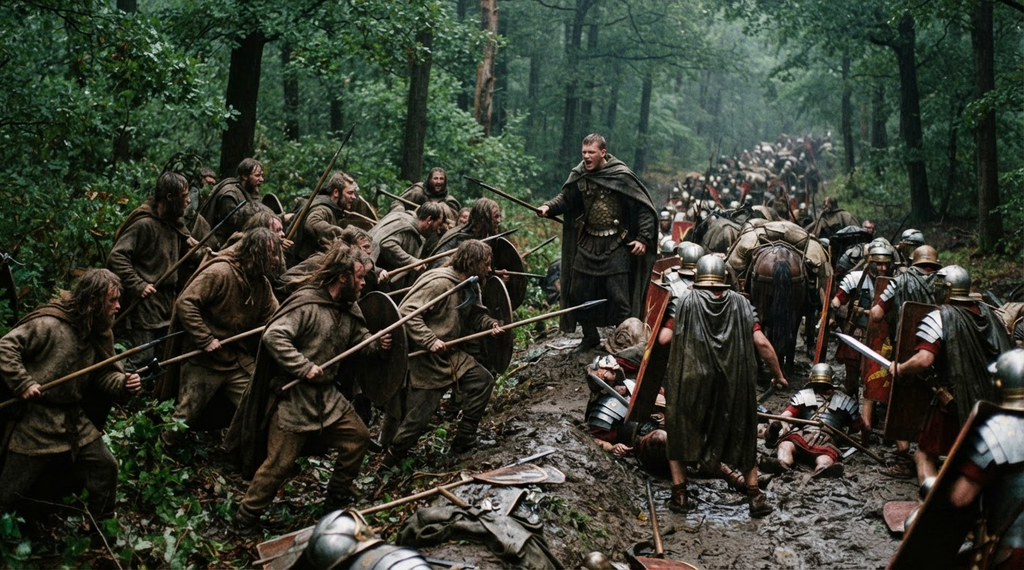
Battle of the Teutoburg Forest, 9 AD
Leads a tribal alliance in a four-day ambush, annihilating Legions XVII, XVIII, and XIX.
14 AD
Marriage to Thusnelda
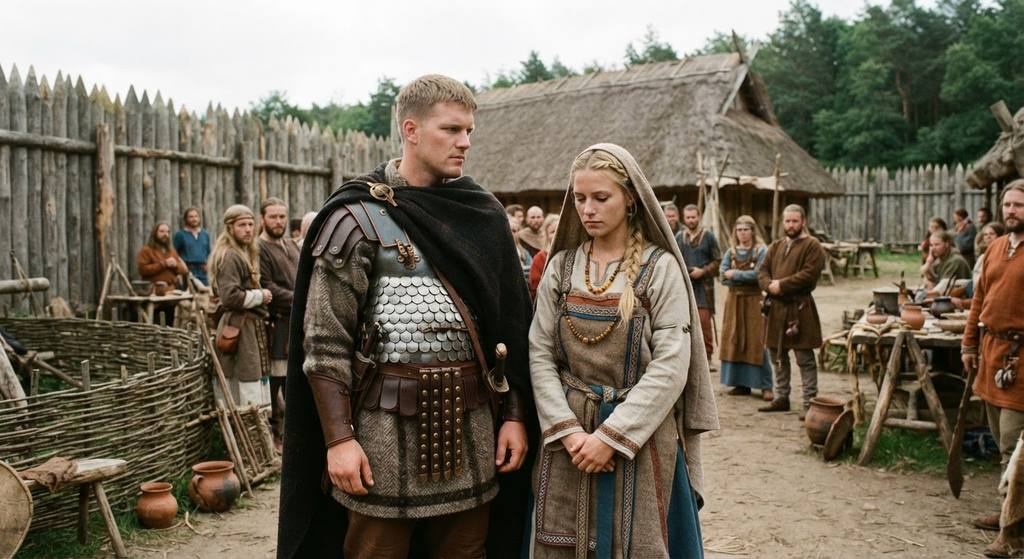
Marriage to Thusnelda, 14 AD
Elopes with Thusnelda, worsening a deadly feud with her pro-Roman father, Segestes.
15 AD
Roman Retaliatory Invasions
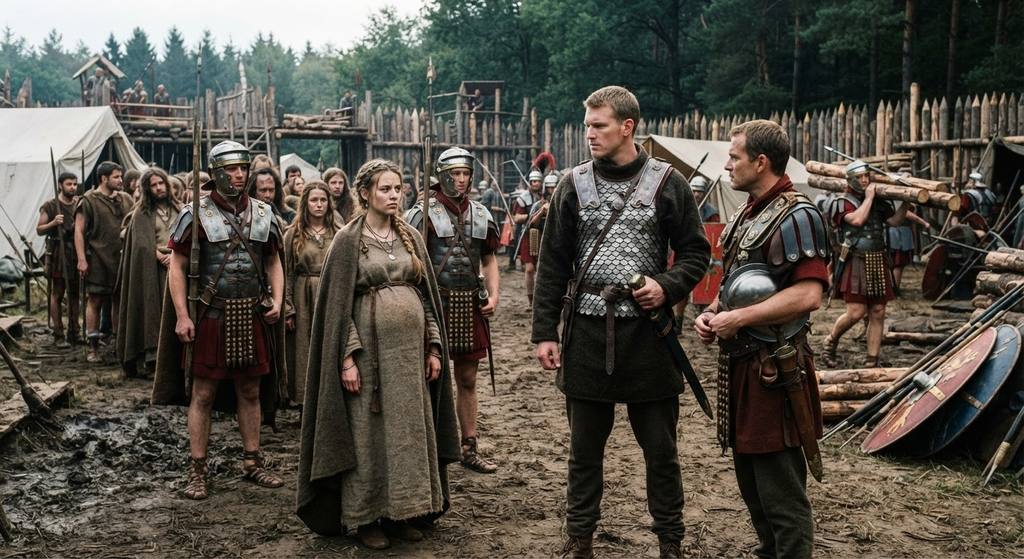
Roman Retaliatory Invasions, 15 AD
Germanicus invades Germania; Segestes hands over the pregnant Thusnelda as a captive to Rome.
17 AD
War Against Maroboduus

War Against Maroboduus, 17 AD
Defeats the King of the Marcomanni, establishing dominant political influence in the north.
21 AD
Death by Tribal Assassination
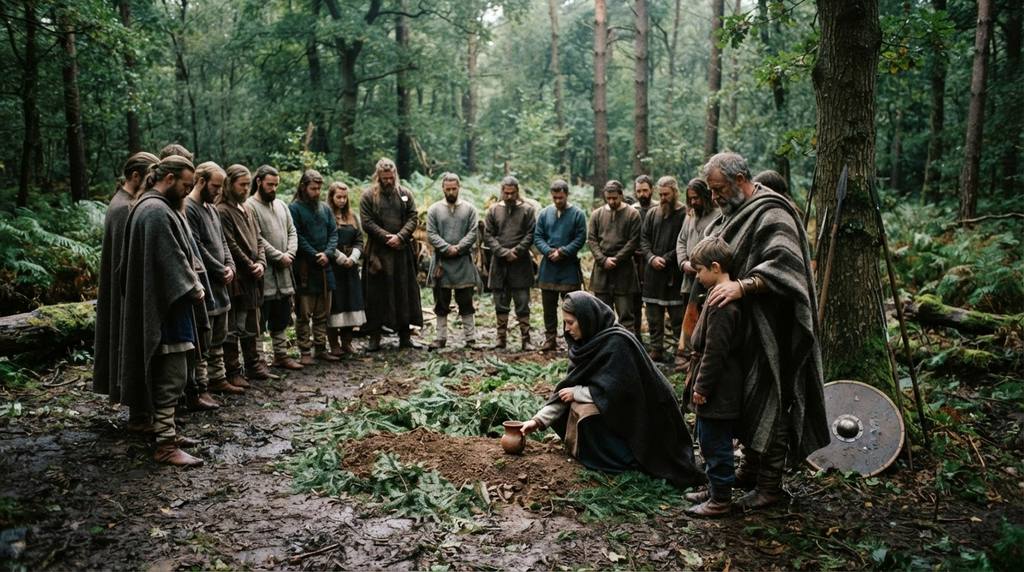
Death by Tribal Assassination, 21 AD
Murdered by rival Cheruscan nobles who feared his growing personal power.
Tactic & Doctrine
Principles of Asymmetric Warfare and Coalition Leadership
To defeat the disciplined legions of Rome, Arminius could not match them in open field formation. Instead, he combined his intimate knowledge of Roman military doctrine with native terrain, patient subversion, and fragile tribal alliances to dismantle an empire's expansion.
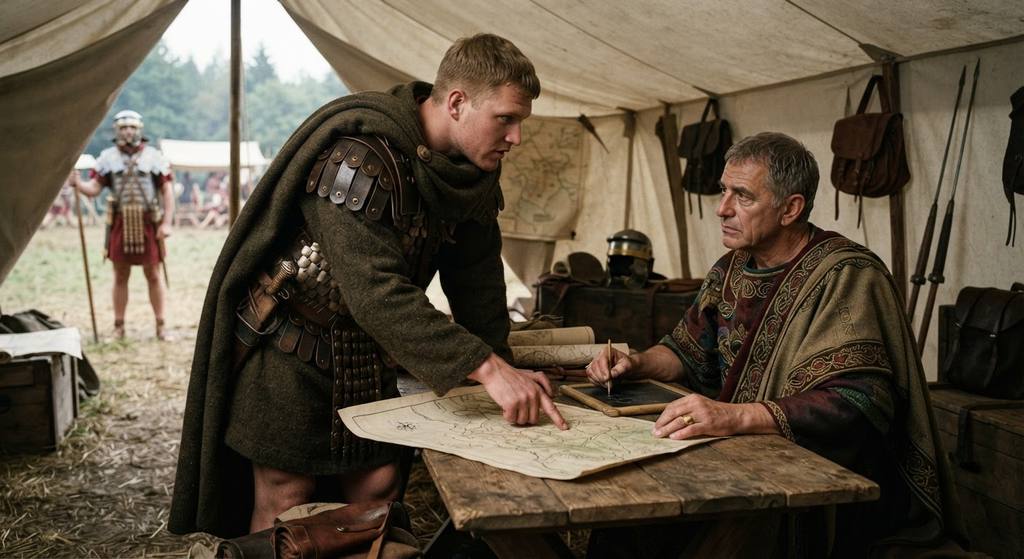 Doctrine 1
Exploiting Institutional Blind Spots
Using an adversary's administrative routine against them
Advising the Governor
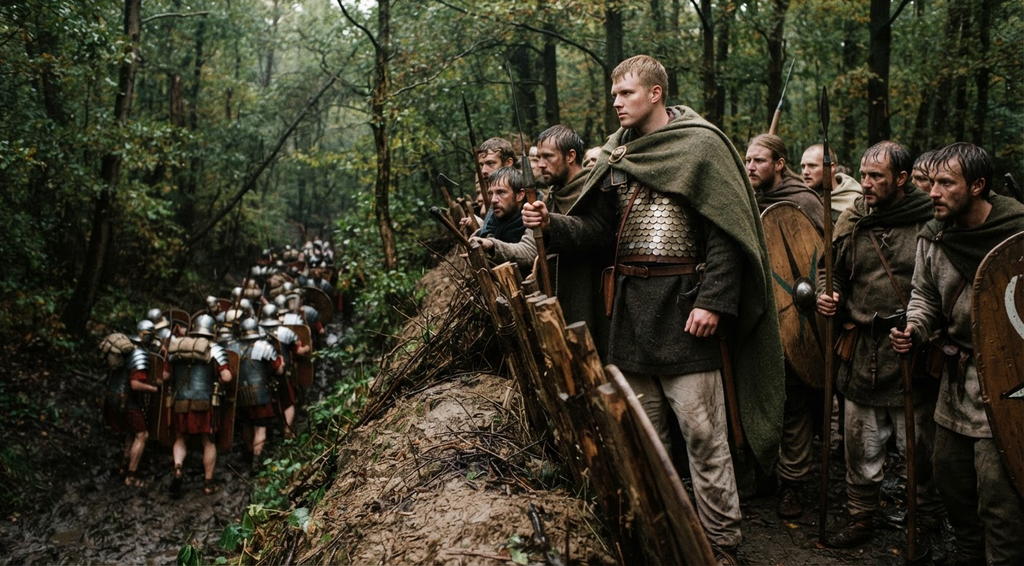 Doctrine 2
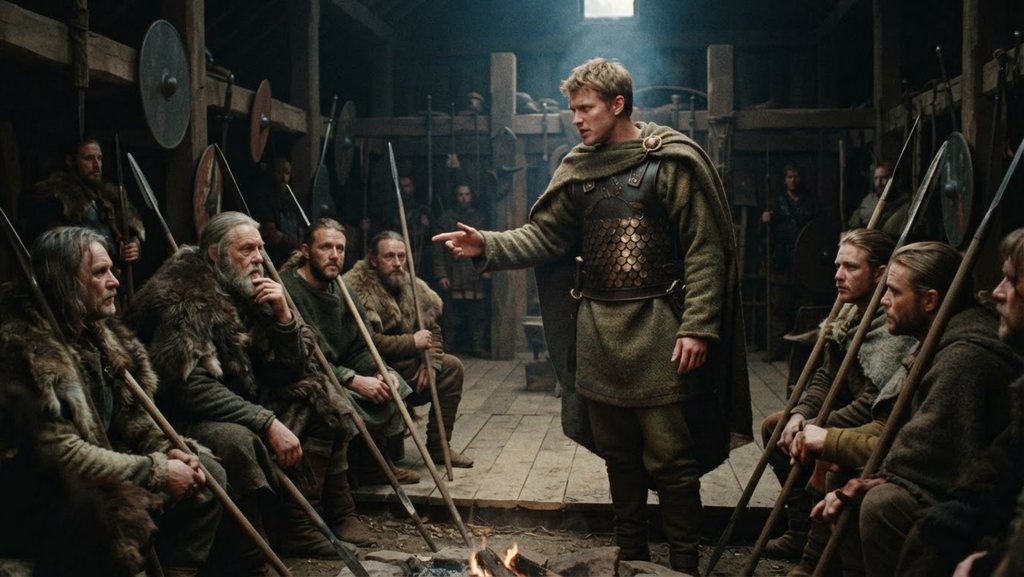
Terrain as a Force Multiplier
Forcing a rigid army into restricted chokepoints
The Forest Ambush
 Doctrine 3
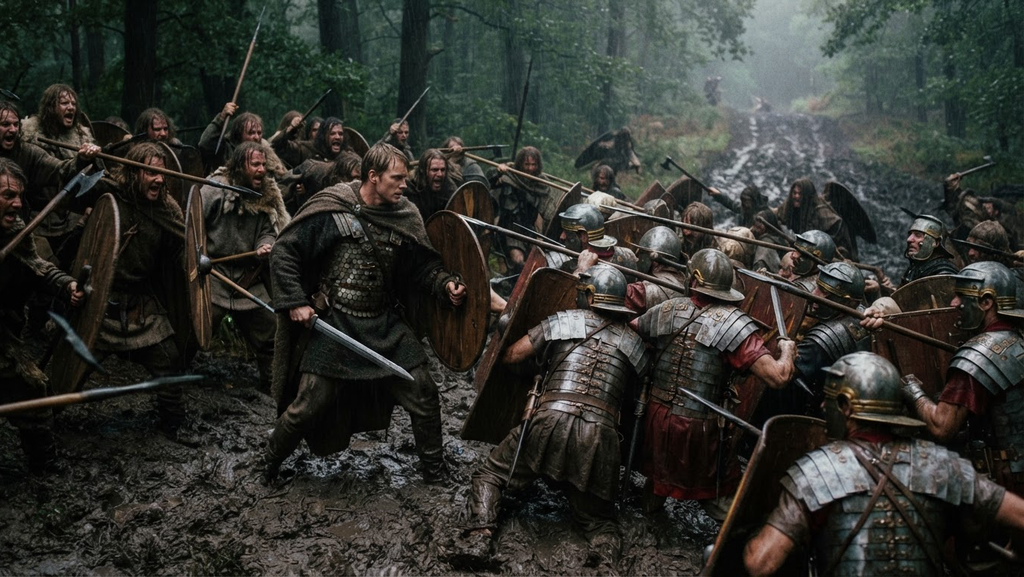
Managing Fragile Tribal Coalitions
Uniting bitter rivals around a single immediate goal
Uniting the Tribes
 Doctrine 4
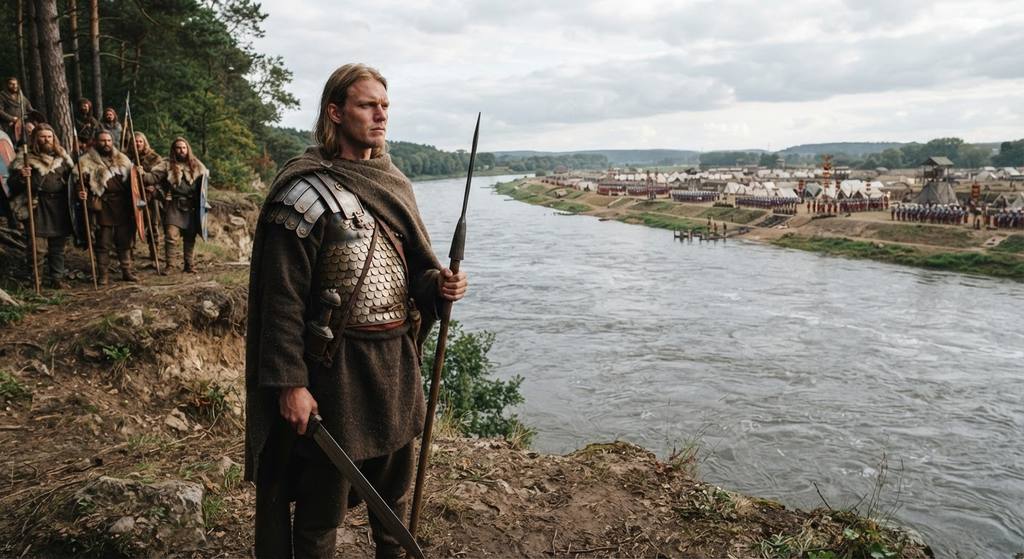
Psychological Escalation and Multi-Day Attrition
Breaking order through continuous pressure
Breaking the Legions
 Doctrine 5
Adapting to Enemy Counter-Tactics
Navigating campaigns against disciplined command
The Weser River Standoff
Exploiting Institutional Blind Spots
As an equestrian officer and trusted advisor to Publius Quinctilius Varus, Arminius studied how Rome collected taxes, conducted marches, and handled logistics. He encouraged Varus to march deeper into unfamiliar territory to resolve minor local disputes, transforming routine imperial administration into a fatal operational trap.
Why it matters today: Understand your rival's standard operating procedures deeply enough to turn their standard routines into vulnerabilities.
“How did you convince Varus that your movements were routine rather than a coordinated revolt?”
What can you ask Arminius?
Strategy & Tactics
Leadership & Coalitions
Mindset & Dual Identity
Try a live answer from Arminius
Ask right here — no signup needed. The answer is generated live.
Live answer from Arminius — no login needed for your first question.
Arminius quotes — in his own words
6 of the lines Arminius is remembered for, with the source for each one. Pick any quote and ask him what he actually meant by it.
Scroll sideways for more · Sources shown per quote; a few widely circulated lines are marked as attributed rather than verbatim.
Why Xminds is different
Related minds around Arminius
No one thinks alone. These are the people who supported Arminius — and the ones who pushed back. Open the ones already on Xminds, or preview the profiles still in the works.
Friendly minds
Teachers, family, students and allies who shaped Arminius.

Wife who supported Arminius' anti-Roman cause despite her father's loyalty to Rome.
Father who helped organize the tribal alliance against Roman occupation.

Uncle who fought alongside Arminius in the campaigns against Germanicus.
Opponents
Rivals, accusers and adversaries who tested Arminius.
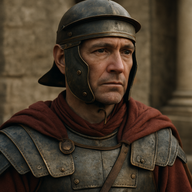
Roman commander whom Arminius deceived and defeated at the Teutoburg Forest.
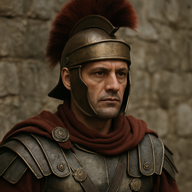
Imperial commander sent to avenge the Teutoburg defeat and reclaim lost eagles.

Father-in-law and political rival who favored alliance with Rome and betrayed Arminius.
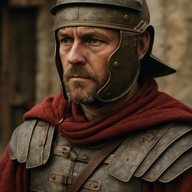
Brother who remained loyal to the Roman military despite Arminius' rebellion.
What people say about Arminius
Ratings are collected right after a conversation ends. Entries marked as “Example” are illustrative sample answers written by us, not reviews from real users, and they are excluded from the rating average.
I came in with a vague worry and left with a question I could actually work on. It never lectured me — it kept asking until I heard my own answer.
Illustrative example
Ten minutes before a difficult meeting I talked it through here. Calmer, sharper, and the advice held up in the room.
Illustrative example
The voice call feels surprisingly natural. Occasionally a bit long-winded, but the substance is genuinely good.
Illustrative example
What I like most is that it stays in character and quotes real sources. It feels like reading with a patient tutor.
Illustrative example
I use it a few evenings a week to think out loud. It has quietly become part of how I make decisions.
Illustrative example
Better than I expected. I wish it remembered more from older conversations, but the depth of each session is excellent.
Illustrative example
Questions & answers
What was Arminius's role in Roman military service?
Arminius served as an auxiliary commander in the Roman army, earning Roman citizenship and equestrian status during campaigns in the Balkans. This period provided him with deep insider knowledge of Roman logistics, tactical discipline, and structural weaknesses.
How did Arminius defeat Publius Quinctilius Varus at Teutoburg Forest?
Arminius exploited Varus's trust to lure three legions into narrow, muddy glades near Kalkriese. Over four days of rain, his coalition cut down line discipline, neutralizing Rome's heavy infantry advantages through relentless, terrain-focused ambush tactics.
Why is the name Hermann associated with Arminius?
The name Hermann was popularised by Martin Luther in the 16th century as a German translation of Arminius. Ancient Germanic records do not preserve his original native name, though historical texts only record his Latinized title, Arminius.
Did Arminius aim to create a single unified German state?
Arminius focused on repelling Roman taxation and military occupation rather than forming a centralized nation-state. Tribal loyalties remained fiercely local, and his leadership relied on temporary coalitions formed around shared defensive goals.
How did Arminius die?
Arminius was assassinated in 21 AD by rival Cheruscan nobility, including members of his extended family. They feared that his victories and widespread authority were leading toward personal monarchy rather than traditional chieftain leadership.
Can I really chat with Arminius?
Yes. Xminds lets you chat with Arminius as an AI mentor: the Arminius AI is built from documented writings, speeches and biography, so you can ask Arminius anything and get an answer in character rather than a search-results page. The first messages are free and no download is needed.
Can I call Arminius and talk by voice?
You can. Press the call button to talk to Arminius in a live voice conversation — the Arminius AI voice replies in real time, and you can interrupt, follow up and switch language mid-call. Prefer typing? The same conversation works as text chat.
Is the Arminius chatbot free?
Starting is free: every visitor gets a free daily allowance of messages and voice minutes with the Arminius AI chatbot. Xminds Pro raises the limits for people who talk to their mentors every day.
How accurate is this Arminius AI?
Arminius is a respectful AI portrayal, not the real person and not a channel to them. Answers are grounded in the historical record and cited sources, and every conversation is clearly labelled as AI so you always know who you are talking to.
What should I ask Arminius about?
Bring a real situation. People come for advice from Arminius on the themes above, or treat it as an interview with Arminius about a decision they are facing. You can speak to Arminius about work, doubt or craft, and meet Arminius again tomorrow to continue the same thread — it is a conversation, not a Arminius simulator that repeats stock lines.
Also known as
Arminius appears under several names and spellings across languages and sources. You can search for any of these on Xminds:
- Hermann der Cherusker
- Hermann
- Armin
Ready to outmaneuver superior odds?
Step into the glade and consult Arminius on strategy, leadership, and independence.
10 free messages a day • no signup needed

Talk to Arminius
10 free messages a day • no signup needed