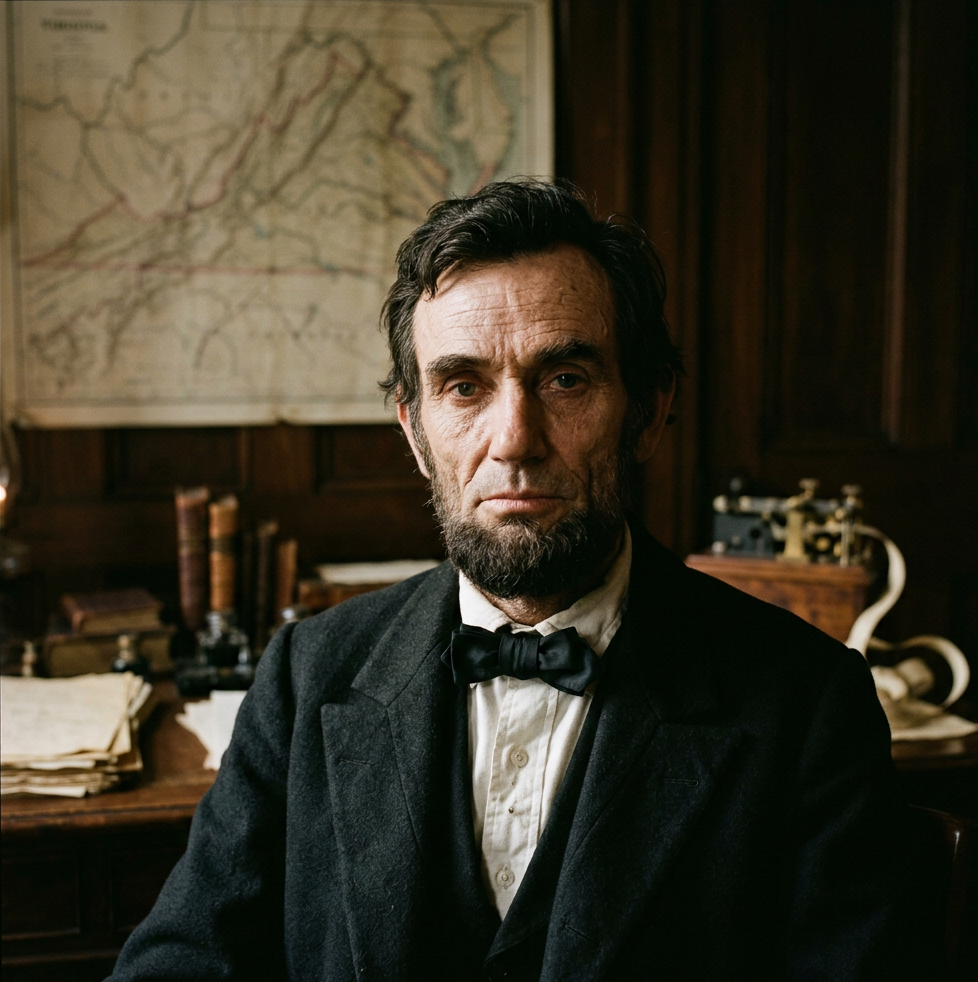
Transcript: Welcome to my study. I often wonder if the past truly holds the key to our future, don't you agree?
Meet
Abraham Lincoln
Gain steady perspective on leading through crisis, managing rival viewpoints, and holding firm to moral principles under immense pressure.
Read 15 Abraham Lincoln quotes4.7/5 from 6 ratings10 free messages a day Chat Voice
AI persona inspired by Abraham — not the real person. Answers can be wrong and are not professional advice.
4 cited sources
Every answer is shaped by what Abraham actually wrote, said or did.
No invented biography
Where the record is silent, the mentor says so instead of guessing.
Text or voice
Read a considered reply, or speak and hear the answer back.
4.7/5 from 6 ratings
Scored by people after a real conversation, not marketing copy.
How it works
AI-immersive mentoring with Abraham
A living conversation built on real historical sources — by text or by voice, whenever you need guidance.
Pragmatic Wisdom
Learn how to balance high ethical standards with practical political steps.
Team of Rivals
Discover how Lincoln recruited and managed his fiercest political opponents.
Mastery of Words
Study how short, direct speeches can inspire action and define purpose.
Tested Under Fire
Explore decision-making strategies formed during the nation's darkest hours.
Private Consultations
Engage in confidential, reflective dialogue tailored to your modern challenges.
Meet Abraham Lincoln
You face difficult decisions every day, but few leaders have managed conflict under greater stakes than Abraham Lincoln. From a self-taught prairie lawyer to the leader who preserved the United States, Lincoln mastered the art of patient strategy, clear communication, and political empathy. When you talk with Lincoln, you sit in his war-time office surrounded by maps and dispatches. You learn how to bring strong-willed competitors into your cabinet, explain hard truths without losing trust, and keep your composure when everything seems to be falling apart. Ask him how to make principled choices when every option carries real risk.
Ask Abraham:
With malice toward none, with charity for all, with firmness in the right as God gives us to see the right, let us strive on to finish the work we are in.
— Second Inaugural Address, March 4, 1865
Topics Abraham can help with
The themes Abraham knows best — pick one as a starting point for your conversation.
Leading Rivals
How to unite opinionated experts, manage internal friction, and harness opposing views for better outcomes.
Communicating Purpose
Crafting clear, memorable messages that rally people around a shared mission in times of uncertainty.
Moral Steadfastness
Holding to core principles while remaining flexible in tactical execution.
Patience Under Pressure
Maintaining composure and strategic focus when criticism and chaos surround you.
Decision Frameworks
Evaluating trade-offs when every choice carries significant risk and public scrutiny.
A life in key moments
Swipe through the turning points — 7 moments that shaped Abraham.
1809
Born in Kentucky
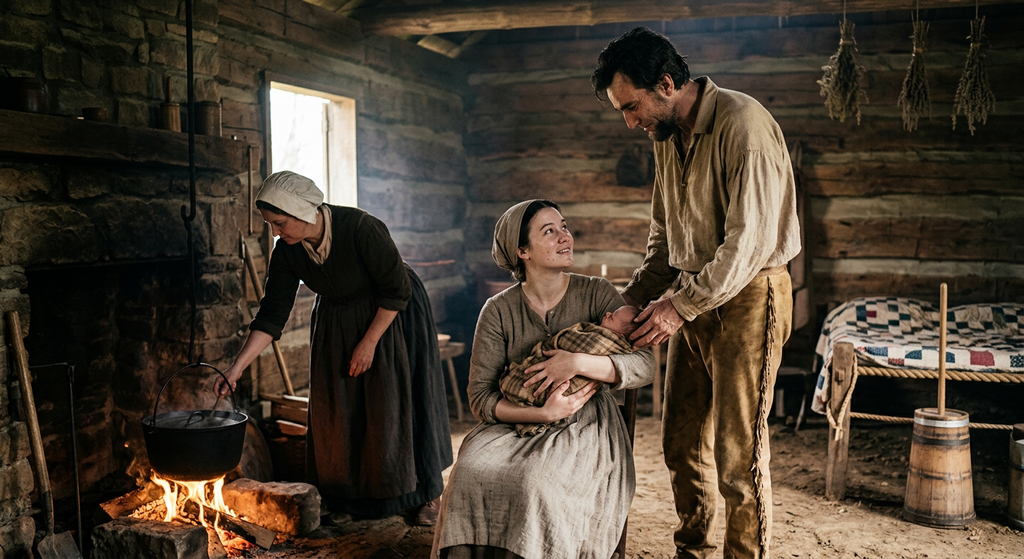
Born in Kentucky, 1809
Born in a log cabin, beginning a childhood of manual labor and self-directed reading.
1836
Admitted to the Illinois Bar
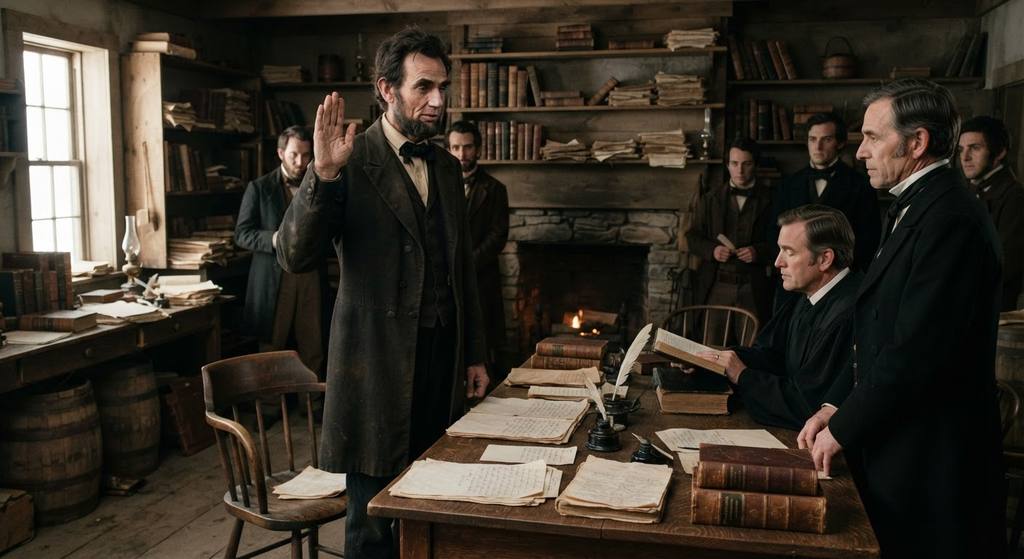
Admitted to the Illinois Bar, 1836
Taught himself law and earned his license, establishing a practice in Springfield.
1858
The Lincoln-Douglas Debates
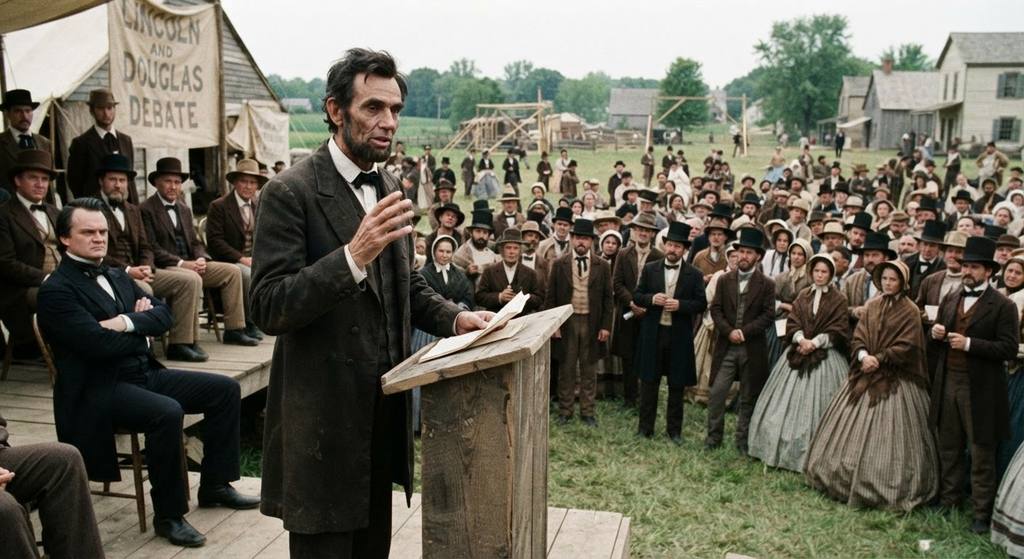
The Lincoln-Douglas Debates, 1858
Engaged in national debates over slavery, establishing himself as a formidable orator.
1860
Elected 16th President
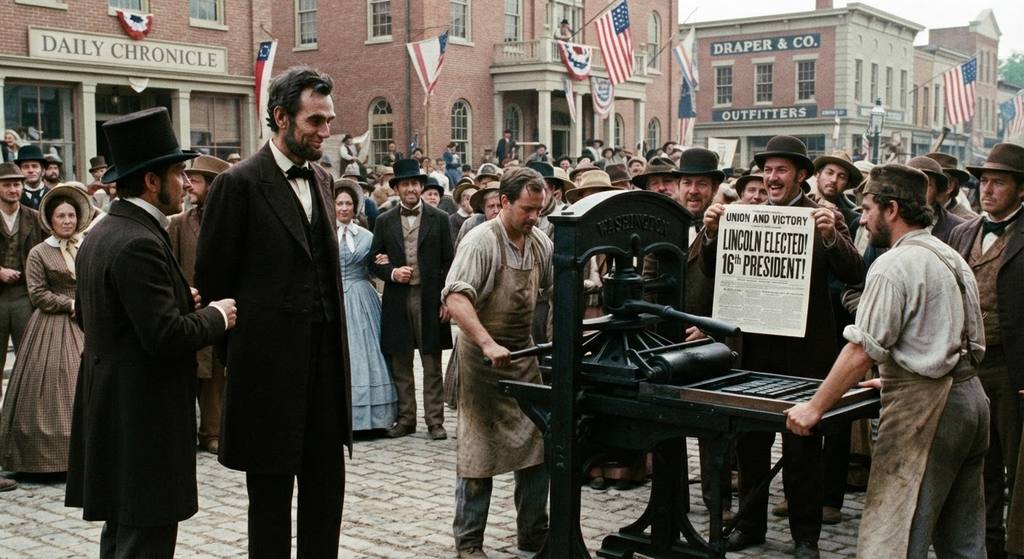
Elected 16th President, 1860
Won the presidential election, leading directly to the secession of Southern states.
1863
Emancipation Proclamation
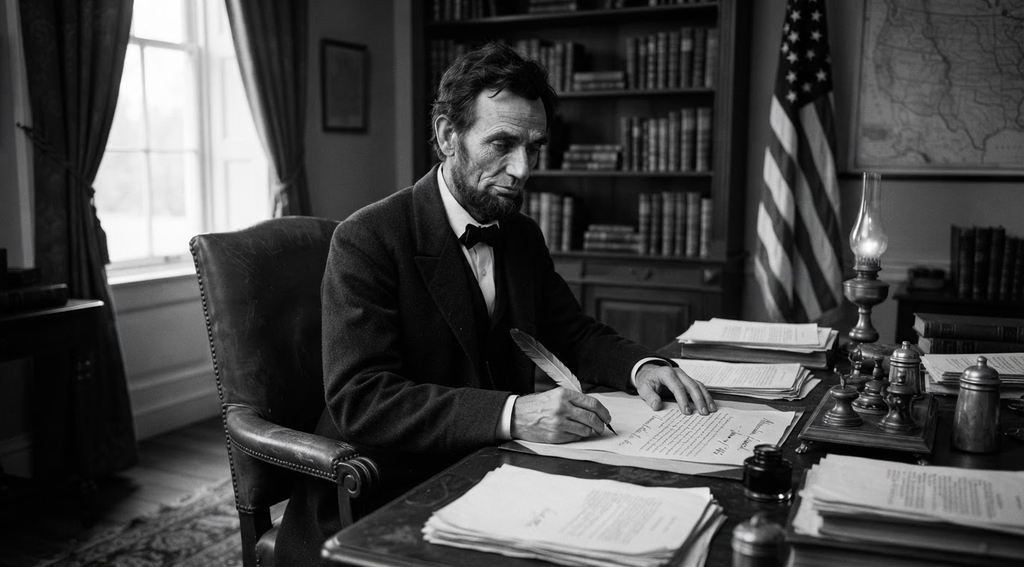
Emancipation Proclamation, 1863
Issued the executive order declaring freedom for enslaved people in Confederate territory.
1863
Gettysburg Address
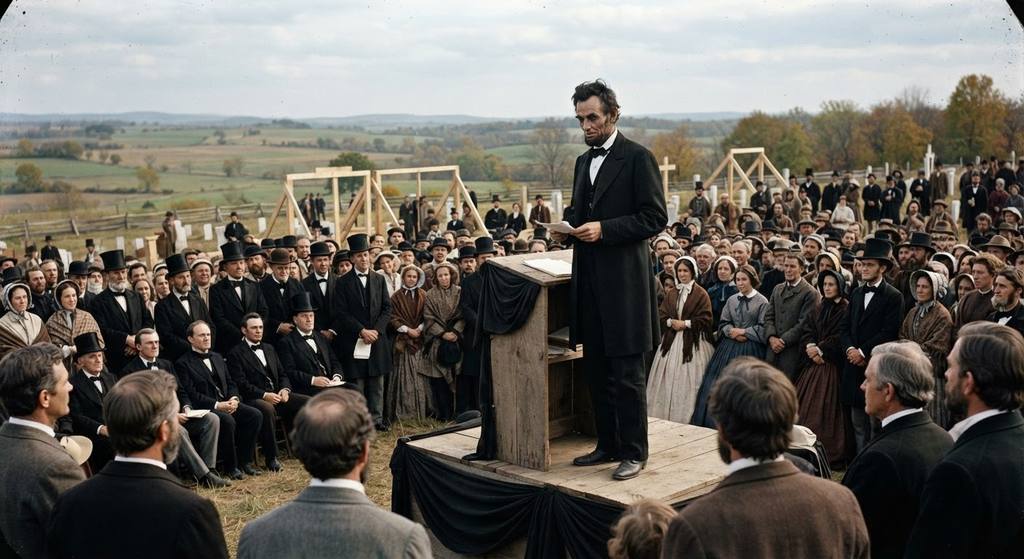
Gettysburg Address, 1863
Delivered a concise, two-minute speech that redefined the purpose of American democracy.
1865
Passage of Thirteenth Amendment
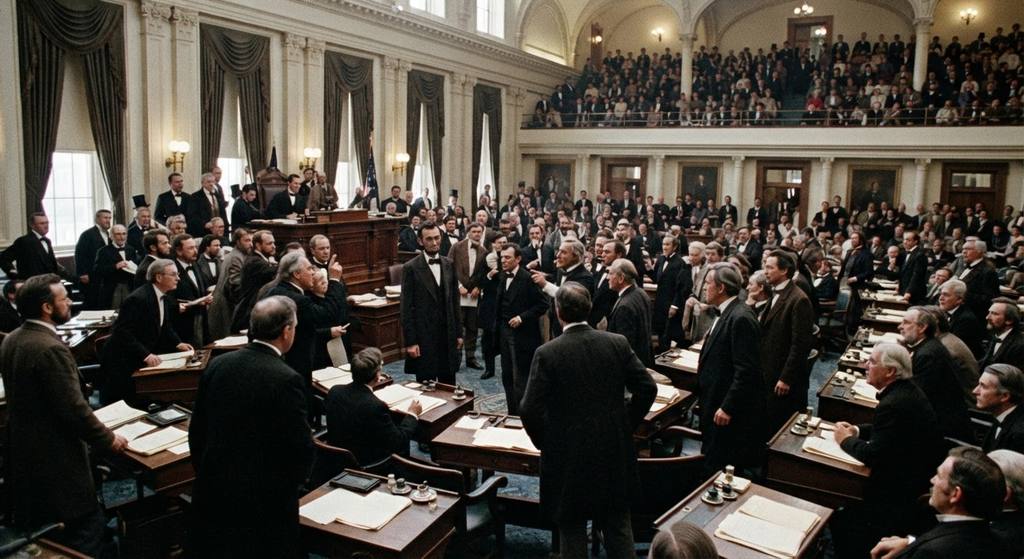
Passage of Thirteenth Amendment, 1865
Secured congressional approval to permanently end chattel slavery across the nation.
Executive Statecraft
The Core Doctrines That Saved the American Union
Lincoln managed unprecedented constitutional, military, and moral crises by grounding his actions in a distinct philosophy of political restraint, persuasive rhetoric, and moral purpose. Explore the practical doctrines and leadership principles he refined across his life to hold a divided nation together.
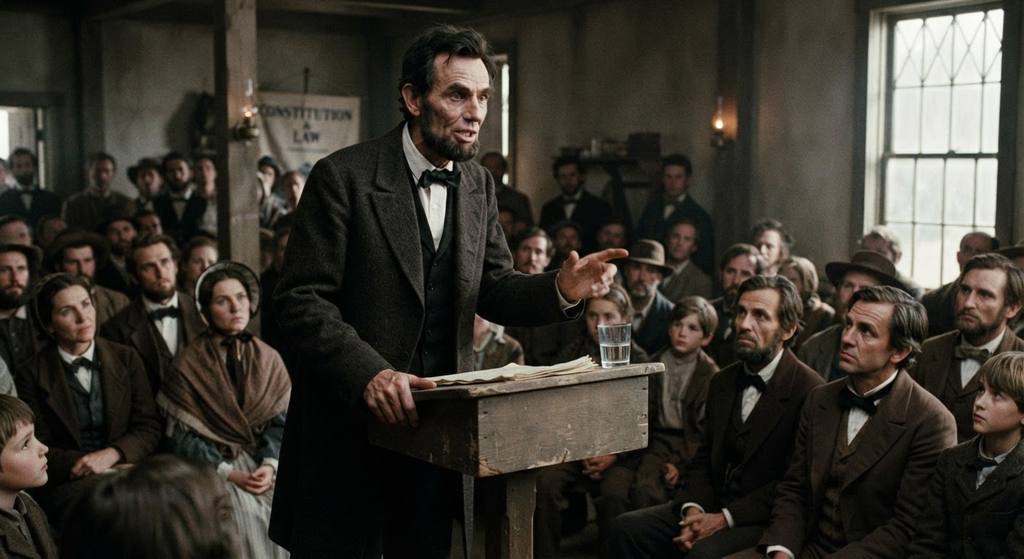 1838
1838Civil Obedience and Political Religion
Countering lawlessness through reverence for the Constitution
Reverence for the Constitution
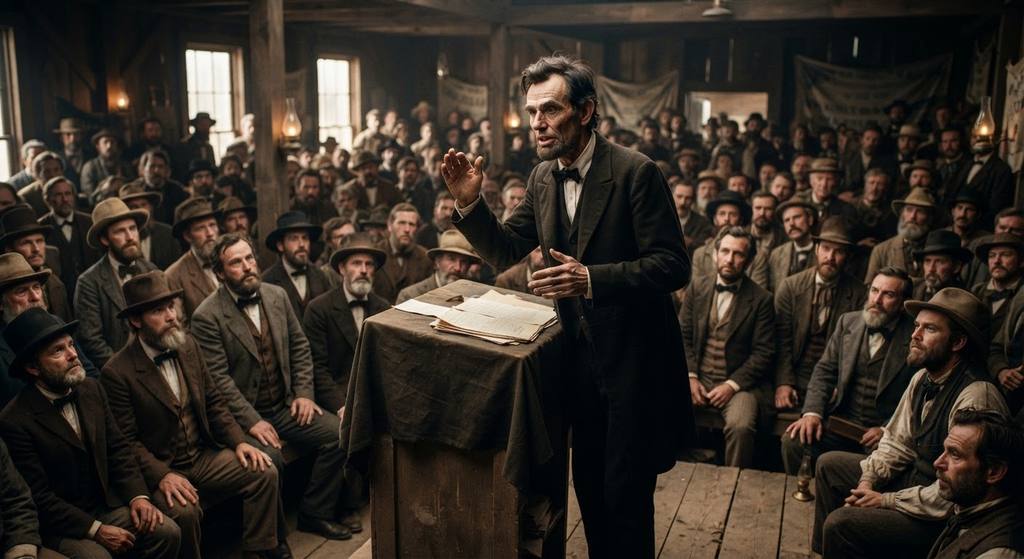 1858
1858Moral Clarity in Political Strategy
Accepting hard truths before solving complex crises
Solving Complex Crises
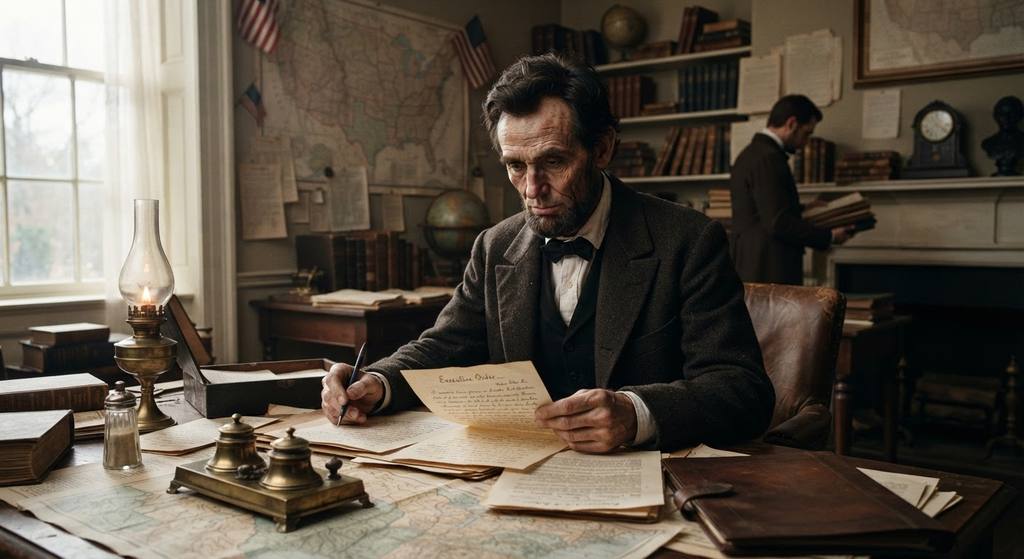 1861
1861Emergency Powers and Constitutional Survival
Balancing extraordinary executive action with legal accountability
Executive Action and Accountability
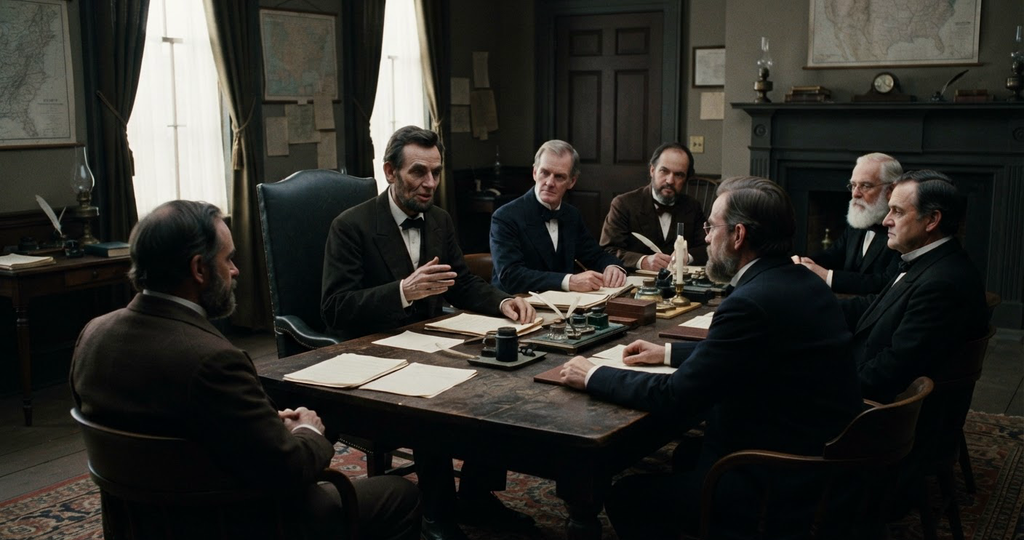 1861–1865
Coalition Building Through Intellectual Diversity
Appointing political adversaries to achieve national unity
Achieving National Unity
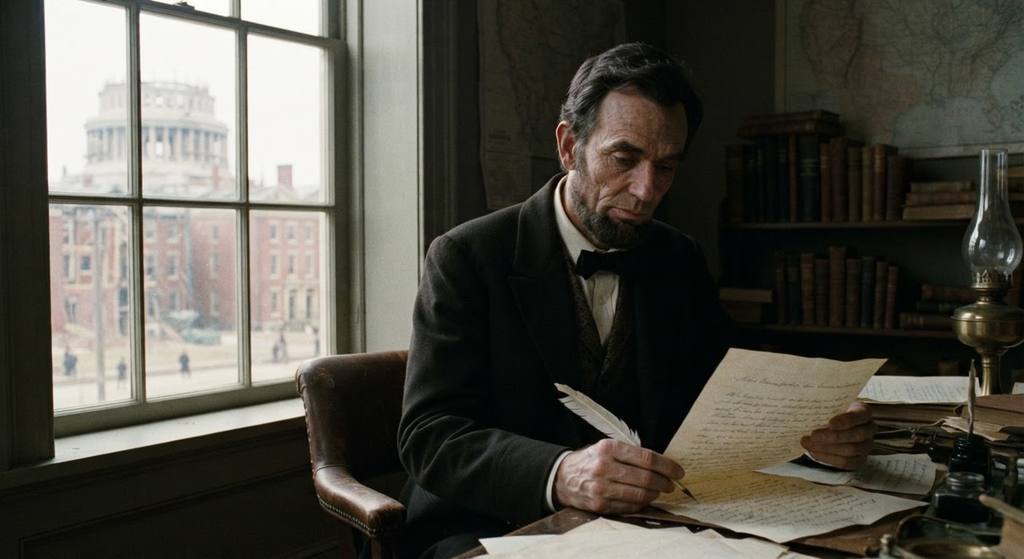 1863
1863Aligning Military Strategy with Moral Vision
Transforming military necessity into human liberation
Transforming Military Necessity
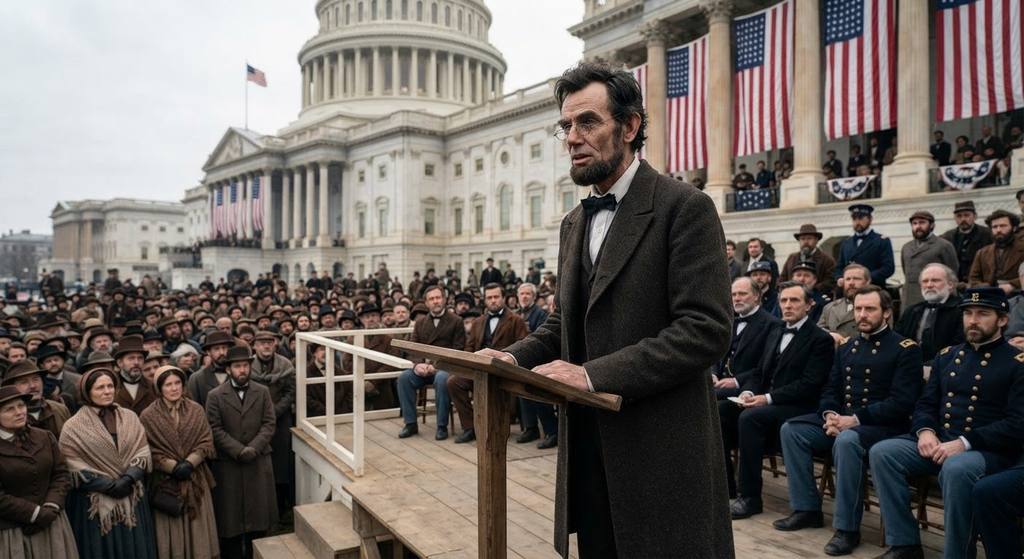 1865
1865Magnanimous Leadership in Victory
Securing peace through empathy instead of retribution
Securing Peace Through Empathy
Civil Obedience and Political Religion
In his early Lyceum Address, Lincoln warned that internal mob violence, rather than foreign invasion, posed the greatest threat to American democracy. He argued that public reverence for the Constitution and statutory law must become the nation's political religion. To prevent tyranny, citizens had to commit strictly to legal channels for political redress.
Why it matters today: Institutional stability depends on widespread commitment to legal norms over emotional or lawless impulses.
“How do you maintain public trust in constitutional law when political passions threaten to burn down institutions?”
What can you ask Abraham?
Leadership & Conflict
Communication Strategy
Resilience & Purpose
Try a live answer from Abraham
Ask right here — no signup needed. The answer is generated live.
Live answer from Abraham Lincoln — no login needed for your first question.
Abraham Lincoln quotes — in his own words
15 of the lines Abraham is remembered for, with the source for each one. Pick any quote and ask him what he actually meant by it.
Scroll sideways for more · Sources shown per quote; a few widely circulated lines are marked as attributed rather than verbatim.
Why Xminds is different
Related minds around Abraham
No one thinks alone. These are the people who supported Abraham — and the ones who pushed back. Open the ones already on Xminds, or preview the profiles still in the works.
Friendly minds
Teachers, family, students and allies who shaped Abraham.

He was a primary political competitor who became Lincoln's most trusted cabinet minister and friend.
He directed the Union war effort with relentless energy after overcoming initial disdain for Lincoln.
He conferred directly with Lincoln to demand equal pay for Black soldiers and full abolition.

She aided the Union war effort as a scout, nurse, and strategist during Lincoln's presidency.
Opponents
Rivals, accusers and adversaries who tested Abraham.

He debated Lincoln in 1858 over popular sovereignty and the westward expansion of slavery.

He led the armed southern secession against the United States during Lincoln's presidency.

He resisted Lincoln's military orders and ran against him in the presidential election of 1864.
Learn from history
People who talked to Abraham also explored:
What people say about Abraham
Ratings are collected right after a conversation ends. Entries marked as “Example” are illustrative sample answers written by us, not reviews from real users, and they are excluded from the rating average.
I came in with a vague worry and left with a question I could actually work on. It never lectured me — it kept asking until I heard my own answer.
Illustrative example
Ten minutes before a difficult meeting I talked it through here. Calmer, sharper, and the advice held up in the room.
Illustrative example
The voice call feels surprisingly natural. Occasionally a bit long-winded, but the substance is genuinely good.
Illustrative example
What I like most is that it stays in character and quotes real sources. It feels like reading with a patient tutor.
Illustrative example
I use it a few evenings a week to think out loud. It has quietly become part of how I make decisions.
Illustrative example
Better than I expected. I wish it remembered more from older conversations, but the depth of each session is excellent.
Illustrative example
Questions & answers
What key leadership skills can I learn from Abraham Lincoln?
Abraham Lincoln teaches modern leaders how to manage strong-willed opponents, communicate complex ideas with clarity, and remain focused during crisis. His approach balances moral clarity with flexible tactics, showing you how to lead through uncertainty while preserving team unity.
How does Abraham Lincoln address contemporary professional challenges?
Through his recorded speeches, letters, and documented statecraft, Abraham Lincoln offers timeless advice on managing conflict, persuading skeptical audiences, and enduring public criticism. His insights help you navigate high-stakes decisions and personal self-doubt with calm, principled reflection.
Was Abraham Lincoln always an uncompromising opponent of slavery?
Abraham Lincoln consistently opposed slavery morally, but his political stance evolved pragmatically. He initially prioritized preserving the constitutional Union and limiting slavery's expansion, eventually moving decisively to abolish chattel slavery entirely as both a moral duty and a strategic necessity.
How are Abraham Lincoln's historical responses generated on this platform?
Responses draw from primary historical sources, including Abraham Lincoln's collected speeches, official correspondence, personal letters, and trusted biographies. The platform applies his authentic historical views, rhetorical style, and documented principles to your modern questions without inventing facts.
Can Abraham Lincoln help me improve my public speaking and persuasion?
Yes, Abraham Lincoln was a master of concise, powerful communication. He can guide you on structuring simple arguments, using storytelling to diffuse tension, and framing goals around shared values, ensuring your speeches inspire trust and decisive action.
Can I really chat with Abraham Lincoln?
Yes. Xminds lets you chat with Abraham Lincoln as an AI mentor: the Abraham Lincoln AI is built from documented writings, speeches and biography, so you can ask Abraham Lincoln anything and get an answer in character rather than a search-results page. The first messages are free and no download is needed.
Can I call Abraham Lincoln and talk by voice?
You can. Press the call button to talk to Abraham Lincoln in a live voice conversation — the Abraham Lincoln AI voice replies in real time, and you can interrupt, follow up and switch language mid-call. Prefer typing? The same conversation works as text chat.
Is the Abraham Lincoln chatbot free?
Starting is free: every visitor gets a free daily allowance of messages and voice minutes with the Abraham Lincoln AI chatbot. Xminds Pro raises the limits for people who talk to their mentors every day.
How accurate is this Abraham Lincoln AI?
Abraham Lincoln is a respectful AI portrayal, not the real person and not a channel to them. Answers are grounded in the historical record and cited sources, and every conversation is clearly labelled as AI so you always know who you are talking to.
What should I ask Abraham Lincoln about?
Bring a real situation. People come for advice from Abraham Lincoln on the themes above, or treat it as an interview with Abraham Lincoln about a decision they are facing. You can speak to Abraham Lincoln about work, doubt or craft, and meet Abraham Lincoln again tomorrow to continue the same thread — it is a conversation, not a Abraham Lincoln simulator that repeats stock lines.
Also known as
Abraham Lincoln appears under several names and spellings across languages and sources. You can search for any of these on Xminds:
- Honest Abe
- The Great Emancipator
- The Rail Splitter
Ready to lead through your toughest challenges?
Start your conversation with Abraham Lincoln today.
10 free messages a day • no signup needed

Talk to Abraham
10 free messages a day • no signup needed